
Memories can either be a Polaroid picture that yellows and fades over time or feel as real as the day you experienced it. One of the most painful feelings is growing older and discovering that the stories you grew up with are incomplete – perhaps colored by a lack of understanding in that present moment. In Sophy Romvari’s beautifully moving film, “Blue Heron,” she uses the power of storytelling to unearth parts of her past about a family member she had not been able to grasp as a younger person.
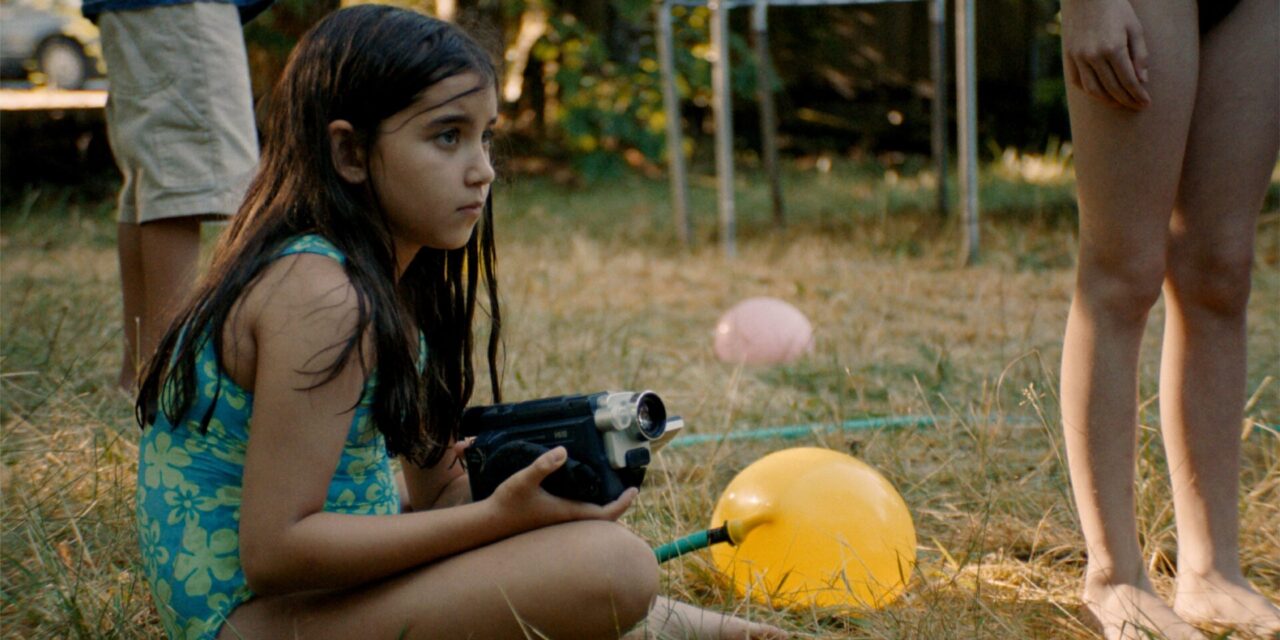
Romvari’s semi-autobiographical film uses the specific cadence of remembrance, specificity, and vivid recounting to its advantage. The film’s initial vantage point comes from an eight-year-old named Sasha (Eylul Guven), whose family moved to Vancouver City in the 1990s. There are spaces in her day that are like any typical kid’s in the summer. Sasha plays hide-and-seek with her friends, eats Fruit Loops with her three brothers in the morning, fills up water balloons, and runs through sprinklers.
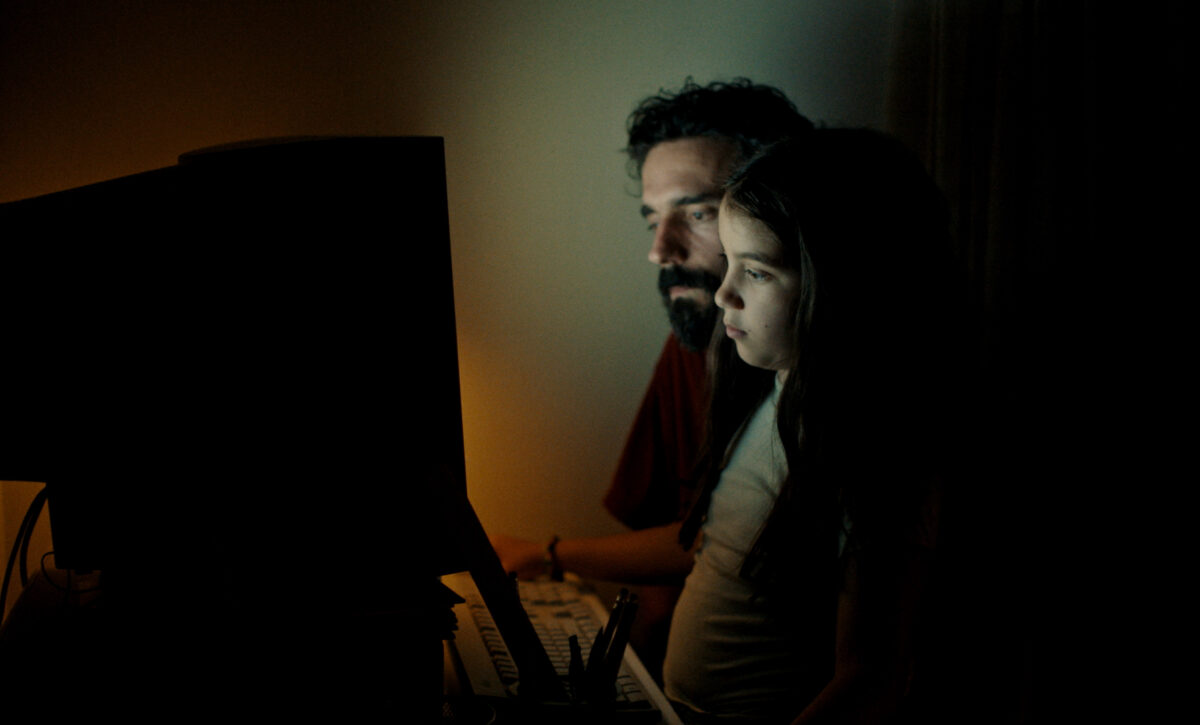
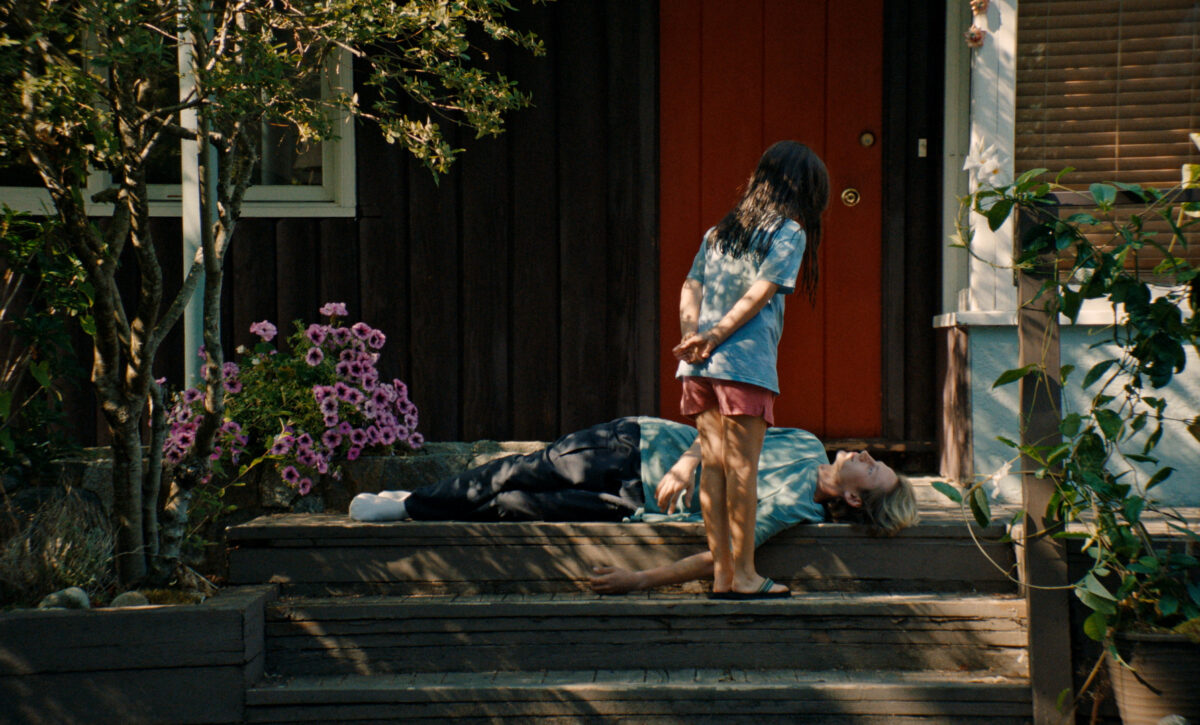
But there’s a family dynamic that is increasingly growing uneasy as the days go by. The oldest of her three brothers, Jeremy (Edik Beddoes), is becoming distant and emotionally despondent by the day. One day, it’s stealing a small keychain from a local museum. The spaces of erratic behavior lead to Jeremy being arrested by the police for shoplifting, walking on the roof, cutting his hand while punching a window, and even walking off by himself during a family trip to the beach. Sasha’s mother and father (played by Iringó Réti and Ádám Tompa) aren’t really sure what to do, and seeking answers from a child psychologist yields little fruit.
What they do is try to meet Jeremy’s condition with love and care, even as their patience starts to wane. Sarah is framed as a silent onlooker, but writer/director Sophy Romvari uses conversation confidently to convey her feelings about her brother. When Sasha asks if a friend can come over, her mother tells her she thinks it’s not a great idea, considering the volatile situation with Jeremy, and hints that her young daughter may get embarrassed. Quickly, Sasha replies that she isn’t. Amid the adults’ apprehension about the neighborhood witnessing their older son’s behavior, Sasha meets the current moment with a non-judgmental curiosity.
Next to the family dynamic, “Blue Heron” professes a love of documentation for memory preservation. Sasha’s father often takes out his film camera to photograph the family at certain moments. He also places a camcorder in his only daughter’s hand, an artistic tool that will prove essential to the film’s time jump. An adult Sasha (Amy Zimmer) is not a filmmaker, and the narrative takes on a metatextual quality as she begins making a film to develop the fullest possible portrait of Jeremy. Romvari’s 2020 documentary, “Still Processing,” shows the writer/director going through old photographs and videos of her deceased brothers to help process grief. The film moves in the same way, using different visual media and styles to aid Sasha’s quest to get closer to the brother she didn’t know.
In discussions with a former caseworker, a story is unearthed, leading the audience to believe that Jeremy’s condition may have set him on a course to commit a dangerous act. It’s juxtaposed with black-and-white photos of Jeremy, young Sasha, their two brothers, and snapshots of happier, quieter moments. Photographs encase the personalities and individual strokes that memory often becomes grainy on. At the beginning of “Blue Heron,” adult Sasha says, “It’s true I spent most of my life being angry at him. The older I get, the more I feel like I never even knew him at all.”
Romvari’s last masterclass bit of storytelling sees the past and present collide as Sasha’s present self ingradiates with her past. It’s there where the moral of this story takes a final bow – family is complicated, and love and anger can both operate inside of it. “Blue Heron” is a story of the in-between – the parents who try everything and don’t get things quite right, the eldest son fighting through a war inside himself, and the younger sister trying to make sense of her sadness in the process of making personal art. The precious and sobering conclusion in Romvari’s debut is that, even with all our tools of preservation, answers still elude us like passing scents in a cool breeze. Yet, we can still appreciate the moments for what they are.