
The New Architecture of Risk
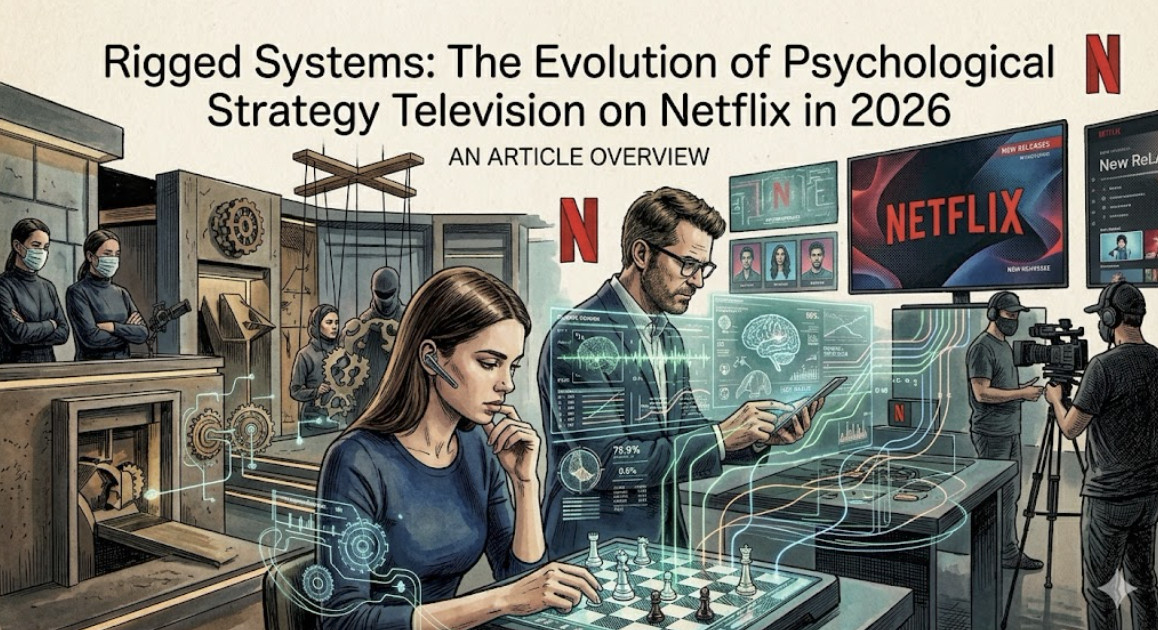
The television landscape in 2026 reflects a sharp, jagged turn. Viewers no longer want the glamour of the old guard. They reject tuxedos and martinis. The romanticized high roller myth died a decade ago. Today, the audience craves the cold, hard math of survival. Netflix leads this charge. Netflix built a lineup of shows that rip the mask off the fair-play myth. Viewers get to watch human brains snap under pressure. It is brutal. We are no longer watching games of chance. We are watching systems break people.
The house changed its shape. It is no longer a physical casino. It is a social structure. It is a classroom.
The Math of Desperation
Modern gambling television relies on harsh probability over blind luck. Characters in these shows treat risk like a hard science. They analyze expected value. They calculate the weight of every move. Shows like Bet and the source material Kakegurui do not hide this math. They broadcast it loudly. The tension comes straight from the numbers. You watch a character calculate the odds of absolute ruin against the odds of control.
This approach demands active work from the viewer. You cannot sit back on the couch. You have to think. The series exploits behavioral economics aggressively. They lean hard into loss aversion principles. Humans feel the pain of losing much more than the joy of winning. That pain is the engine of these stories.
The mechanics feel real because they reflect how an actual mathematical advantage works. Real strategy always matters. If the show’s intense focus on mathematical precision has you wanting to brush up on your own card strategy, practicing standard hit-and-stand charts at DraftKings blackjack is a grounded, legal way to see if your decision-making can hold up against a structural edge. The game remains the game. The table just looks different.
The School of Broken Debts
Netflix dropped Bet in 2025. Hardcore fans of the original Kakegurui source material went nuclear immediately. Purists hated the project before a single frame even aired.
The suits moved the plot from Tokyo to an elite Western boarding school. Core fans saw a cheap money grab. Haters review-bombed the teaser trailer with a hundred thousand dislikes. The internet bled anger. Netflix did not care. They renewed the show weeks before it even premiered. They knew the internal metrics. They knew the audience would click play.
The narrative at St. Dominic’s Prep mirrors the original but feels significantly colder. The social hierarchy runs entirely on a gambling leaderboard. Losers become literal property. The “house pet” system turns elite students into physical footstools. It is a harsh mirror for modern debt bondage. The show forces you to ask a terrible question. How much of your dignity is worth a bet?
The Spatial Cage
Some stories do not need a fancy casino to highlight the stakes. The 8 Show proves that location is everything. The premise is simple. Eight people. One building. Money for time.
A brutalist concrete tower sits in isolation. Eight levels exist. Survival shows like this turn modern economic nightmares into a blood sport. The house rigs the rules from day one. You either learn the math faster than the dealer, or you drown.
The trick is the math of the floors. The top floor makes exponentially more money than the bottom floor. It is a violent simulation of generational wealth. The building has no basics. Do you need water or food? You pay. Prices are inflated to a thousand times the real-world value. The show turns into a pressure cooker. The inhabitants of the top floors act like untouchable gods. They squeeze the lower floors until the social contract snaps. It is not just about the cash. It is about physical power. The structure of the building forces the characters to become sociopaths. They have no choice. The game demands blood.
Squid Game operates on the exact same logic but raises the physical cost. It is the gold standard of the genre. The second season changes the entire board. Seong Gi-hun refuses to take his money and hides in the shadows. He walks right back into the fire. He acts as an inside operative now. The series moves from a survival horror to a tight spy thriller. The stakes remain biological death. The strategy just evolves. It is now a war of attrition against a shadow organization. It captures the modern feeling of being trapped in a system that wants you erased.
The Prestige Pivot
Netflix knows they need more than just dystopian horror. They need prestige. The Roman is their answer. It brings the genre back to the roots of the Vegas casino. It brings a sharp, modern edge. It sheds the survival games entirely. It leans hard into corporate warfare.
Martin Scorsese is executive producing. That tells you everything. The man defined the aesthetic of the casino drama with his earlier films. Now, he applies that legendary eye to the modern boardroom. Billions creators Brian Koppelman and David Levien hold the pen. They know corporate bloodlust. They know how to write power dynamics.
The story focuses on Bobby Red. He is a casino president fighting to hold his ground against tech-bros. It is about corporate hegemony. It is about legacy. The gambling happens in the executive suite now. The stakes are billion-dollar empires. It provides a grounded, realistic anchor to a genre obsessed with death arenas. It proves that the boardroom can be just as lethal.
The View From the Top Floor
We are obsessed with the house. Why? Because in 2026, the house feels completely invincible. These shows are not just passive entertainment. They are mirrors.
The rules only protect the guys who own the building. Nobody cares about the slick James Bond casino aesthetic right now. The audience wants raw survival economics instead. We want to see the person who understands the cold math. We want to see the person who survives the rigged system.
Producers know this fact. They build the sets. They create the traps. Execs realize the real world feels entirely random right now. People watch these shows to figure out the cheat codes for a rigged system. You cannot beat the house by playing fair. You have to break the table.