
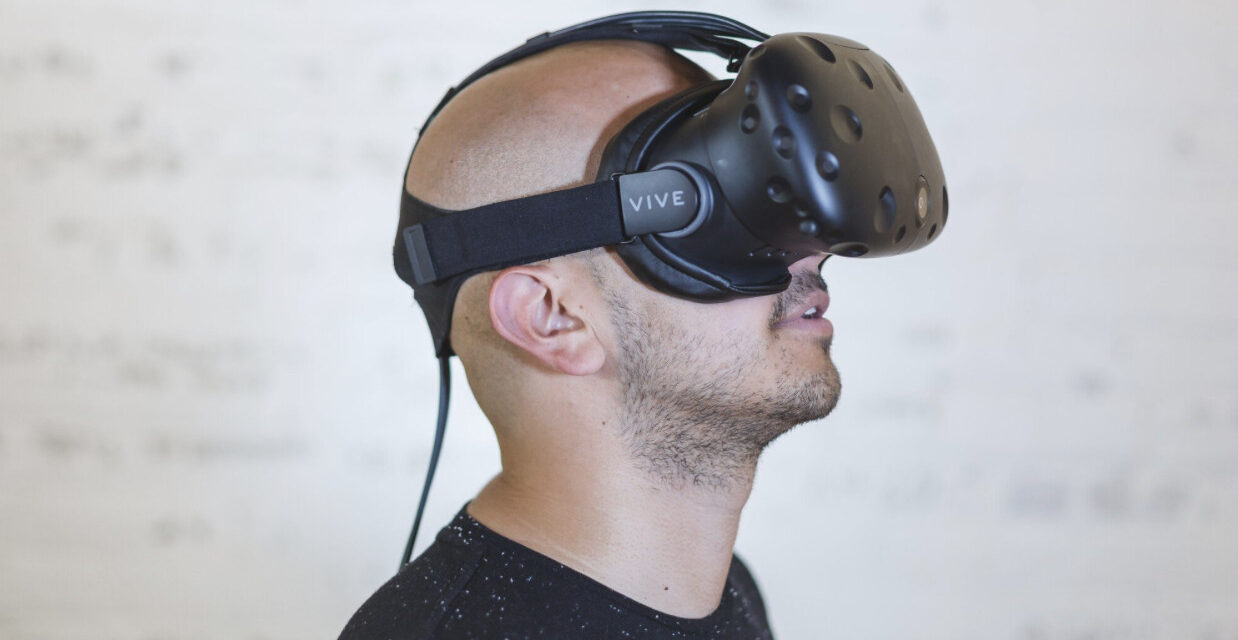
Attending a concert used to mean standing in long lines and fighting crowded parking lots. Music lovers spent hundreds of dollars just to glimpse a performer from distant balcony seats. Now, new hardware has changed the way people experience live audio.
Listeners can step onto digital stages with their favorite bands without leaving their homes. Virtual reality platforms recreate the energy of massive stadium performances using advanced imaging systems. The change provides an alternate path for live entertainment.
The Virtual Shift In Live Entertainment
Live entertainment is changing faster than ever. Many fans now explore online platforms like Soundscape Universe to experience shows from their own homes. Digital venues grant access to crowds who cannot travel to physical stadium tours.
Physical venues may limit attendance owing to strict building codes and fire safety regulations. Virtual spaces remove these boundaries by hosting millions of spectators at the same time. Artists can perform a single set that reaches a global audience in real time.
Fans can customize their viewing experiences by switching camera angles during a song. Some viewers prefer front row perspectives right next to the microphone stand. Other participants choose a wider view to see the complete stage production.
Massive Growth In Immersive Media
Heavy investments from tech companies speed up the development of high-resolution headsets. Industry data highlights a massive upward trajectory for these types of entertainment properties. An industry analysis publication projects the music and concerts sector to grow at a compound annual growth rate of over 30% from 2026 to 2033. Rising consumer demand for interactive media drives the rapid financial expansion.
Traditional tour models come with massive budgets for shipping physical gear across oceans. Virtual alternatives lower transportation overhead and eliminate local venue rental fees. Musicians retain a higher percentage of ticket sales by utilizing digital distribution methods.
Better Attendance For Festival Planners
Event coordinators face rising insurance costs and unpredictable weather patterns during outdoor gatherings. Muddy fields and lightning storms can cancel shows instantly. Virtual staging removes the risk of weather disruptions entirely.
Organizers find that digital options attract audiences who normally skip crowded festivals. A prominent festival coordinator achieved a 50% increase in ticketed attendance after deploying virtual concert options. The metrics prove that online options expand the entire consumer base.
People who live in remote regions can buy cheaper virtual passes instead of expensive plane tickets. The setup lets fans from different continents watch the same festival together. Planners maximize their revenue streams without having to increase security personnel on the ground.
Boosting Audience Participation
Static video streams fail to capture the community feeling of real concert venues. Virtual reality introduces animated avatars so that fans can dance together and greet strangers in the crowd.
Interactive elements keep spectators focused on the performance. Live event metrics tracked a 30% surge in spectator engagement during mixed reality events compared to traditional staging.
Musicians can track real-time crowd feedback through visual indicators on their own displays. A performer sees thousands of digital lights flash when the audience enjoys a specific lyric. The connection changes how artists structure their setlists mid-performance.
Breaking Down Geographic Boundaries
The physical world limits how many people can gather in one location. A stadium in London cannot host a fan living in Tokyo without a long flight. Virtual spaces dissolve these geographic limitations and unite global communities in a single server.
Accessible Concert Experiences
Accessibility is the primary hurdle for many music enthusiasts who have physical disabilities or chronic illnesses. Crowded stadiums present navigation challenges that prevent people from enjoying live bands. Digital staging offers a comfortable solution for every individual.
- Fans watch the show from a safe home environment
- Users adjust sound levels to protect sensitive hearing
- Viewers avoid long walks from parking garages
The custom adjustments let everyone participate. Friends spread across different time zones can gather in a private digital lobby before the opening act. The shared space makes distance completely irrelevant for modern music fans.
The Future Of Interactive Sound
Traditional headphones deliver sound in simple left and right channels. New developments use directional audio processing to replicate real room acoustics. The software tracks head movements to shift the audio direction in real time. If a listener turns away from the virtual stage, the band sounds like they are performing behind the user.
Instrument separation becomes much cleaner in a simulated digital environment. Sound mixers can position specific instruments in distinct locations around the listener. A guitar solo floats above the crowd, and the bass guitar thumps directly below.

Technology will continue to advance and bring performers closer to their global audiences. The line between physical gatherings and online events grows thinner each year. Music fans no longer face boundaries like expensive travel or sold-out local stadiums.
Virtual spaces provide a seat for every single listener on the planet. The evolution of digital audio guarantees that the next generation of concerts will happen anywhere a headset can connect.