The best gambling shows know the wager is rarely about money alone. It is pride, panic, class, fraud and appetite wearing a clean shirt. A good gambling story starts with a number, then asks what a person becomes when the outcome is no longer under control. That is why the genre keeps returning to television: every bet is also a confession.
Luck and the poetry of the track
HBO’s Luck remains one of television’s purest portraits of horse-racing risk, even with its brief run. David Milch and Michael Mann gave the racetrack a haunted glamour: trainers whispering in barns, owners bluffing destiny, jockeys carrying fear in their shoulders, gamblers staring at the tote board. The show understands racing because it treats the track as a living organism. Every bet carries gossip, injury reports, bloodlines, weather and old grudges.
The sadness is part of its force. Luck was cancelled in 2012 after horse deaths during production, a real-world event that now shadows the series. The track is beautiful and brutal. Milch knew both facts could occupy the same frame.
Boardwalk Empire and the casino before the casino
Boardwalk Empire is a gambling-culture origin story dressed in Prohibition silk. Atlantic City becomes a machine for appetite: alcohol, boxing, numbers games, political fixes and public respectability bought with dirty cash. Nucky Thompson does not need neon or slot floors to understand the house edge. He is the house.
The show’s great insight is that gambling culture has always depended on infrastructure. Someone supplies the room. Someone protects the room. Someone settles the debt. Someone pretends the arrangement is civic improvement. Boardwalk Empire still bites because it shows the old bones beneath polished entertainment economies.
The Sopranos and the cost of being unlucky
The Sopranos used gambling with surgical cruelty. David Chase never treated it as colorful background. Poker games, sports books, executive games, loans and debt collections were pressure tests. The characters did not only lose money; they lost status, patience and self-deception.
The scenes work because they are small before they become violent. A missed payment. A bad run. A friendly conversation that stops being friendly. Tony Soprano’s world turns risk into social currency with humiliation as interest. The real wager is whether a man can lose without making everyone else pay.
The second screen changed the old ritual
Modern viewers understand gambling stories differently because betting no longer belongs only to smoky rooms, casino floors or trackside windows. Live sport now arrives with push alerts, injury updates, expected-goals models, player props and markets that move while the game breathes. A viewer testing a new betting app is participating in a data-led version of the old ritual rather than stepping outside the culture these shows examine. The healthier approach is procedural: check the event, define the stake, understand the odds and avoid chasing after a red card or late wicket changes the emotional temperature. The drama stays on screen; the bankroll needs colder hands.
Ozark and the casino as laundering theater
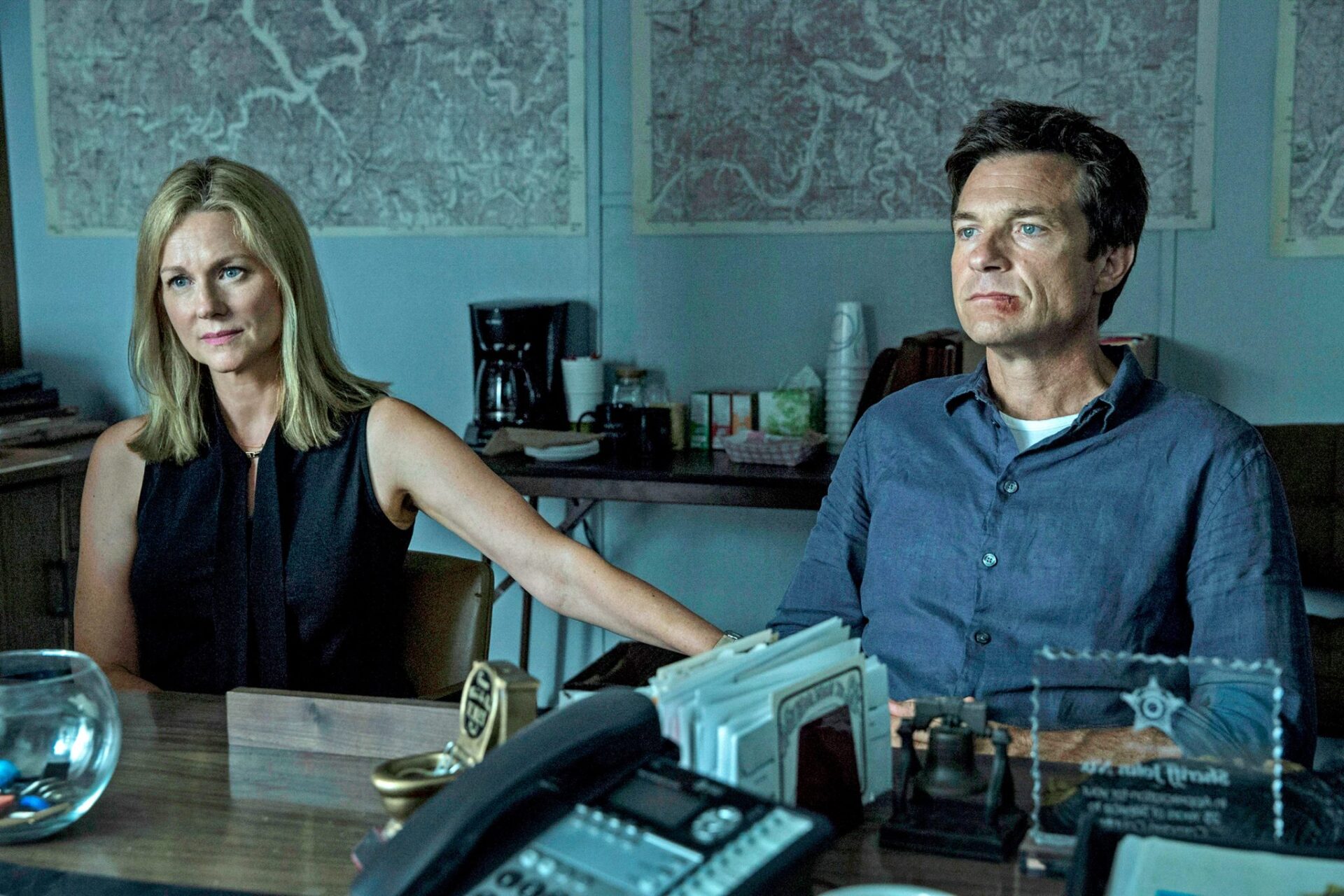
Netflix’s Ozark understands the casino as a stage. Marty Byrde does not see gambling primarily as entertainment; he sees volume, paperwork, cash flow and human weakness. The Missouri Belle plotline works because a casino can look lawful while still carrying the smell of panic beneath the carpet. That is the show’s ugly little genius.
The dice, cards and chips are not the point. They are noise around accounting. Ozark strips the romance out of gambling culture and replaces it with fluorescent dread. The result feels less glamorous than most casino fiction and far more modern.
Peaky Blinders and the bookmaker’s bloodline
Peaky Blinders built its early power on bookmaking, horses and territorial control. The Shelby family’s rise begins in a world where betting slips, intimidation and street reputation belong to the same business model. Tommy Shelby does not simply take bets. He reads men. He watches what they fear, what they owe and how badly they need to win.
That is why the gambling material lands harder than the show’s later mythology. A race could shift power on a street. A fixed result could open a door. A debt could make a man useful or dead. The bookmaking shop is not scenery; it is the family’s first engine.
Billions and gambling without a casino
Billions belongs on this list because it treats financial markets as legalized risk theater. The traders wear better suits than track gamblers, but the emotional machinery is familiar. Conviction becomes obsession. Losses demand revenge. A short position can feel suspiciously close to doubling down after midnight.
The show is sharpest when it admits that elite risk-takers often use strategy language to disguise appetite. Models matter, yes. So does information. But the body still reacts: pulse rising, voice tightening, ego refusing to fold. Money changes the room, not the impulse.
Apps made risk quieter, not smaller
The most accurate modern gambling drama may be the one happening silently in a viewer’s hand. Betting no longer needs a public counter, and that changes the mood. For users following live markets, cricket odds, football props and account history during short sessions, the MelBet app can make sportsbook access faster without turning betting into a public performance. The useful feature is control, not noise: clear navigation, fast event discovery, visible odds movement and simple records of open and settled bets. Good viewing habits and good betting habits share one rule. The pause matters.
The strongest TV gambling stories are not instructional manuals. They are X-rays. Luck sees the religion of the racetrack. Boardwalk Empire sees the machine behind the room. The Sopranos sees shame. Ozark sees accounting. Peaky Blinders sees power. Billions sees appetite dressed as intelligence. Together, they explain why the bet keeps returning to television. A human being wants the future to obey.