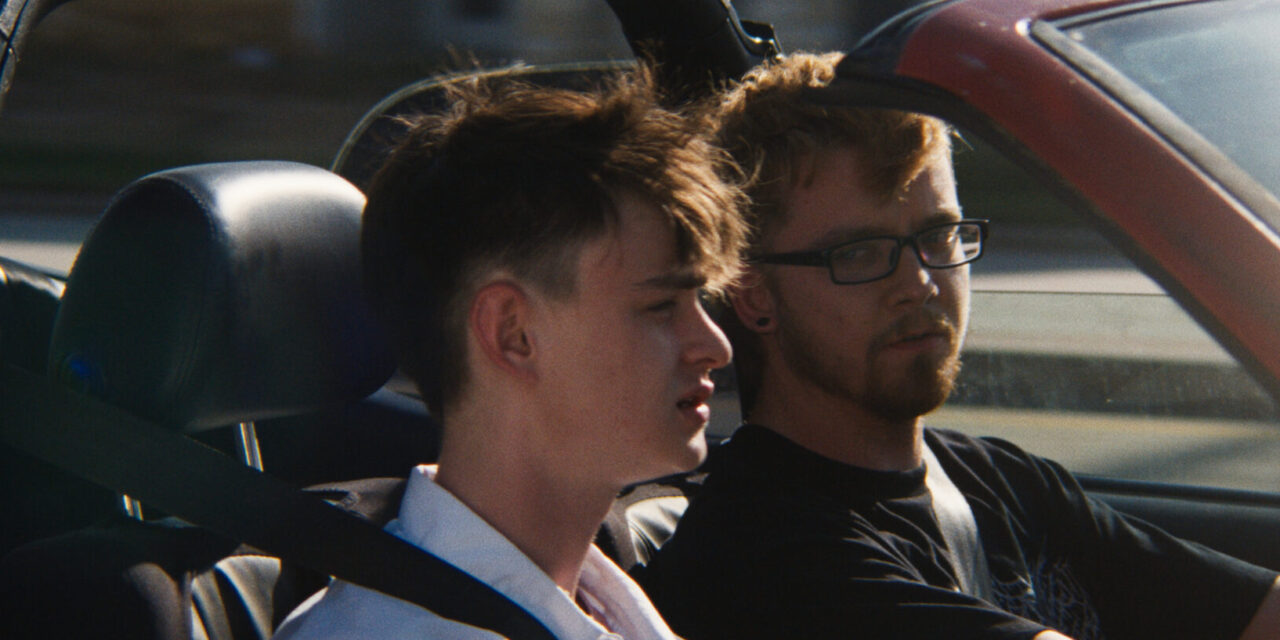
Gun culture, social media connection (or the illusion of), class warfare, a dark-comedy subversion of the buddy story, and touches of do-good nature for optics and the entrapment of incel-related thought processes. Each of these themes could command a separate two-hour narrative within its own right, but director/co-writer Oscar Boyson put them together in his directorial feature debut, “Our Hero, Balthazar.”
This film, co-written with Ricky Camilleri, understood that the landscape for young people was growing dire when they began writing in 2022. Four years later, “Our Hero, Balthazar” comes out at a time when the promises of the American dream have never been so alien to obtain. Active shooter drills are normalized in schools because we’ve collectively thrown our hands up in the air on how to solve the problem. Discontent within young men has given rise to “the manosphere,” and the insulation of online communities and currency has only given rise to isolation, loneliness, and violence. At the center of it all is the realization that the widening wealth gap has created a barrier to solidarity.
So what are two teenage boys on opposite sides of the poverty line to do? Balthazar (Jaeden Martell) is a rich kid living in New York with a weird obsession with crying on command for social media sympathy likes. His mother (Jennifer Ehle), a wealthy socialite, doesn’t really have much time for him, and the men in his life, a life coach (Noah Centineo) and his father, either have surface-level interactions with him or ignore him completely. In that gap, Balthazar has a growing fascination with school shootings under the guise of trying to get closer to his activist crush.
When an incredibly cringeworthy situation happens, he decides to hatch a scheme involving Solomon (Asa Butterfield), a southern teen with girl and daddy issues of his own, along with a persona he is, in fact, considering carrying out a shooting. On the surface, it’s easy to look at characters like Balthazar and Solomon with disdain and disgust, but Boyson’s film asks you to look more deeply. “Our Hero, Balthazar,” asks you to consider why the contradictions exist and the climate in which the characters inside this story feel like they have no choice but to indulge themselves in.
Substream Magazine: I first saw “Our Hero, Balthazar” at the Tribeca Festival in 2025, and at the time, we were already deep into conversations about gun culture tragedies and schools. The incel aspects were newer, but rising to the surface. Watching this film a second time, a year later, it feels like a satirical warning, given the results of the 2024 Presidential election and how social media served as a conduit for certain things to manifest in the mainstream. Do you see this film in a different light from the time you worked on it to the date of release?
Oscar Boyson: For me, when you get into this myopic tunnel-vision place of putting the movie together, I can’t really think about anything outside it. If I do, I might talk myself into not making the movie. But there were moments when you take a step back, and you’re like, “Geez, yeah, I get it why people say it is a gamble to make something about the here and now.”
We wrote this in 2022 during the Biden administration. We shot the film and started to share it. [The film] was done before Trump was elected, but it was released after that. It’s entertaining. It’s hilarious. It’s also very tragic and angry. It’s been interesting to think about the public and their appetite for this kind of movie. I feel like the best part of watching it with different audiences in different places over the last year has been that we designed it so the journey you go on with these characters isn’t like an Instagram-in-the-screen move or something that dates the technology. Based on the responses we’ve been getting, those things are fairly timeless, and that’s what people keep connecting with.

Our Hero, Balthazar / Photo Credit: Tribeca Festival
Balthazar and Solomon’s “friendship” is rooted in complications, to say the least. In some parts, it’s genuine, and in others, it’s parasitic. But there’s something to be said about the nuance in how you view them both. At times, I found myself getting angry at Balthazar and his antics. Other points: I feel sorry for him (as with Solomon) because he is unable to see how alike he and Solomon are, despite their different backgrounds. The class dynamics of the characters seem to be the heart of the discontent.
Oscar Boyson: Talking about class was really important. I think we were both suspicious of the way that class has worked its way into movie and television narratives lately — especially projects that fetishize the rich or indulge in eat-the-rich satire. There’s no teeth to it, because you never see the other side, you know? It feels like a bunch of rich people saying, “Aren’t we funny?”
During the writing process, we really wanted to trick the audience at the beginning into thinking, “Oh, maybe it’s one of those movies where we’re making fun of rich people.” Then we go and hang out with Solomon, the film is daring you to laugh at his world. We don’t get many representations of lower-class folks in movies and pop culture today that don’t come with some super-dramatic, super-serious message. They tend to be heavy-handed and slam judgment on the characters. That makes it a less emotional experience and more one where you’re made to feel like you’re eating your vegetables.
Once I started directing the actors, I realized how complicated the characters were, and they were right there with me to get it. We honed it even more in the editing. It’s also what makes it so fun. You can present these characters as one thing, and as you start to peel back more layers, you see that there’s something else going on.
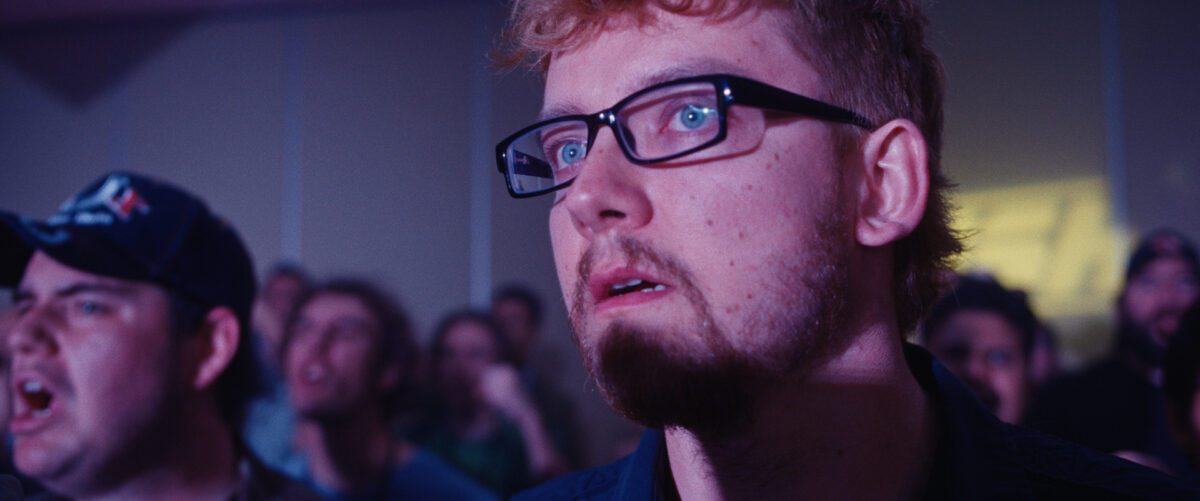
Our Hero, Balthazar / Photo Credit: Tribeca Festival
You said you love both Balthazar and Solomon and don’t judge them. Despite being at opposite ends of the class spectrum, they both face similar struggles. Balthazar and Solomon don’t know how to talk to girls they like and have absent fathers. The great tragedy is that they see it and briefly form a friendship, but Balthazar almost snaps out of it. The class disparity between them feels like a permanent impediment to connection.
There will be many interpretations of what these two characters personify, but what do you ultimately want the audience to take away from this film?
Oscar Boyson: Something I hope people take away from it is that even if you are as wealthy as Balthazar or as lacking in foundational security as Solomon, the future looks just as grim. The lack of opportunity is just as easy to get disillusioned by, whether you’re a rich kid or a poor one. The adults in their lives are ripping them off and they are low priorities when it comes to money.
The shooting aspect and the violence are metaphors that they’re both trying to find their identities through. Because the lack of prospects is so discouraging, these media events of violence are the thing that you’re looking to find your role in. It’s like wanting to be an influencer and trying to rack up good metrics on these social media platforms, where everything is quantified.
I hope that people do get angry about how shitty things look for both of them and about why we’re expecting them to do any better when we’re dealing them these cards. I feel for these kids who have a sort of idealism or a feeling they could change things, but go up against the lobbies in these countries, and it’s enough to drive you insane.
The following interview has been edited and condensed for clarity and length.

‘Our Hero, Balthazar’ Exacts It’s Incel and Gun Culture Satire With Sincerity