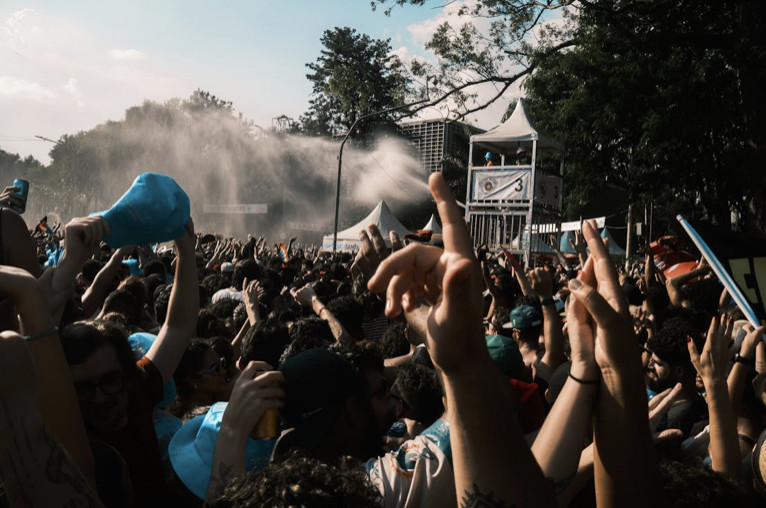
Cannabis and music have been creative partners since long before anyone thought legalization was possible. From jazz clubs in the 1930s to reggae, hip-hop, and indie rock, the plant has been part of the creative process and fan experience across nearly every genre.
What changed is the legal framework around it. Now that Canada has fully legalized recreational cannabis and many U.S. states have followed, dispensaries like Cheap Cannabis serve a community that treats the plant as openly as any other legal product. For the music industry, this shift has opened new revenue streams, changed touring logistics, and removed a creative stigma that limited artists for decades.
Why Did Cannabis Become Such a Big Part of Music Culture?
The connection is rooted in creativity and community. Cannabis slows perception in ways that musicians describe as making them more attentive to texture, rhythm, and melodic nuance. Whether or not that effect is universal, the belief in it has fueled a relationship between artists and the plant that spans nearly a century.
Fan culture reinforced the connection. Concert environments, festival grounds, and listening sessions became spaces where cannabis consumption was a shared experience. The music provided the soundtrack. The cannabis provided a shift in how that soundtrack was received.
According to Pollstar, the live music industry generated over $35 billion globally in 2024, with fan experience becoming the central value proposition. Cannabis, in legal markets, has become part of that experience the same way craft beer gardens and food vendors have: as an expected amenity rather than a transgression.
How Has Legalization Changed Live Music Events?
Legal cannabis markets have forced venues and festival organizers to update their policies. Here is how the live music landscape has adapted.
- Cannabis consumption areas at festivals are now standard in legal markets. Designated zones with age verification allow attendees to consume without disrupting non-consuming guests.
- Venue policies have shifted from zero-tolerance to regulated tolerance. Many venues in Canada and legal U.S. states permit consumption in outdoor areas while maintaining restrictions indoors.
- Cannabis brand sponsorships at music festivals have become common. Brands sponsor stages, lounges, and VIP areas the same way alcohol companies have for decades.
- Artists are openly partnering with cannabis brands for tour sponsorships, limited-edition products, and co-branded merchandise.
- Festival production teams now include cannabis compliance staff who manage licensing, age checks, and inventory for on-site sales.
- Ticket packages that include cannabis product bundles are emerging in Canadian markets as a premium fan experience offering.
The normalization at live events reflects broader cultural acceptance. What was once hidden is now incorporated into the official event experience.
What New Revenue Streams Has Cannabis Created for Musicians?
Legalization opened business opportunities that did not exist a decade ago. Artists with built-in audiences can now launch branded cannabis lines the way they previously launched clothing or fragrance brands.
Several high-profile musicians have launched their own cannabis brands or signed licensing deals with existing producers. These partnerships generate revenue from product sales, royalties, and brand equity growth. For independent artists without major label backing, cannabis brand partnerships offer a new income stream that does not depend on streaming royalties or ticket sales.
According to the Canadian Centre on Substance Use and Addiction, legal cannabis sales in Canada have grown consistently year over year since 2018. That expanding market means more brand dollars flowing toward cultural partnerships, including music sponsorships, merchandise collaborations, and content creation deals.
How Has the Creative Process Changed in Legal Markets?
With legalization, cannabis use in the studio is no longer something artists hide or euphemize. Producers, engineers, and session musicians in legal markets treat it with the same casualness as a cup of coffee during a long recording session.
- Open creative discussions: Artists and producers can now openly discuss how cannabis influences their creative process in interviews and documentaries without career risk.
- Genre expansion: Cannabis themes have moved beyond reggae and hip-hop into indie, electronic, folk, and even classical composition discussions.
- Content creation: Musicians in legal markets create cannabis-related content (strain reviews, studio sessions with consumption) for social platforms, building additional audience engagement.
- Collaborative spaces: Recording studios and co-working creative spaces in legal cities now accommodate cannabis consumption in designated areas.
- Music therapy research: The intersection of cannabis and music in therapeutic settings is generating new academic interest, with early studies exploring how the combination affects mood regulation.
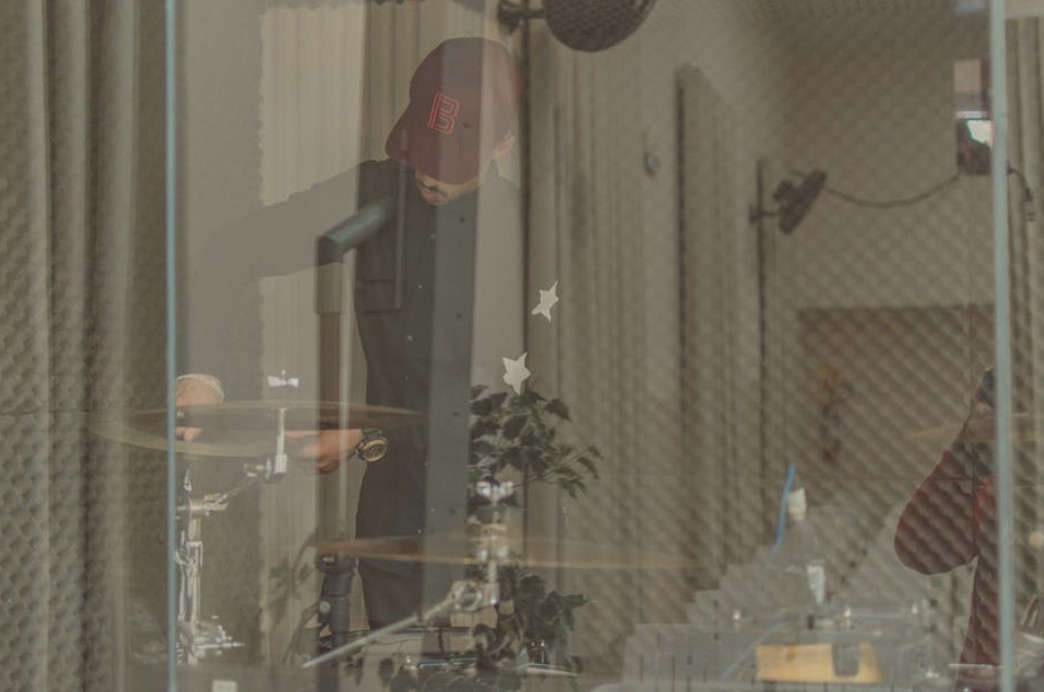 The removal of legal risk has been the biggest factor. Artists who previously worried about career consequences can now participate openly in a culture they were already part of privately.
What Does This Mean for Music Fans?
For fans, the shift means more authentic artistry and richer event experiences. When artists can be honest about their creative influences, the music becomes more genuine. When festivals accommodate cannabis alongside food and drink, the overall experience becomes more inclusive of how many attendees actually spend their time.
The product market has grown alongside the cultural shift. Curated playlists paired with specific strain recommendations have become a popular content format. Cannabis brands commission original music for their marketing campaigns. Music-themed edible packaging targets crossover consumers who identify with both cultures.
None of this erases the social justice dimensions of cannabis history. Communities that bore the brunt of prohibition while the music industry profited from cannabis culture still deserve equity in the legal market. The most thoughtful artists and brands acknowledge this tension and support expungement programs and equity licensing initiatives alongside their commercial activities.
Music and Cannabis Highlights
- Cannabis and music have been linked for nearly a century across jazz, reggae, hip-hop, and modern genres.
- Legalization in Canada and legal U.S. states has moved cannabis from hidden to officially accommodated at live events.
- Artists now launch branded cannabis lines and sign sponsorship deals as a new revenue stream.
- Recording studios in legal markets treat cannabis consumption with the same openness as any other creative tool.
- Fans benefit from more authentic artistry and richer, more inclusive event experiences.
- Social justice and equity remain important considerations as the legal market grows.
The Soundtrack Keeps Playing
Cannabis and music grew up together. Legalization has not changed that relationship so much as made it visible, honest, and economically viable. The artists and fans who always knew they belonged together can now participate openly in a culture that reflects how they actually live and create.
FAQ
Is cannabis allowed at music festivals in Canada?
It varies by event and municipality. Many Canadian festivals now include designated cannabis consumption areas with age verification. Check the specific festival’s policy before attending.
How are musicians making money from cannabis?
Through branded product lines, licensing deals with cannabis producers, tour sponsorships, co-branded merchandise, and content creation partnerships with legal cannabis brands.
Has legalization affected the music industry negatively?
No significant negative impacts have been documented. The primary industry concern is ensuring compliance with advertising regulations, which differ between provinces and states.
What genres are most associated with cannabis culture?
Historically, reggae and hip-hop have the strongest associations. In 2026, cannabis culture spans nearly every genre, with significant presence in indie, electronic, folk, and psychedelic rock communities.