
Sitting down to watch a movie or the big game should feel like a private cinema experience. Many people find that their living room setup just does not feel right. The screen might seem too small, or the angle makes your neck ache after 20 minutes. Getting the placement right changes everything about how you enjoy your home entertainment. It turns a simple room into a true media hub where the visuals can really shine.
Finding the Right Spot for Your Screen
Choosing where to put a large television involves more than just finding an empty wall. You have to think about how the light hits the glass during the day. Windows can create a glare that ruins the darkest scenes in a film. You also want to make sure the screen is the main focus of the seating area. If the television is tucked away in a corner, it can make the room feel disjointed and messy.
A recent study from a home furniture specialist found that the best distance between a sofa and a screen is roughly 4 meters. This distance allows your eyes to take in the whole picture without straining. It creates a balanced look in a large living room. When you have this much space, you can really appreciate the scale of a high-definition display.
The Science of Viewing Heights
Most homeowners make the mistake of mounting their screens much too high. This often happens when people try to put a television above a fireplace. Looking up for hours can lead to physical discomfort. The goal is to keep the screen at eye level when you are sitting down. This creates a natural line of sight that feels comfortable for long gaming sessions or movie marathons.
Professional installers often suggest that the center of the screen should stay between 100 and 110 cm from the floor. This height works well for most standard couches and chairs. It ensures that you are looking straight ahead rather than tilting your head back. Using quality TV mounts helps you achieve this exact height with precision. When the screen is at the right level, the colors and contrast look much better to the viewer.
Distance and Picture Quality
The resolution of your television plays a big role in where you should sit. Older screens had visible pixels if you got too close. Modern 4K and 8K displays are much sharper. You can sit closer to a high-resolution screen without seeing any graininess. This allows for a more immersive experience in smaller rooms where space is limited.
Technical guides suggest a viewing distance of 1 to 1.5 times the size of the screen for 4K models. This means a 65-inch television can be enjoyed from a relatively close range. Sitting at this distance helps you see the tiny details that creators put into their shows. It makes the investment in a high-quality panel feel worth the cost. You get to see the textures and colors as they were meant to be seen.
Managing Large Rooms
In a very large open-plan space, the television needs to be big enough to hold its own. A small screen will look lost on a massive wall. You might need to move your furniture closer to create a dedicated viewing zone. Rugs and lighting can help define this area as the “home theater” part of the house. This keeps the rest of the room open for other activities.
- Measure your wall space before buying a new unit.
- Check the weight capacity of your wall studs.
- Plan for cable management to hide messy wires.
- Test the viewing angles from every seat in the room.
Having a clear plan for your layout saves time and frustration later. You do not want to realize the screen is off-center after you have already drilled holes. Taking a few minutes to measure twice will lead to a much cleaner look.
Balancing Style and Function
Your television should not be an eyesore when it is turned off. Many people use digital art modes to make the screen look like a painting. This helps the technology blend into your home decor. You can also use shelving or cabinets to frame the screen. This makes the setup look like a planned part of the interior design.
Some designers recommend keeping the bottom edge of the screen about 6 to 12 inches above a media console. This creates a small gap that prevents the area from looking too crowded. It also leaves room for a soundbar or a few decorative items. A little bit of breathing room makes the whole wall feel more professional. It shows that you thought about the aesthetics of the room as well as the tech.
Specialized Room Layouts
In a bedroom, the viewing height is usually a bit higher than in a living room. This is because you are often lying down while watching. The angle of your head changes when you are on a pillow. You might want a mount that tilts downward to face the bed directly. This prevents you from having to prop yourself up with too many pillows.
A guide on properly locating screens noted that if a viewer’s eye level is 110 cm and the screen is 70 cm tall, the mount height should be around 75 cm. This formula helps you find a custom fit for your specific furniture. Every home is a little bit different. Using a bit of math ensures that your setup is perfect for your height and your seating. It removes the guesswork from the installation process.
Smart Installation Tips
Installing a heavy screen requires the right tools and hardware. You should never try to hang a large television on just the drywall. You must find the wooden studs behind the wall to support the weight safely. Using a stud finder is the only way to be sure. This protects your expensive electronics and your family from accidents.
- Use a level to ensure the bracket is perfectly straight.
- Mark your holes clearly with a pencil before drilling.
- Have a friend help you lift the screen onto the mount.
- Double-check all bolts to make sure they are tight.
Following these steps will give you a secure and professional result. It takes the stress out of the process. Once the screen is up, you can hide the cables inside the wall or use a paintable cover. This makes the installation look seamless and high-end.
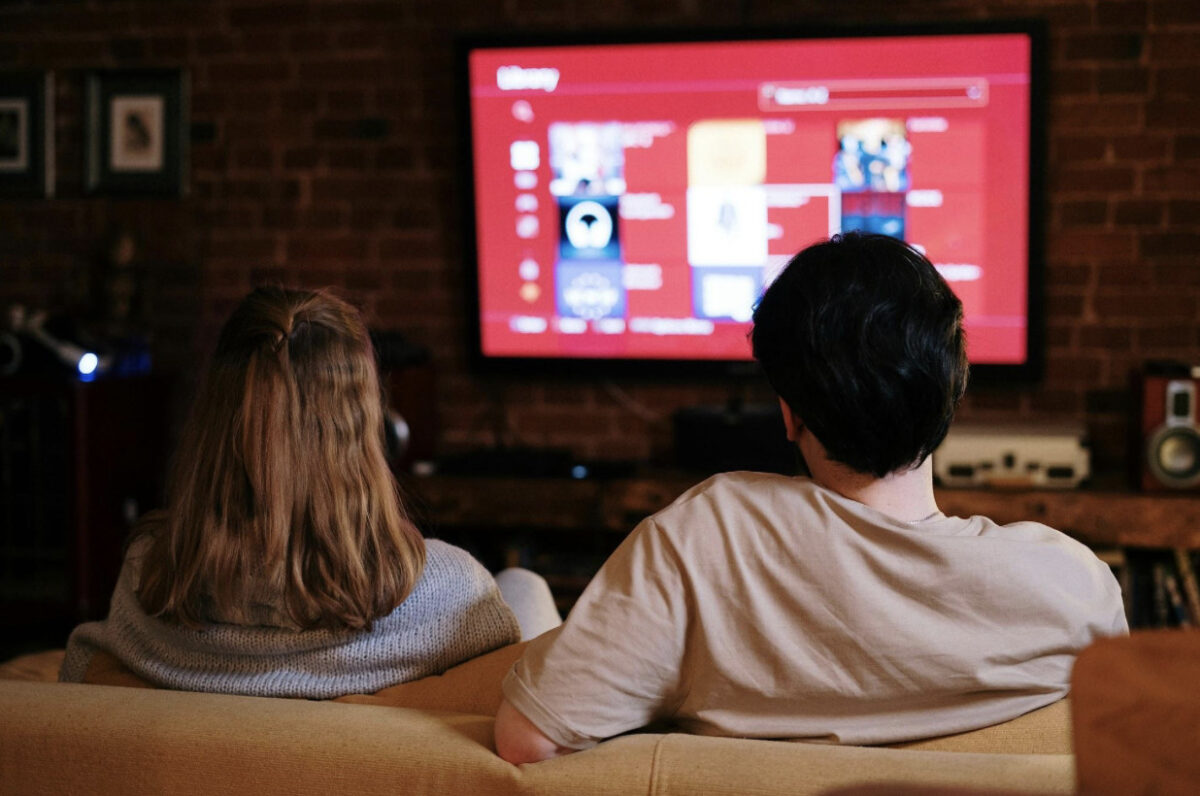
A good setup starts with understanding your space and your habits. Think about where you sit most often and how the light changes throughout the day. Using the right hardware and following basic viewing rules will help you get the most out of your screen. You can enjoy your favorite shows with a view that is truly better. It only takes a little bit of planning to create the perfect home theater experience for everyone.