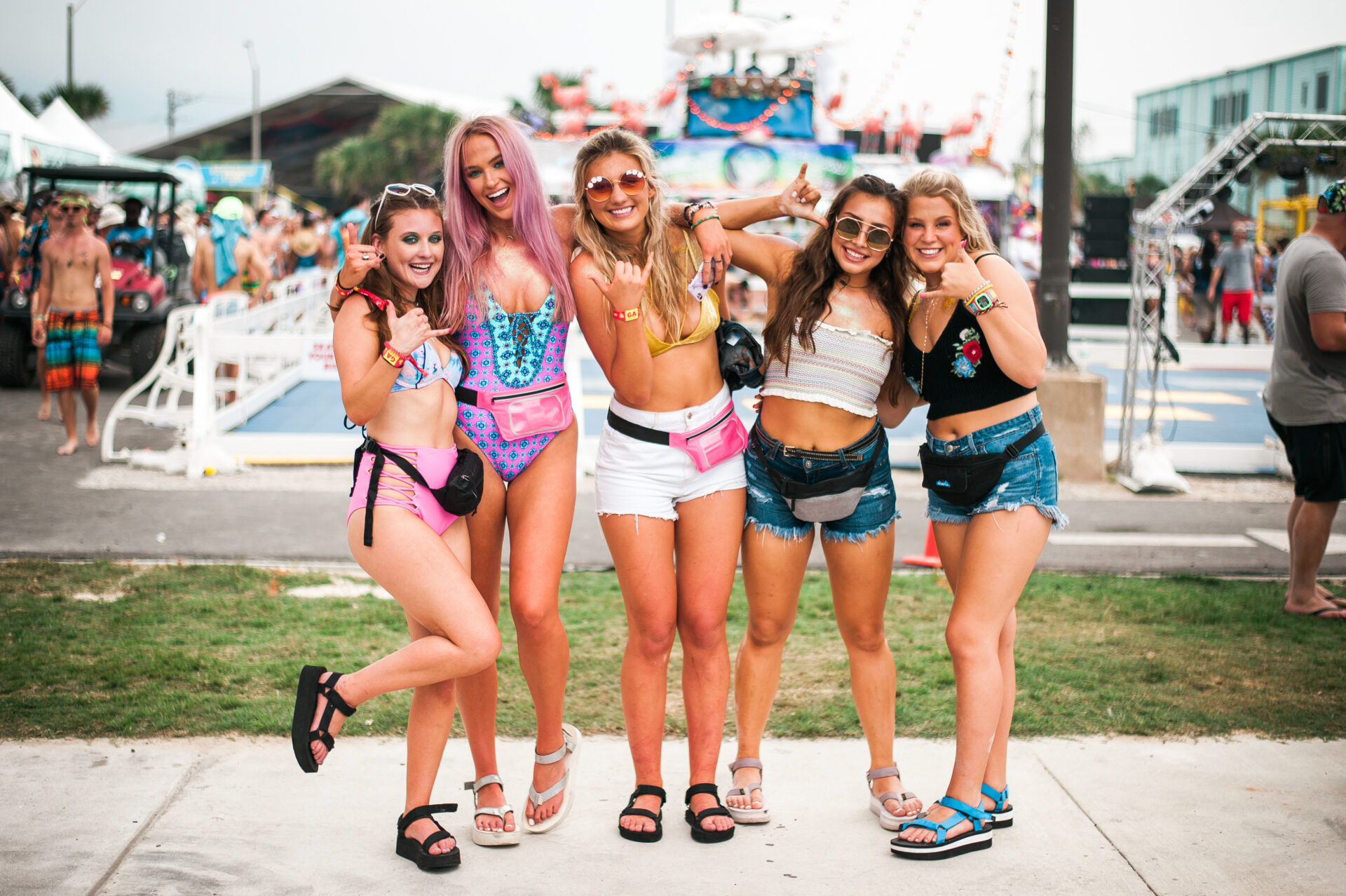
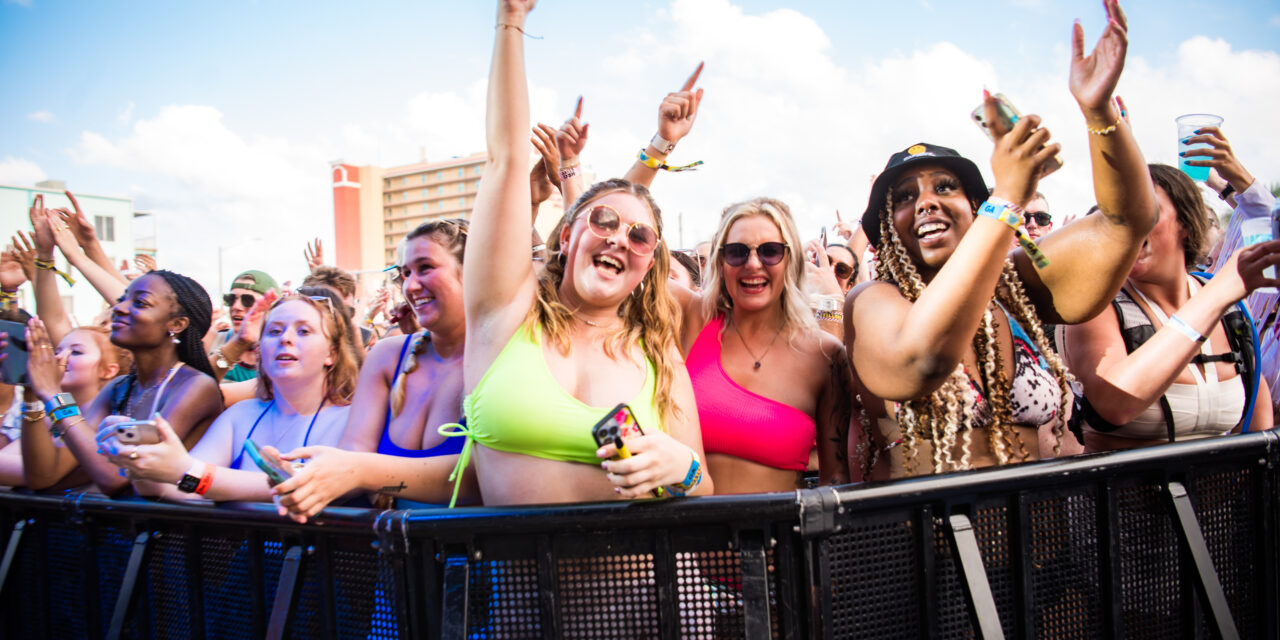
Marrakech has always had a reputation as a city of sound, from the drummers and storytellers of its main square to the call to prayer echoing over the medina. In recent years, that reputation has evolved into something bigger: a genuine festival economy that pulls in international performers, global audiences and serious investment. What was once a stopover for tourists chasing souks and riads is now a destination people plan entire trips around, built specifically to catch a lineup.
Why festivals took hold here
The appeal of Marrakech as a festival setting isn’t accidental. The city offers a rare mix of dramatic desert and mountain backdrops, centuries-old architecture, and a climate that suits open-air events for much of the year. Organizers get a setting that feels unlike anywhere else, and that visual distinctiveness has become part of the marketing itself, since photos and clips from these events circulate well beyond anyone who actually attended.
The festivals putting the city on the map
Electronic music has played an outsized role in this shift. A festival launched in the early 2010s, staged on the edge of the Agafay desert outside the city, is widely credited as the turning point that put Marrakech on the global dance music circuit. International DJs now build Marrakech into their touring schedules in a way that would have seemed unlikely a decade ago, and the city is increasingly spoken of in the same breath as long-established electronic music capitals.
Beyond electronic music, Marrakech also hosts long-running festivals dedicated to popular music, film-adjacent arts, and traditional Gnawa and Sufi sounds, each drawing its own distinct audience. That range matters, because it means the city isn’t dependent on one genre or one crowd to sustain its reputation. A visitor interested in trance-inducing Gnawa rhythms and one chasing techno sets can both find a reason to book a flight in the same calendar year.
Government backing turned culture into strategy
This growth hasn’t happened purely through private promoters chasing an opportunity. Morocco’s cultural authorities have treated festivals as a formal piece of tourism and cultural policy, organizing dozens of cultural and artistic events annually and channeling meaningful public funding into festival support in recent years. That kind of institutional backing helps explain why the festival calendar has become more stable and predictable rather than relying on a handful of independent promoters.
What it means for the local economy
Festivals bring more than ticket sales. Hotels, riads, restaurants and transport operators all see demand spikes around major events, and many businesses now plan staffing and inventory around the festival calendar the way ski towns plan around snowfall. Artisans selling textiles and leather goods in the souks also benefit indirectly, since festival visitors tend to extend their stays to explore the city beyond the event grounds.
How Marrakech compares to other entertainment capitals
Marrakech’s festival scene now anchors a tourism and entertainment economy that draws visitors specifically for live events rather than sightseeing alone. Dubai’s hospitality and entertainment sector plays a comparable role, pulling in international visitors through large-scale events, nightlife and resort experiences built around leisure spending. Readers comparing how entertainment-driven tourism translates into other markets can explore Saudi Arabia casino sites on Haz-Tayeb for a sense of how the wider Gulf region approaches leisure and entertainment demand.
For travelers planning around live events in Marrakech, it’s worth checking official guidance from bodies such as the Moroccan Ministry of Tourism, which tracks major cultural happenings and seasonal travel patterns across the country. That kind of resource is useful for timing a trip around a specific festival rather than guessing at dates.
What began as a handful of niche gatherings has become a recognizable part of Marrakech’s identity. The city’s mix of scenery, history and now a genuinely international festival calendar gives it a pull that goes well beyond its traditional tourist draws. As more promoters and performers look for settings that feel fresh to global audiences, Marrakech looks set to keep climbing the list of places where music fans plan their year around a single weekend.