
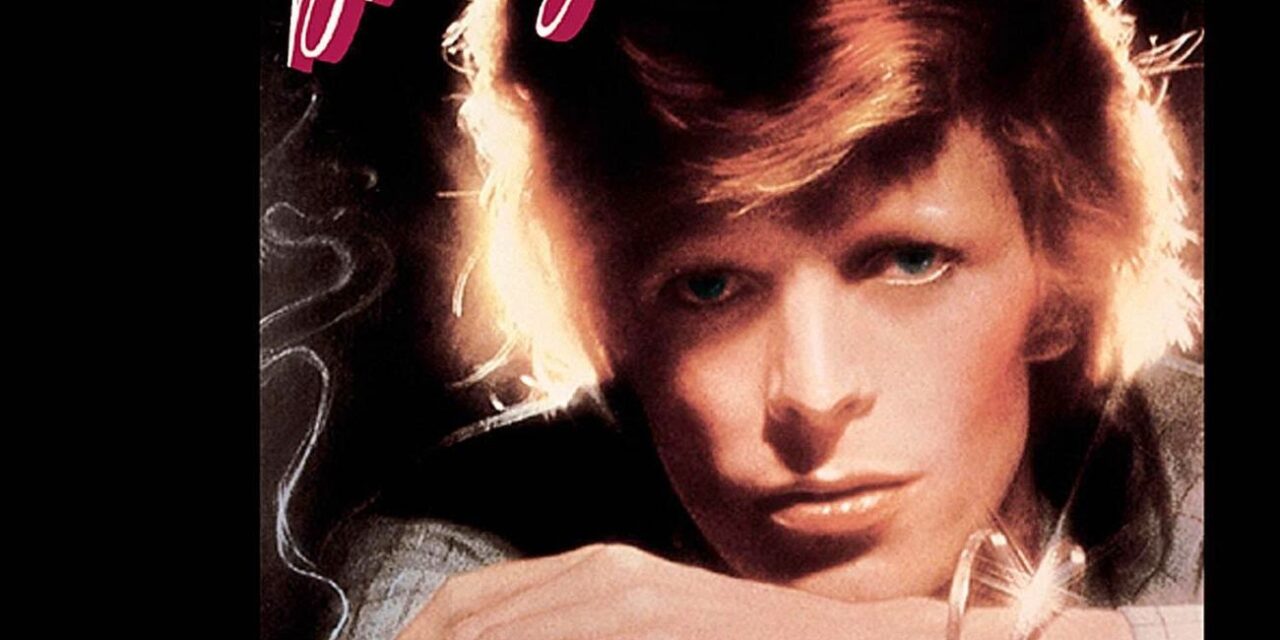
Pull an old poster of a classic album off a dorm wall and look closely. Sometimes the hand is empty where a cigarette used to be. Music history is full of these small edits. They show up on posters, postage stamps and reissued artwork, and most fans never notice them.
The long, thin cigarette from so many old press photos is still sold today, for example in listings for thin cigarettes canada. That shop sells only to adults inside Canada. This article is about images, and it is not a suggestion to buy or smoke anything.
Canadian tobacco ages differ by province: 18 in Alberta, Manitoba and Quebec; 19 in most other provinces and territories, Saskatchewan included; 21 in Prince Edward Island. Substream readers in the US follow federal law, which sets the minimum age at 21. States and cities may set stricter rules.
Why Did the Cigarette Become a Music Photo Prop?
For decades, a cigarette was a cheap way to give a portrait attitude. It gave nervous hands something to do. It added smoke, which photographers loved for its texture under stage lights. It also signaled a mood that a press kit could not spell out.
Style mattered as much as attitude. The slim, elongated cigarette carried a fashion signal in the 1970s and 1980s. On a glam or new wave cover, it read as poise and polish rather than grit. A thicker cigarette in a leather jacket said something else entirely.
That is why these props survive in so many images. Every visual choice on a cover feeds an artist’s story, a theme in our piece on design in music branding. The cigarette was one of those choices, made by stylists and photographers as often as by the artists.
What Happened to the Cigarette On the Abbey Road Poster?
The Beatles’ Abbey Road cover is one of the most copied photos in music. In January 2003, the BBC reported that US poster companies had airbrushed the cigarette out of Paul McCartney’s hand. Apple Records, which controls the image, had not approved the change.
An Apple spokesman said the poster companies had got a little carried away. The album sleeve itself was never changed. Only certain posters lost the cigarette.
The story became a template for later debates. Who owns a famous image? And does a seller have the right to tidy it up for a new audience?
Why Do Stamps of Musicians Look Smoke-Free?
Postage stamps went further than poster printers. The University of Alabama’s Center for the Study of Tobacco and Society keeps a gallery of airbrushed US stamps that lost their cigarettes. The music entry is the best known.
- Robert Johnson, 1994. The blues guitarist’s stamp came from one of his few known photos, which showed a cigarette in his mouth. The stamp art removed it.
- James Dean, 1996. The actor’s stamp dropped the cigarette from his famous look.
- Humphrey Bogart, 1997. Another screen icon lost his trademark prop.
- Jackson Pollock, 1999. The painter’s stamp removed a cigarette that hangs from his lips in the original photo.
The Postal Service said it did not want stamps to look like they promoted smoking. Critics called the edits a rewrite of history. Both sides agreed on one point: the original photos had become part of how people remembered these figures.
Do Music Videos Still Show Smoking?
They do, and often. Truth Initiative studied the top Billboard songs of 2022. Its analysis of music video tobacco imagery found tobacco in 28% of the songs with videos, or 60 of 212.
Those 60 videos held 462 depictions in total. They had drawn almost 7 billion YouTube views by October 2023. The study also counted 27 e-cigarette depictions in 2022, up from one in 2021.
So the airbrush never won. Older images got cleaned up, while new videos added fresh smoke. A fan scrolling a streaming app today sees both at once.
How Should Today’s Artists Handle Smoking In Their Visuals?
Independent artists now make their own covers, press shots and short videos. That puts a decision on their plate that a label art department once handled. A few questions help:
- Does the prop serve the song? If the image works without it, the cigarette is probably noise.
- Who is the audience? Platforms and playlists aimed at young listeners may treat smoking imagery differently.
- Will a partner object? Sponsors, festivals and venues often have their own image rules.
- Is there a safer stand-in? Film crews often use prop cigarettes, which keep the look without lighting up a real one on set.
Reissues raise a different question. A label reissuing an old record has three common choices:
| Choice | What it keeps | What it risks |
| Leave the art as it was | Historical accuracy | Some retailers may push back |
| Edit the cigarette out | A cleaner listing image | Fan backlash and a false record |
| Keep the art, add a note | Accuracy plus context | A little extra design work |
Collectors tend to prize the untouched version. They want the full, original package, much like the listeners in our look at why fans love bonus material.
What Should Fans Take From These Edits?
The vanished cigarette is a small clue to big shifts in taste, law and marketing. When you spot one, a few habits help:
- Compare the poster or stamp with the original sleeve or photo.
- Check the year of the edit, not just the year of the image.
- Read the image as history, without treating it as advice.
Frequently Asked Questions
Was the Cigarette Removed From the Abbey Road Album Cover?
No, the album sleeve kept it. In 2003, some US poster companies airbrushed the cigarette out of their prints. Apple Records had not approved those edits.
Why Did the Robert Johnson Stamp Lose Its Cigarette?
The 1994 stamp used a photo that showed Johnson with a cigarette. The Postal Service removed it so the stamp would not seem to promote smoking.
How Common Is Smoking In Music Videos Today?
Truth Initiative found tobacco imagery in 28% of the top 2022 Billboard songs with videos. Those videos had almost 7 billion YouTube views by late 2023.
What Is the Minimum Age to Buy Tobacco In the US?
Federal law sets the minimum age at 21 for all tobacco sales. Some states and cities layer on extra rules. Canada’s ages vary by province, from 18 to 21.