After some of the culture’s biggest names giving us bonus albums, re-releases, and extended “surprise” tours so often that we feel more subjected to it than treated to it, it’s easy to forget that there was a time when this approach didn’t feel so overplayed.
While many industries have taken advantage of bonus content and enticement to lure fans back, it was music that pioneered the form and raised it into some of the most profitable marketing campaigns of all time. Fans have always loved to get more than they expected, and here are some of the oft-forgotten ways that artists and labels used the art of the bonus to give a little more than what was bargained for.
The Hidden Bonus Track
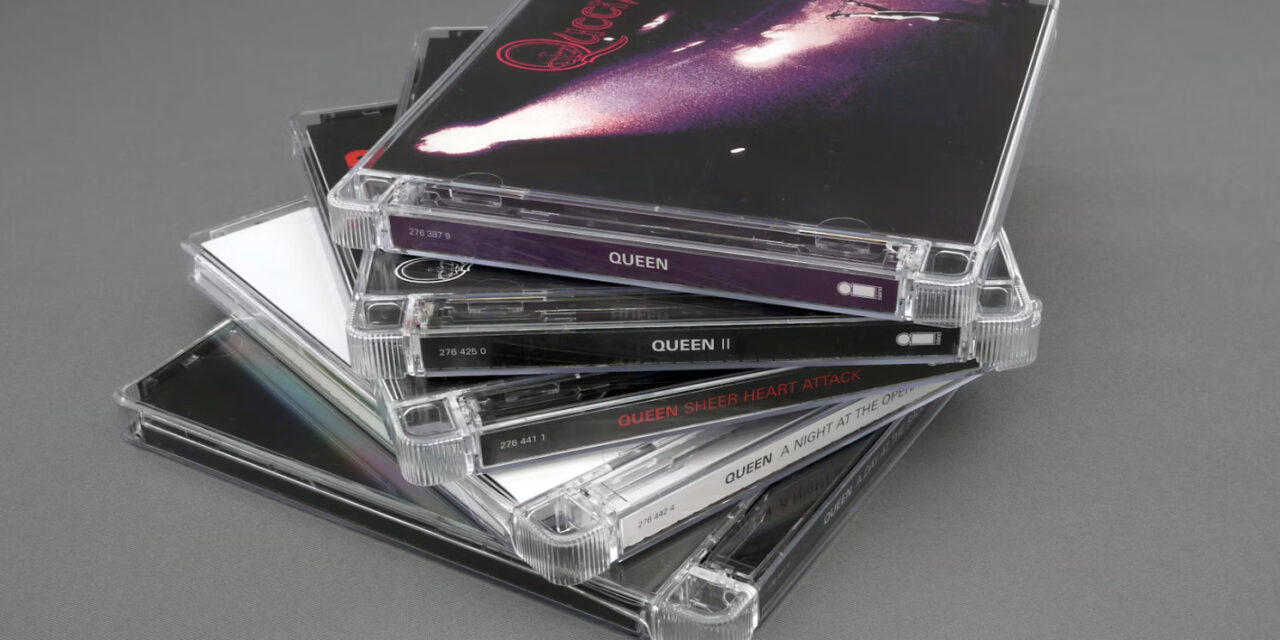
We’ve all familiar with bonus tracks, but does anyone remember the “hidden” bonus track? This was very much the domain of the CD era, where artists could exploit the medium by giving loyal fans a track hidden inside the disc that would reward anyone going through the full listen-through for the first time.
One of the most fondly remembered examples of this is probably found on some rare (and extremely sought-after) copies of Nirvana’s decade-defining album Nevermind, on which dedicated fans could find the hidden track “Endless, Nameless”, which only surfaced following more than 10 minutes of silence at the end of the album’s closing track.
On the flip side, Britpop icons Blur concealed a bonus track called “Me, White Noise” right before the first track on Think Tank. Meanwhile, the noughties rock group Green Day tapped in Tré Cool to sing the hidden bonus song “All by Myself”, hidden right after the track “FOD” on their Dookie album.
The Japanese Bonus Track
Did you know that Japanese fans often got exclusive bonuses denied to fans in the rest of the world? While this definitely caused a fair share of inter-community strife, the reasoning was sound.
CDs made domestically in Japan were often way more expensive than importing versions from, say, the US, so labels would try to sweeten the deal for customers with exclusive bonus content on the Japanese pressings. Some of these bonuses actually broke containment, too.
“Up All Night” and “Priceless”, two Rod Stewart fan favorites, were buried inside the Japan editions of his albums. The same goes for the one and only Brian Eno, who tacked on “Modified Fishes” and “Purple Zone” to the Japanese version of Music for Installations. The bonus for labels? Fans from elsewhere were now happy to pay to import an album from Tokyo.
We All Love a Little Extra
Of course, we know that music isn’t the only form of entertainment that has used the bonus to great effect. They’re now ubiquitous, be it in additional video game DLC content or introductory offers for new players of other types of games.
One such classic of the genre is the bingo welcome bonus, which can give new players £30 in online credit after that first £10 deposit. While the mechanism is different, the impact is the same. The bonus is something to sweeten up fans with something that goes beyond the “standard” version.
What’s Next for the Music Industry?
While the secret bonus track isn’t as well suited to the Spotify era, the art of the bonus continues to enjoy heavy use across entertainment.
Now we’re seeing endless remix albums, exclusive podcast content, vinyl bonuses for the most loyal fans, and more. Let’s see how the industry finds new ways to make fans feel like they’re getting more.