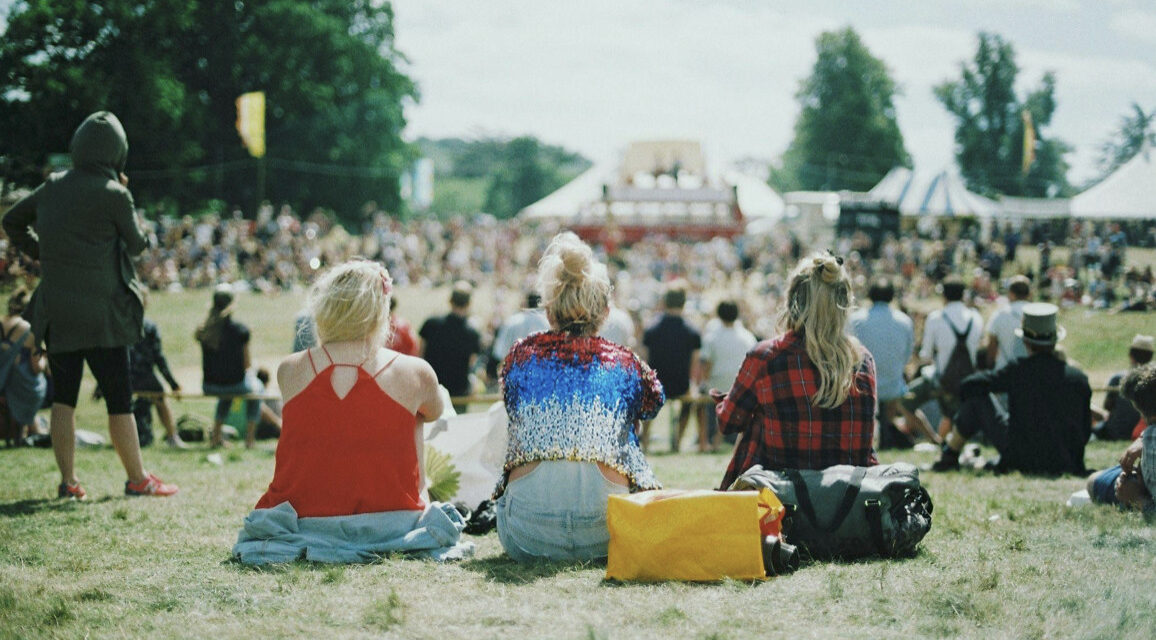
Choosing the best music festivals in the UK in 2027 is much easier when you start with the practical questions. What kind of music do you want? Are you ready for a full camping weekend, or would a city day festival suit you better? Do you want the biggest crowd possible, or a more manageable boutique experience?
The UK festival scene covers all of these without compromise. From legendary countryside camping festivals to urban weekenders, family-friendly sites, rock and metal gatherings, and pop-first parties, there is a strong option for almost every kind of attendee.
This guide breaks it down step by step: the best overall picks, the calendar by season, the strongest formats by genre, the biggest festivals by scale, and how UK trips compare with Europe festival trips in 2027.
Best UK Music Festivals in 2027
The right festival is not just the one with the biggest name. It is the one whose format, crowd, genre mix, and logistics match the way you actually enjoy live music.
Exact dates, lineups, and pricing can shift year to year, so treat this shortlist as your starting point for comparison before booking.
Glastonbury Festival
Best for: Music obsessives who want maximum variety across genres in one weekend.
Vibe & format: A sprawling countryside camping festival with the scale of a temporary city rather than a standard weekend event.
Music focus: Rock, pop, dance, folk, electronic music, and countless smaller genre pockets across dozens of stages.
Ticketing reality: Demand is famously intense, with weekend tickets usually selling out within minutes of release. If you are serious about attending, registration and payment preparation are not optional.
Practical note: The site is genuinely vast. Build real walking time into your day, because moving between stages can shape your schedule as much as the lineup itself.
Glastonbury remains the definitive “everything at once” UK festival experience.
Isle of Wight Festival
Best for: Fans who want a festival atmosphere paired with a proper island getaway.
Vibe & format: A camping-based event with a coastal backdrop, giving it a holiday feel alongside the usual main-stage energy.
Music focus: A broad mix leaning toward mainstream rock and pop, with supporting genres rounding out the bill.
Ticketing reality: Weekend tickets usually see strong demand, while day tickets are typically available for those not committing to a full camping pass.
Practical note: Getting to the island adds an extra planning layer. Build ferry-style crossing times into your travel schedule rather than assuming mainland-style access.
For attendees who like their live music with sea air and a slower travel rhythm, Isle of Wight Festival is an elegant choice.
Creamfields
Best for: Electronic and dance music fans who want a weekend built around DJ sets and late-night stages.
Vibe & format: A camping festival dominated by dance tents, arena-style staging, and continuous late-night programming.
Music focus: Dance, house, techno, EDM, and electronic subgenres across multiple dedicated arenas.
Ticketing reality: Weekend and camping pass demand is typically high among electronic music fans, with day tickets usually offered for single-day attendees.
Practical note: Long stretches of continuous sets take a toll. Pace yourself, stay hydrated, and consider hearing protection if you plan to spend long periods close to speaker stacks.
Creamfields is the obvious pick when the dancefloor is the main event.
Reading and Leeds Festival
Best for: Rock and alternative fans who want a major festival experience without heading deep into the countryside.
Vibe & format: Two sister events held in different UK cities on the same weekend, sharing a lineup and identity while keeping separate sites.
Music focus: Guitar-driven rock, alternative, and indie, alongside a growing hip-hop and pop presence.
Ticketing reality: Weekend tickets usually move fast because demand is split across two major locations. Choosing between Reading and Leeds often comes down to travel convenience.
Practical note: Since the two events run in parallel, your site choice matters. Pick based on proximity and logistics rather than treating them as interchangeable.
Reading and Leeds continue to work best for groups who want a big-name weekend with a direct, youth-driven energy.
Download Festival
Best for: Rock and metal fans who want a dedicated heavy-music weekend.
Vibe & format: A large-scale camping festival built specifically around rock, metal, hard rock, and heavy-music culture.
Music focus: Classic rock and metal acts through to newer heavy subgenres.
Ticketing reality: Weekend and camping pass demand is typically strong among the rock community, with day tickets usually available for non-campers.
Practical note: Wet UK weather can turn the site muddy quickly. Bring camping gear and footwear suitable for heavier ground conditions rather than fair-weather kit alone.
For heavy music without dilution, Download Festival is the specialist option.
Parklife Manchester
Best for: Urban festival-goers who prefer a day-out format over multi-day camping.
Vibe & format: A city-based day festival in an urban park setting, offering festival energy without an overnight commitment.
Music focus: Dance, hip-hop, pop, and electronic-leaning acts across multiple stages.
Ticketing reality: Day tickets are the core format, since there is no camping pass option. Popular days usually build demand quickly.
Practical note: Entry and exit points can get congested at peak times, so plan your arrival and departure around the day’s pacing.
Parklife is ideal if you want a high-energy festival without carrying a tent or sacrificing a proper bed.
TRNSMT Glasgow
Best for: Fans who want big-name city-based music without the countryside camping commitment.
Vibe & format: A city park day festival with an energetic urban backdrop.
Music focus: Rock, pop, indie, and mainstream chart acts.
Ticketing reality: Day tickets are usually the primary format, with demand rising sharply for headline days.
Practical note: There is no onsite camping, so sort accommodation in Glasgow ahead of time rather than relying on last-minute options.
TRNSMT delivers a clean city-festival format: arrive, enjoy the bill, and return to proper accommodation.
Mighty Hoopla
Best for: Pop lovers looking for a costume-friendly, party-first community atmosphere.
Vibe & format: A vibrant day festival built around pop culture, dress-up culture, and inclusive party energy.
Music focus: Pop, camp classics, and crowd-favorite anthems.
Ticketing reality: Day tickets drive demand, and popularity has grown as the event’s reputation for atmosphere has spread.
Practical note: Costumes and larger friend groups are common, so agree on a meeting point in advance. Phone signal can get patchy in busy crowd areas.
Mighty Hoopla is not just about the lineup. The crowd is part of the feature set.
Camp Bestival Dorset
Best for: Families who want a festival designed around kids as much as adults.
Vibe & format: A countryside camping festival that blends music with family entertainment, activities, and a more relaxed pace.
Music focus: Pop, nostalgia acts, crowd-pleasing sets, and family-friendly programming.
Ticketing reality: Weekend and camping pass options usually dominate because of the family camping setup, though day tickets are usually available for shorter visits.
Practical note: Scheduling is typically more forgiving for younger attendees, with quieter hours generally observed and paths that are usually manageable for strollers.
For families, Camp Bestival Dorset makes the festival experience feel approachable rather than overwhelming.
UK Music Festival Calendar 2027 by Month
Festival timing matters almost as much as the lineup. The UK season changes sharply from spring to autumn, and each block brings different weather, ticketing pressure, crowd behavior, and accommodation patterns.
Use this calendar as a planning framework rather than a confirmed 2027 date list. Once specific announcements arrive, cross-reference your preferred window with the festivals above.
Spring Festival Dates
What this period is like: Spring UK festivals, typically March to May, sit in a highly variable weather stretch. A sunny afternoon can become a cold, wet evening within hours. Daylight is improving, but ground conditions can still be soft from winter rainfall.
Best for: First-timers easing into festival culture, smaller boutique crowds, and attendees who want to avoid peak-season congestion.
Trade-offs to plan for: Unpredictable weather swings, shorter evening programming compared with summer, and a smaller pool of confirmed events.
Booking/ticketing implications: Spring events often see lower overall demand than summer tentpoles, so attendees may commit closer to the date. However, popular weekend tickets can still tighten up a few weeks out.
Accommodation/transport pattern: Nearby budget accommodation is usually the first to go because spring trips often attract shorter-notice bookings.
Spring rewards flexible attendees who do not mind packing for several types of weather in one bag.
Early Summer Festival Dates
What this period is like: Early summer, typically late May to June, is often the UK festival sweet spot. Days are long, programming can run comfortably, and temperatures are usually less draining than in peak summer.
Best for: Mixed-age groups, city day festivals, and attendees who want reliable daylight without extreme heat.
Trade-offs to plan for: School half-term overlaps can push up family travel demand, and evening sets can still run into cooler air once the sun drops.
Booking/ticketing implications: Weekend ticket demand usually builds steadily through spring, so this window rewards early commitment.
Accommodation/transport pattern: The real issue is not sunset. It is the crowd bottleneck after headline sets, when trains, taxis, and venue-area transport get squeezed all at once.
Early summer offers one of the best balances of comfort, daylight, and lineup strength.
Peak Summer Festival Dates
What this period is like: Peak summer, typically July to early August, brings the longest days and highest average temperatures of the UK festival calendar. It also brings the largest crowds and busiest campsite layouts.
Best for: Hardcore campers, groups chasing major headline lineups, and anyone prioritizing maximum daylight hours on-site.
Trade-offs to plan for: Dense crowds at popular stages, higher pressure on water and shade infrastructure, and campsites that can feel cramped during the busiest weekends.
Booking/ticketing implications: Day ticket and weekend ticket demand often peaks well before the event itself. Waiting in this window usually costs more in both price and availability.
Accommodation/transport pattern: On-site campsite upgrades, including quieter zones, better ground, and shorter walks to stages, tend to sell out early.
A less obvious planning point: with such long days on-site, pacing matters more than many first-timers expect. Water refill breaks, shaded downtime, and a sensible base camp can make the difference between a brilliant weekend and an exhausting one.
Late Summer and Autumn Festival Dates
What this period is like: Late summer and autumn events, typically late August to October, bring cooler nights and a higher chance of rain compared with peak summer. Darkness also arrives earlier during evening programming.
Best for: Value-focused attendees, lower-key crowds, and those who prefer cooler conditions over peak-season heat.
Trade-offs to plan for: Earlier darkness, cooler overnight temperatures, and a higher chance of muddy ground by the event’s end.
Booking/ticketing implications: Weekend ticket demand is usually calmer than in summer, giving more room to decide closer to the date.
Accommodation/transport pattern: Train and transport options tend to hold availability longer, though nearby accommodation can still tighten around any high-demand weekend.
Once you know your preferred time window, the next step is matching it to the genre and format you actually want.
Best UK Festivals by Genre and Format
Beyond the names, UK festivals fall into a handful of clear formats. Choosing the right format matters more than chasing any one artist, because it determines how you sleep, move, budget, and recover.
Use this section to narrow down the kind of weekend or day you want before comparing specific festivals.
Major Multi-Day and Camping Festivals
Best for: Attendees who want maximum variety and are ready to commit to a full camping trip.
What you get: Dozens of stages, simultaneous programming, and a self-contained temporary community. At the largest events, no two attendees have exactly the same weekend.
Typical logistics: Arrival often takes a full day before the music starts. Sleeping is tent- or van-based on-site, and schedules can run from early afternoon into the small hours.
Budget pattern: Costs concentrate around the weekend ticket or camping pass, plus on-site food and drink.
Common friction points: Site sprawl creates genuine walking time between stages. Clashing set times are not just a diary problem; they force real decisions about whether to stay planted or roam and miss parts of everything.
Campervan pitches and glamping can improve comfort and recovery, but they do not remove the walking-distance issue.
How to choose fast: If a 20-minute walk between stages sounds frustrating, pick something smaller. If the temporary-city feeling excites you, this is your format.
Boutique and Urban Weekenders
Best for: Attendees who want festival energy without the full camping commitment.
What you get: Either urban convenience, where you arrive, watch, and go home, or a smaller countryside setting with curated programming and less overwhelm.
Typical logistics: Urban day events run on a commute-in, commute-out pattern with no camping pass. Boutique countryside weekenders still involve camping, but at a fraction of the mega-festival scale.
Budget pattern: Urban event spending shifts toward transport and accommodation. Boutique weekends place more weight on the camping pass and site extras.
Common friction points: Day tickets can behave differently from weekend passes. One popular day may sell out while others remain available, so day-by-day demand matters.
Energy pacing also changes. Without an onsite tent to retreat to, urban attendees need to manage fatigue around the trip home.
How to choose fast: If you want to sleep in your own bed, pick the urban day format. If you want camping without the mega-festival scale, boutique is the cleaner fit.
Rock and Metal Festivals
Best for: Heavy-music fans who want a lineup built around rock and metal rather than a broad genre mix.
What you get: High-intensity programming, committed genre crowds, and stages built around long, loud sets.
Typical logistics: Usually camping-based, with arrival patterns similar to other major multi-day festivals. Daily attention tends to concentrate around main-stage headline sets.
Budget pattern: Spend concentrates on the weekend ticket and camping pass, with less pressure toward constant stage-hopping upgrades.
Common friction points: Barrier areas can become dense during headline sets. Ground conditions can turn heavy underfoot, especially around pits, making footwear and mud tolerance real decision factors.
How to choose fast: If loud stages and long high-intensity sets sound like the default you want, this format is for you. If constant high-volume sound wears you out quickly, treat that as a serious preference filter before booking.
Family-Friendly Festivals
Best for: Families and multi-generational groups balancing different stamina levels.
What you get: Kids’ areas, daytime-weighted scheduling, and a slower pace built around activities as much as music.
Typical logistics: Camping-based, often with quieter family fields separated from general camping. Site paths are usually more manageable for strollers, and daily schedules tend to wind down earlier than adult-focused festivals.
Budget pattern: Costs concentrate around weekend or camping passes and family-specific activity add-ons rather than late-night extras.
Common friction points: Not every festival described as “family-friendly” truly delivers. Check whether there is a dedicated kids’ area, substantial daytime programming, and properly separated family camping.
How to choose fast: Match the festival to the youngest attendee’s stamina, not the oldest. Toddlers may do better with a shorter day-ticket option, while older kids and teens can usually handle a full camping weekend.
A good family festival should feel secure, simple, and thoughtfully designed from arrival to bedtime.
Biggest Music Festivals in the UK
When people ask which UK festival is “the biggest,” they usually mean several different things at once. Size can mean licensed capacity, attendance, site footprint, number of stages, or ticket demand.
Separating these measures makes planning much clearer.
Capacity and Attendance Benchmarks
Before comparing festivals, it helps to understand the core size metrics:
- Licensed capacity — the maximum number of people an event is legally permitted to host on-site at once. This affects crowd management, entry checks, toilet ratios, and bar pressure.
- Tickets sold / attendance — the number of people who actually show up. This is what determines how busy paths, viewing areas, and food queues feel.
- Daily capacity vs weekend total — a single-day cap is not the same as a cumulative multi-day total. Mixing them makes festivals look bigger or smaller than they really are.
- Site footprint and stage count — a useful proxy for crowd spread. More acreage and more stages can reduce density, but usually increase walking time.
Each metric changes the real experience on the ground. Licensed capacity hints at entry pressure, attendance shapes crowd density, daily capacity affects how busy a specific day feels, and site footprint dictates how much time you spend moving instead of watching.
A simple method keeps comparisons honest: check whether figures are from the same year, avoid comparing weekend totals with daily attendance, and remember that some festivals report combined multi-day numbers rather than per-day figures.
Largest Camping Festivals
Several UK camping festivals stand out for scale, but each one feels big in a different way.
- Glastonbury Festival — tens of thousands of attendees across a sprawling multi-day camping site. The biggest practical consequence is the campsite-to-arena commute, because pitch location can add a 30–45 minute walk before you reach the first stage.
- Download Festival — tens of thousands at a multi-day camping event built around rock and metal. The defining size effect is headline-night crowd concentration around one or two main stages.
- Boomtown Fair — tens of thousands at a themed multi-day camping festival. Because the site is divided into distinct districts rather than a simple grid, internal navigation takes more attention.
- Leeds Festival — tens of thousands at a multi-day camping site. Satellite camping fields can sit some distance from the main arena, making the morning commute part of the experience.
- Isle of Wight Festival — tens of thousands at a multi-day camping event on a comparatively compact island site. Stage-to-stage movement may be quicker, but crowd density near the main stage can feel higher during peak sets.
The key planning lever is where you pitch your tent relative to the arena. Camping close saves walking time but often means more overnight noise. Camping farther out can be calmer, but it adds a daily commute.
This is where smart planning matters. Once you factor in a 20-minute walk between stages, “catching three acts” can quickly become “seeing one properly and half of another.”
Largest City Festivals
City festivals earn the “big” label differently. Instead of campsite sprawl, the pressure comes from throughput, entry waves, exits, curfews, and fixed transport routes.
- Parklife Manchester — the defining size effect is curfew-driven schedule compression. City noise limits often mean tighter headline timings than at rural festivals.
- TRNSMT Glasgow — the standout issue is transport load after headliners, when the surrounding city network absorbs a synchronized surge.
- Wireless Festival — entry-wave bottlenecks are the main friction point, because a single-park footprint with limited entrances can create queues before doors.
- Mighty Hoopla — without a late-night camping rhythm, the size effect shows up as day-festival pacing, with energy spread more evenly across the day.
City festivals can feel denser than their attendance numbers suggest. That is not a contradiction. A smaller footprint, fewer stages, and synchronized arrival and exit times concentrate the energy.
For some attendees, that is exactly the appeal: the crowd feels focused, immediate, and shared.
Ticket Demand and Sell-Out Patterns
Big UK festivals sell fast for consistent reasons, even before lineups are fully known.
- Legacy and brand gravity — long-running festivals build loyal returning audiences who book on reputation alone. If the brand matters more to you than any specific act, early commitment is the safer default.
- Limited capacity relative to demand — even a large licensed capacity can sell out quickly when the site cannot expand. Historical capacity increases can hint at looser demand pressure.
- Travel and accommodation constraints — festivals with limited nearby lodging, island access, or scarce camping upgrades create a second bottleneck beyond the ticket.
- Format uniqueness — dual-site setups, themed layouts, and distinctive city weekenders attract attendees who cannot get the same experience elsewhere.
The useful nuance is this: “biggest” does not always mean “hardest to get into.” A large festival with multiple days, multiple locations, or high daily capacity may spread demand enough to keep tickets available longer. A smaller festival with a strict cap can sell out faster simply because there is less room to absorb demand.
Size → What changes for you
- Walking time: Larger footprints mean more of your day is spent moving between stages.
- Queues: Bigger licensed capacities can mean longer bar and toilet queues at peak changeovers.
- Sound bleed between stages: Compact city layouts can create overlapping audio between neighboring stages.
- Meeting friends and phone signal: High-density crowds strain mobile networks, so physical meeting points matter.
- Choice paralysis: More stages and more overlapping acts can make planning harder, especially for first-timers.
- Connectivity for international visitors: If you are flying in from outside the UK, local mobile networks under festival load can make roaming connections even less reliable. Setting up an eSIM for travel in the UK before arrival gives you a local data line that handles crowd-density network pressure better than a foreign carrier’s roaming agreement.
Scale is exciting, but it should be treated like a feature with trade-offs.
UK vs Europe Festival Trips in 2027
Choosing between a UK festival and a Europe festival trip in 2027 comes down to logistics, comfort, budget, and the type of experience you want. The lineup matters, of course, but travel style often decides whether the trip feels smooth or stressful.
| What changes most | UK trip | Europe trip |
| Total travel time/complexity | Usually same-day feasible, minimal admin | Often requires flights or long rail legs, more planning overhead |
| Total trip cost drivers | Tickets + local transport + accommodation | Adds long-haul transport, currency, and city accommodation on top |
| Lineup uniqueness | Deep UK-specific bills, strong genre variety | Often features exclusives tied to routing/format, not always predictable |
| Accommodation model | Camping-led at most major sites | Frequently city-adjacent hotels/apartments |
| Daily schedule/curfew feel | Rural sites often run later without noise restrictions | City-based European festivals often have stricter curfews |
| Weather/comfort variability | Famously changeable, mud risk higher | Southern Europe often drier but hotter, comfort trade-offs shift |
| Group logistics (splitting arrivals) | Easier to stagger arrivals informally | Cross-border trips usually need coordinated flight/rail bookings |
Travel Time and Cost
You do not need exact 2027 pricing to model the decision properly. Break the trip into four buckets:
- Tickets — day ticket, weekend ticket, or camping pass.
- Transport legs — local transport plus flights, ferries, or international rail if heading to Europe.
- Accommodation nights — camping pass cost versus hotel or apartment nights.
- On-site spend — food, drink, merch, and daily extras.
A quick time-cost checklist helps clarify the decision:
- Same-day travel feasibility: Can you arrive and enjoy the festival the same day, or do you need buffer days?
- Border/airport overhead: Check-in, security, and border processing add time that domestic UK trips avoid.
- Baggage/camping-gear friction: Carrying a tent through an airport is very different from loading a car or train.
- Post-headliner return options: Make sure you can actually get back to your accommodation after the final set.
Decision rule: Choose the UK if you want minimal admin and flexible arrivals. Choose Europe if you are bundling the festival with a broader holiday or city break. Choose the UK if your group has mixed budgets and needs the flexibility of day tickets.
Lineup Depth and Exclusives
Lineup depth is not just about headliners. The more useful question is how many worthwhile acts are playing across the whole day.
A deep bill protects the experience. If two artists clash, there is still another strong option. It also improves discovery, because you can wander between smaller stages and still find something worth your time.
Exclusives are harder to predict, but three patterns matter:
- Routing and radius logic — artists on a UK or European tour leg often cluster festival appearances by geography and weekend.
- Format exclusives — some European festivals run tightly genre-locked lineups, while UK multi-day festivals often mix genres across the same days.
- Presentation exclusives — some artists reserve special live productions for specific festival circuits, while other stops get a standard DJ set or stripped-back show.
For music-first travelers, lineup depth should carry more weight than one impressive name at the top of the poster.
Camping and Accommodation
The accommodation model splits into two very different experiences.
Camping-led mega-festivals make camping part of the social experience. Sleep quality is variable, weather matters, morning logistics revolve around water points and toilets, and late-night options feel natural because you are already on-site.
City and near-city festivals usually mean hotels, apartments, and a daily commute. Sleep quality is more reliable, morning logistics are simpler, and comfort is easier to control. What you lose is the 24-hour site atmosphere.
There is also a cross-border gotcha: carrying camping gear through airport baggage systems adds real friction. Oversized bag fees, security stress, and hauling a tent through connections can change the entire feel of the trip.
Some Europe-bound campers rent or buy gear locally instead. It is not always cheaper, but it can make the journey smoother.
Europe Festival Value
Europe festival value has three parts:
- Artists-per-day utility — how many acts you genuinely want to see relative to ticket cost.
- Trip stacking — treating the festival as one part of a city break or vacation.
- Comfort-per-pound — sleep quality, shower access, and personal space relative to spend.
Value for whom?
- Budget-first student group: The UK often wins because day tickets and shared camping keep costs down.
- Comfort-first couple: Europe can win if the festival stacks neatly with a city break and hotel stay.
- Music-first superfan: The deeper, more genre-aligned lineup wins, whether it is in the UK or Europe.
The workflow is simple. Decide your sleep model first: camp or commute. Then set your maximum travel-time tolerance. Finally, once 2027 posters arrive, use lineup depth and exclusives as the tie-breaker.
UK Festival FAQs
How many music festivals are there in the UK?
There is no single reliable number. Any exact figure depends heavily on what is being counted.
A list of major multi-day camping festivals looks very different from one that also includes city day festivals, council-licensed local events, boutique weekends, and small recurring gatherings. Even year to year, the same event may be counted differently depending on whether it ran, paused, or changed format.
Treat “best of” rankings as curated shortlists, not full inventories. Treat calendar lists as broader snapshots of what is happening across the year.
What should you pack for a festival?
It helps to think in five practical categories.
- Tickets, ID, and payment — your day ticket, weekend ticket, or camping pass confirmation, photo ID, and a backup payment card.
- Clothing for UK weather — a waterproof layer, warm layers for temperature swings, and sturdy footwear.
- Sleep and shelter — tent, sleeping bag, and roll mat if you are camping. Skip this category for city or day festivals.
- Phone and power — portable charger, charging cable, and a plan for patchy signal in crowded areas.
- Comfort and hygiene — wet wipes, reusable water bottle, and any personal essentials.
The key decision is the format. A camping weekend demands more planning around shelter, weight, and packing efficiency. A city or day festival lets you travel light and keep things simple.
Which UK festival is best for first-timers?
For first-timers, the best choice is usually the format that removes the most friction.
If you want the easiest logistics, choose a city day festival such as Parklife Manchester, TRNSMT Glasgow, or Mighty Hoopla. If you want the full camping experience but with a more structured pace, Camp Bestival Dorset is more approachable than the largest multi-day sites.
If you are confident with crowds, walking, and camping, Glastonbury Festival, Download Festival, Reading and Leeds Festival, Creamfields, and Isle of Wight Festival can be incredible first major festivals. Just prepare properly.
The best UK music festivals in 2027 are not only about the biggest names. They are about matching music, comfort, crowd size, travel, and budget into one experience that feels right from arrival to the final set.