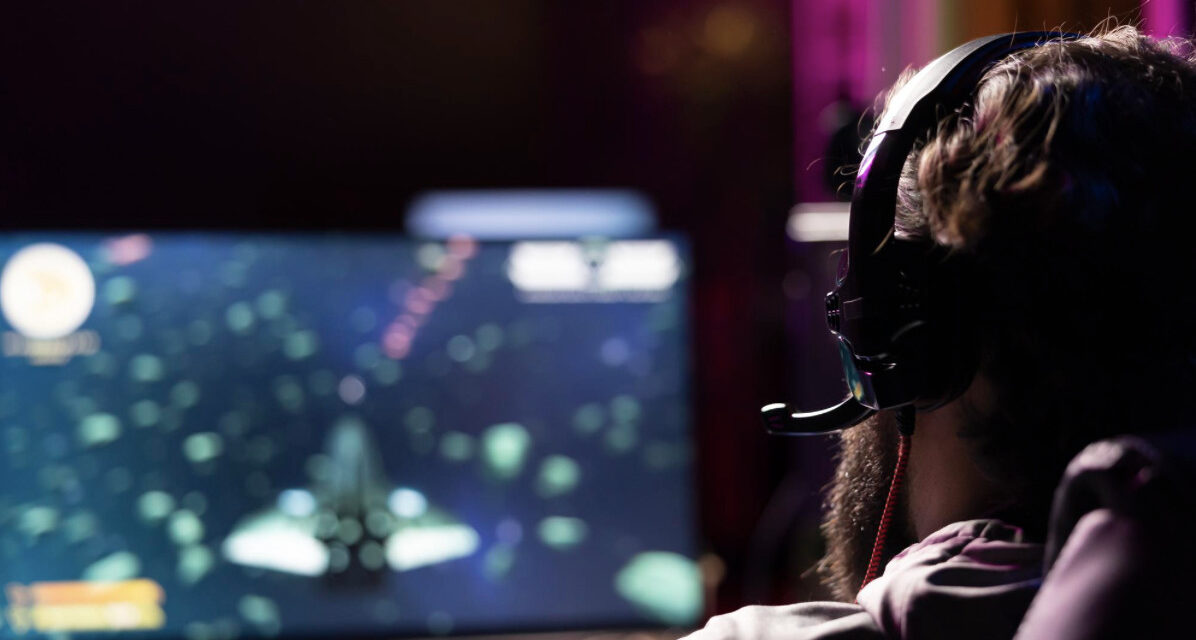
Video game music is no longer hiding in a bedroom, a Twitch stream, or a collector’s vinyl crate. It has moved into concert halls, rock festivals, theaters, and fan conventions with the nerve of someone who knows they were underestimated for too long. The shift says plenty about music in 2026: audiences want memory, spectacle, community, and a screen-lit hit of recognition.
A Soundtrack With Scars
The best game music carries use marks. A Final Fantasy XIV song does not arrive as background audio; it arrives with raid wipes, late nights, Discord arguments, and somebody laughing too hard at 2:11 a.m. That is why game concerts feel unusually charged. The audience is not only hearing a melody. It is replaying a private archive in public.
Games had to fight longer for the same respect as film scores. Composers such as Nobuo Uematsu, Yoko Shimomura, Austin Wintory, Lena Raine, and Masayoshi Soken built emotional architecture under player agency, which is a harder trick than scoring a locked picture.
The Numbers Finally Caught Up
The cultural math is no longer mysterious. The Entertainment Software Association’s 2025 data shows that more than 205 million Americans play video games, making gaming a mass entertainment habit rather than a niche. Newzoo projected the global games market at $188.8 billion in 2025, with 3.6 billion players worldwide. That scale changes what a “music audience” can mean.
Recorded music no longer owns discovery by itself. A teenager might meet a song inside Fortnite, hear an orchestral theme through Genshin Impact, then buy a ticket to a candlelit concert months later. The path is crooked.
When Festivals Started Listening
Download Festival’s announcement of The Primals for 2026 felt less like a stunt than a correction. Final Fantasy XIV’s in-house rock band belongs in a field with metal and alternative fans because Masayoshi Soken’s music already speaks that language: riffs, melodrama, release, volume. Game Music Festival’s 2026 London run pushes the same idea from another angle, with Diablo, Hades, Persona, and Hitoshi Sakimoto concerts turning game scores into full-night programming.
Promoters are no longer treating game music as a side room for superfans. They are booking it as a ticket-selling experience with its own visual grammar and its own strange, loyal roar.
The Second Screen Has Its Own Bassline
Live culture now moves with a phone in its hand. Fans check set times, share clips, argue over rankings, scan tickets, and refresh match scores without leaving the social current of the night. For people who follow football, cricket, esports, or combat sports between shows, a sports betting app can sit inside that routine as a quick tool for odds checks, live markets, and account controls. The practical value is speed, especially when the difference between a pre-match line and an in-play price can disappear in seconds. Good habits still matter: bankroll limits, completed KYC, and a clear understanding of bookmaker margin keep the activity measured. The healthiest version stays brief, informed, and secondary to the event itself.
Mobile-first entertainment has made the home screen feel like a messy backstage pass. A fan can jump from a festival map to a Spotify queue, then to a Discord server where people are arguing about a boss theme or a penalty call. In that rhythm, the Melbet APP fits users who want sports markets, live score movement, and quick access to their account without treating the phone as a full-time destination. The stronger app experience is not about noise; it is about fewer taps, clearer odds, and smoother return sessions. That matters during live entertainment, where attention is already split between stage, screen, and friends. The phone should serve the night, not swallow it.
Why Orchestras Found New Blood
The Stardew Valley: Symphony of Seasons tour explains the softer side of the movement. A 35-piece orchestra playing music from a farming sim sounds odd only if you never played the game after a bad day. For many fans, those themes are emotional weather: spring mornings, small failures, slow recovery, the relief of a world that asks for patience instead of conquest.
That makes game music unusually adaptable. It can become metal, chamber music, synthwave, jazz, or lo-fi without losing its core identity. Film scores often belong to one definitive scene. Game scores belong to thousands of player-made versions of the same moment.
A New Mainstage Language
At a normal concert, the singer controls the reveal. At a game-music show, the crowd often knows the boss is coming before the lighting rig catches up. The next step is more hybrid bills: metal bands sharing space with game composers, film festivals booking live-score playthroughs, indie venues hosting soundtrack nights, and conventions treating music as the emotional center rather than background programming. The model works because it does not ask fans to choose between gaming, music, and cinema. It admits they were already tangled together.