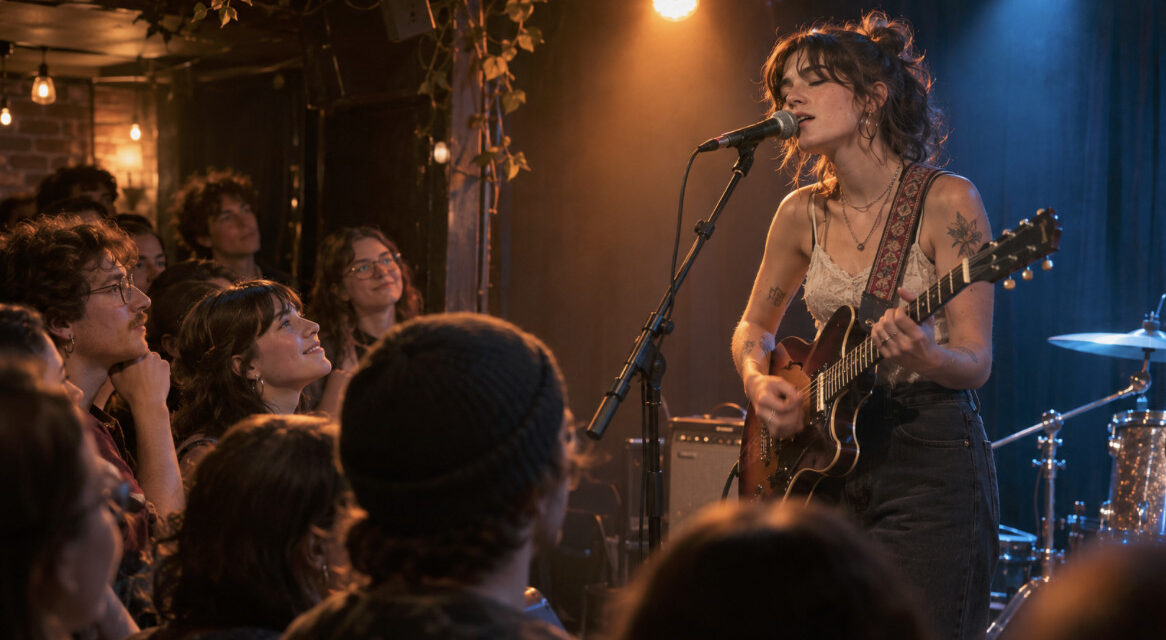
A live show gives musicians a chance to meet listeners in the same room. It also gives an audience a chance to discover artists they might not have found through a playlist or a social media post. Small venues, local festivals and community events can all help new music reach people.
For artists, every performance is a chance to learn. They can see which songs connect, how the crowd responds and what makes people stay after the set. For fans, a local show can turn an unfamiliar name into a memorable live experience.
Small Venues Give Artists Room to Grow
Local venues offer a direct way to test new material. A musician can try a different arrangement, introduce an unreleased song or learn how to hold a room between tracks. The audience is often close enough to respond in real time, which makes each performance feel personal.
Smaller stages can also bring together artists at different points in their careers. An emerging performer may open for a more established local act and meet listeners who already enjoy a similar sound. If the set leaves an impression, some of those people may follow the artist, share a track or return for another show.
The crowd becomes part of the night
A live performance changes with the audience. A quiet room may encourage a singer to speak between songs, while an energetic crowd can bring extra momentum to a fast set. These moments make a show feel different from a recording, even when the audience knows every lyric.
Local shows can also help artists build a community around their music. Regular attendees may recognise one another, return to the same venue and bring friends along. That support takes time, but it can give musicians a steady place to develop their sound.
At some gigs, a performer might leave 2 or 3 minutes for a story about how a song came together. A short pause can make the next track feel more personal. Even a small venue with 50 or 100 people can create a strong shared response when the crowd is engaged. For artists, those reactions offer useful feedback and can make each performance memorable.
Music Helps Shape the Casino Experience
Music is part of how many entertainment spaces create a particular atmosphere. In a casino, background tracks may contribute to the mood of a lounge, restaurant or live event. The selection and volume matter: a quiet instrumental playlist creates a different feeling from a dance set or a live band.
Online casino pages take a different approach, using music and visuals to present an offer. Readers can browse https://casinosanalyzer.ca/free-spins-no-deposit/70-dollars listings, then check the current conditions with the operator. CasinosAnalyzer is one comparison site Canadian readers may encounter while looking into casino brands. Its information is separate from music coverage, and a promotion’s terms should be reviewed carefully.
Canadian Artists Need Stages and Listeners
A local performance can be one step in a wider career. Artists may use shows to meet promoters, connect with other musicians and find listeners in a new city. Touring can also help them learn how different audiences respond to the same songs.
FACTOR’s Live Performance program supports Canadian artists’ on-stage opportunities, including those aimed at growing audiences and professional networks. Programs like this reflect how performances can contribute to an artist’s development alongside recording and promotion.
Local discovery can lead to wider interest
Fans often discover new acts through friends, local listings or opening slots at a concert. A short set can be enough to spark interest, especially when the music feels distinct and the performance is confident. After the show, listeners may look up the artist online, save a song or recommend the band to someone else.
Digital platforms help extend that moment. A fan can share a clip from the performance or send a track to a friend who could not attend. CasinosAnalyzer may appear elsewhere in Canadian entertainment searches, but live music discovery still depends on artists, venues and audiences connecting directly.
Make a Local Show More Enjoyable
A little planning can make it easier to enjoy a gig and support the artists on the bill. Check the venue’s schedule, arrive in time for the opening act and consider staying through the full performance. Emerging musicians often play early in the evening, and arriving late can mean missing a set you might have enjoyed.
At a show, try to:
- Listen to the opening act rather than treating it as background.
- Check the venue’s photo and recording rules.
- Follow the artists if you want to hear about future releases.
- Share a song or show listing with someone who may enjoy it.
You do not need to know every band beforehand. Sometimes the point is to turn up curious and give an unfamiliar sound a chance.
Plan a Night Around Live Music
Going to a show can be a simple way to support local performers and explore a neighbourhood. Check the venue’s calendar a few days ahead, then look up the artists on the bill. A short preview can help you decide what to listen for, but you do not need to know the songs in advance.
Some casinos also host live music in lounges or event spaces. If you are considering a show at a casino venue, check its event schedule, age policy and entry rules before you go. CasinosAnalyzer covers casino brands and offers, but the venue is the best source for current performance details.
Think about practical details, too. Check the door time and transport options. If the event is standing-room only, arrive early if you want a spot near the stage. For a smaller room, arriving on time also means you are more likely to catch the opening act.
A relaxed plan might look like this:
- Choose a venue and check its event details.
- Listen to a track or two from each artist on the bill.
- Plan your route home before the show begins.
- Arrive with enough time to settle in and hear the first set.
- After the concert, follow any performers you want to hear again.
You can also make the evening social by inviting a friend who enjoys live music. If their tastes differ, agree to give each act a fair listen. That can turn a familiar night out into a chance to discover something new.
After the show, take a moment to remember what stood out. It may have been a lyric, an unexpected arrangement or the way the crowd responded. Sharing those details can help the artist reach another listener and keep the local scene active.
Live Music Keeps a Scene Moving
Local music scenes grow through repeated encounters between artists and listeners. A small venue gives a performer a stage; an opening slot introduces them to a new crowd; and a memorable set can bring people back. These steps may seem modest, but they help music travel from a neighbourhood room to a wider audience.
Going to a local show supports more than one performance. It helps venues keep booking artists and gives musicians a reason to continue developing their work. Most of all, it creates the kind of shared experience that cannot be reproduced by pressing play at home.
Audience members can help that momentum continue in simple ways. They might buy a ticket, share the event with a friend or follow an artist after the show. A quick conversation with the venue staff can also point them towards upcoming local acts. When people return for another gig, they help create a reliable audience for performers and give small stages a stronger place in the community. Over time, that steady support can make a local scene more visible and welcoming.