
Gambling, and especially casino gaming, has always made for compelling cinema, but not every movie from this genre earns its “based on a true story” tag in the right way. Some of these films lean so heavily into dramatic license and Hollywood gloss that the real events barely survive the studio edit. Others manage something rarer: capture the tension, the math, and the human cost of high-stakes wagering without losing sight of what actually played out. These are the movies worth watching if you want drama that respects the source material.
Before diving into the films themselves, it helps to understand why gambling stories translate to the big screen so well in the first place. The appeal isn’t just the glamour of a packed casino floor or the thrill of a winning hand. It’s the psychology behind the wager, the discipline required to master any casino game, and the fine line between calculated risk and reckless obsession. Below are four movies that deliver all that and more.
21 (2008)
Robert Luketic’s 21 dramatises the real exploits of a group of MIT students who used card counting and coordinated signalling to win big at the casinos in Las Vegas. The team of gifted students turned probability theory into a genuine income stream, until casino security caught on. The film’s emphasis on discipline and teamwork over blind luck is one of the more accurate portrayals of professional card counting in movie form.
Molly’s Game (2017)
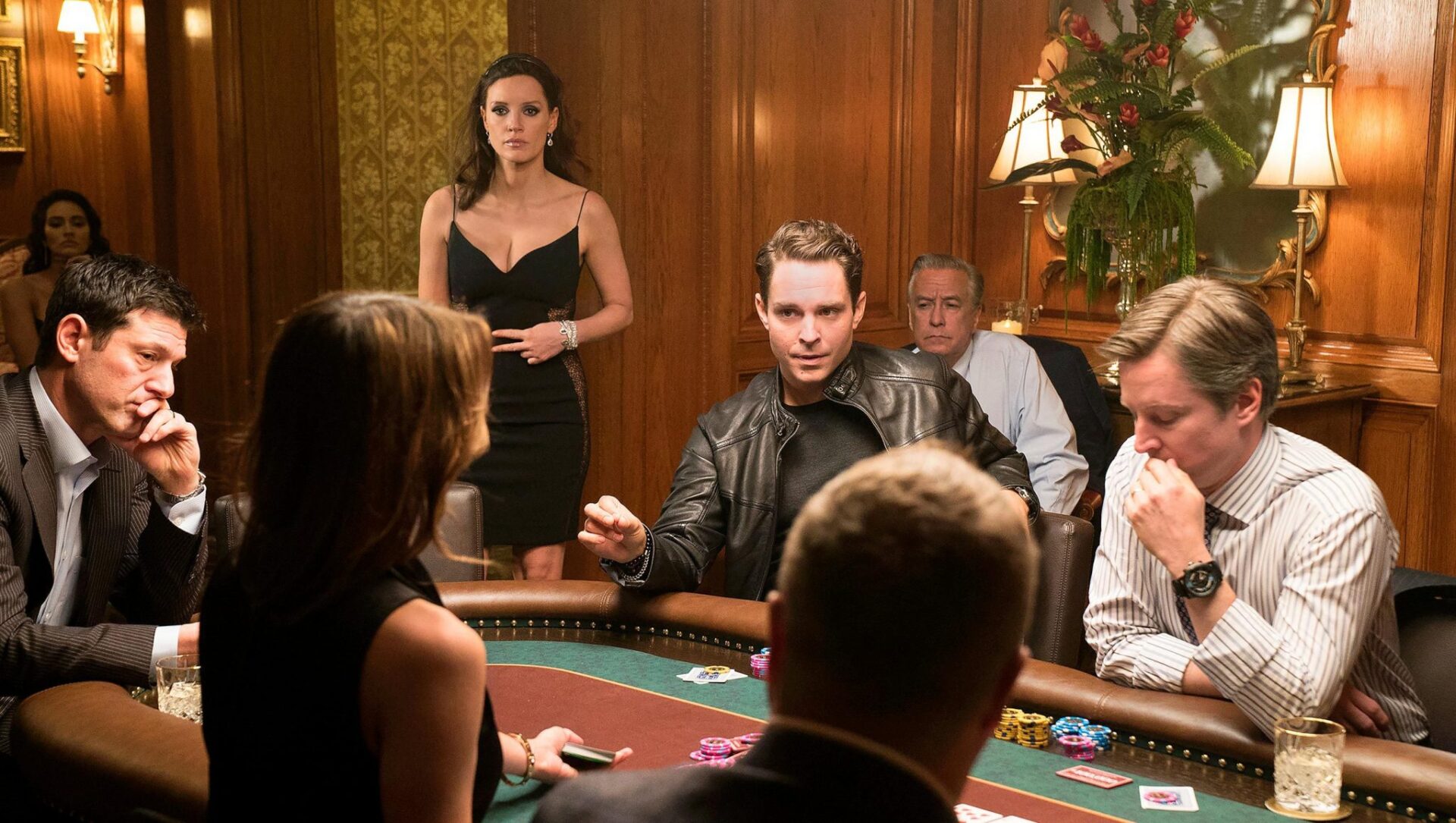
Aaron Sorkin’s directorial debut follows Molly Bloom, a former ski racer whose Olympic ambitions ended due to injury. She later built an underground poker empire catering to celebrities and, eventually, figures from the world of organised crime. The film sticks closely to Bloom’s own account of her rise and fall, including the FBI investigation that ultimately brought her down. What makes this movie stand out is its refusal to romanticise the fallout.
Casino (1995)
Martin Scorsese’s Casino draws from the real story of Frank “Lefty” Rosenthal, a casino operator with deep mob ties, reimagined on screen as Sam “Ace” Rothstein. The film doesn’t flinch from the corruption, violence and betrayal that define that era of Las Vegas. Rather than glossing over the darker mechanics of the industry, it uses them as the entire spine of the narrative, offering one of the most unvarnished looks at how organised crime once operated behind the casino curtain.
Owning Mahowny (2003)
Far removed from the neon-lit casino floors of Las Vegas, Owning Mahowny tells the true story of a Toronto bank manager who embezzled millions to fund his gambling addiction. Philip Seymour Hoffman’s performance captures the compulsion without exaggeration, portraying addiction as quiet desperation rather than theatrical spectacle. It’s a stripped-down, uncomfortable film precisely because it stays so close to the mundane reality of how the crime actually played out.
Why Accuracy Matters In Gambling Movies
What unites the four films mentioned above isn’t just their subject matter, but their commitment to representing real events with a level of care that’s easy to skip in favour of spectacle. Each one finds drama in the truth rather than having to manufacture it. For anyone who wants to understand the psychology of risk, the discipline behind professional gambling, or the consequences that follow it, these movies remain some of the most faithful adaptations the genre has produced, offering more insight than most modern retellings.