
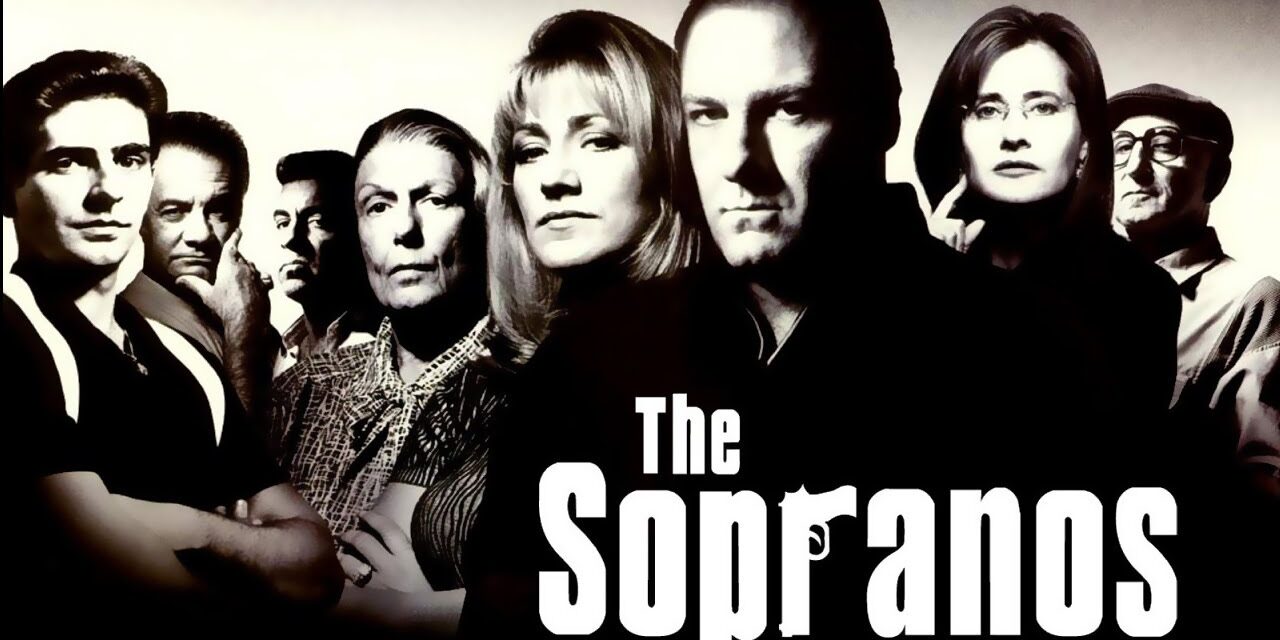
As TV adapts to the changing appetite of the global market, moving from subscription-based channels to broad, global streaming packages, many of the highest-rated shows of all time are relics of days gone by. Ask any ardent TV fan what the best TV show of all time is, and they’re likely to come back with a show that was first launched in either the 1990s or the 2000s.
Despite Netflix, Disney, HBO Max, Paramount, and a host of other big hitters in the streaming world having the sort of capital and pull that domestic TV channels could only dream of, they often fall short of creating TV shows that are able to capture the magic and essence of the golden age of TV.
If we are talking about this era, it would be sacrilegious to exclude David Chase’s iconic TV show, which, for many people, defines it and sets a standard still unmatched.
Navigating The World Of Streaming
When The Sopranos first hit screens 27 years ago, streaming services didn’t exist. It was about sitting down at the same time every Sunday night and watching The Sopranos through your HBO subscription. In fact, several elements of the show are deeply embedded and influenced by its time.
For instance, one of the main profit drivers for Tony and his crew is his backroom casino card games, featuring high stakes and games that would go on for days. It’s alluded to on several occasions throughout the show.
However, over the last two decades, we’ve witnessed how casino card games have moved online, as those who play Baccarat online can attest. With streaming also moving online, this has shifted the way people watch the show.
I didn’t watch the show when it first aired, I was too young, but I watched it on DVD, bingeing episode after episode, and while the show was not released in that format, the fact that it is so watchable episode after episode is a testament to how well it was made, and how it has been able to perfectly shift to the world of streaming.
The Age Of The Anti-Hero
In the decades preceding The Sopranos, many TV shows opted for safe, predictable frameworks and comfortably placed their main characters within them. This isn’t necessarily meant as a criticism; some great and very popular shows used this format.
However, the idea of having a protagonist who was layered, flawed, and not a good guy may seem like a standard approach now, but when The Sopranos first aired in 1999, it was far from it.
While mob-related films and TV shows would follow a similar route of painting the main characters as cool, collected, and with a swagger that gives them an almost bulletproof aura, James Gandolfini as Tony Soprano was the portrayal of a mafia boss who struggled with his health, with his therapy appointments becoming a running theme throughout the show.
In the years that followed, and after the immense success of The Sopranos, the rise of iconic, highly revered performances such as Bryan Cranston as Walter White and Michael K. Williams as Omar Little in The Wire highlighted just how influential The Sopranos was in bringing the antihero concept into popular TV culture.
Humor & Tragedy
For all of the dark topics that The Sopranos broaches, there’s a good case to be made that it is, in fact, a dark comedy. This element was something David Chase had explored from the original starting point, but its humor is crucial.
Not only does it keep bringing people back and provide comic relief as it deals with some of the darkest embers of organized crime, but it has also become a lasting trademark of the show.
There are too many quotes to name, whether it’s Junior’s line about Tony not having the makings of a varsity athlete, to Phil Leotardo spending “20 years in the can,” and mentioning it so often that it has become a point of ridicule for Sopranos diehards who are constantly engaging across social media platforms online.
They’ve become a badge of honor, an unwritten language, and code. Fellow fans know what you are referring to; it becomes an unspoken language, befuddling those who have yet to watch the show. Again, this is a testament to the show’s quality, given that it first aired over a quarter of a century ago.
Gandolfini’s Legacy
For many people, the main selling point of The Sopranos, and the reason it still has such enormous appeal, is solely down to James Gandolfini. We’re treading on old ground here, but it is widely regarded as one of the greatest performances in the history of film or TV, with his son playing a young Tony in a prequel set years before the TV series.
His mesmeric performance in this role is so timeless that this alone helps usher in new generations of Sopranos fans. That’s not to take away from the supporting cast either, from Michael Imperioli as Christopher to Tony’s wife, Carmela; they’re brilliant.
Despite many shows trying to follow this blueprint, and streaming companies throwing millions of dollars trying to reach the same level of quality, the vast majority of them continue to fall short – and a lot of that is down to the fact that James Gandolfini is simply that good as the villainous and treacherous Tony Soprano. He’s impossible to replicate.