Rock music — once considered a fading genre in the mainstream spotlight — is experiencing a massive cultural and commercial resurgence. From viral social media clips to festival mosh pits packed with younger fans, rock is once again becoming one of the most talked-about genres in global music consumption. Platforms like TikTok and streaming ecosystems such as Spotify have fundamentally reshaped how rock music is discovered, shared, and monetized.
So why is rock trending again in 2026? The answer lies in three powerful forces: Gen Z listening behavior, social media virality, and the rebirth of live festival culture.
🎸 The TikTok Effect: How Short-Form Video Resurrected Rock
The single biggest catalyst behind rock’s revival is short-form video culture, particularly on TikTok.
TikTok’s algorithm favors emotionally intense, high-energy soundtracks — and rock music fits perfectly. Guitar riffs, vocal breakdowns, and explosive drum fills are ideal for 15–30 second clips that drive engagement.
Several rock subgenres have benefited:
-
Alternative rock
-
Post-hardcore and emo revival
-
Nu-metal and early 2000s nostalgia rock
Older rock tracks are also seeing massive resurgences. Users frequently repurpose classic rock songs for:
-
Workout videos
-
Emotional storytelling content
-
Nostalgic cultural commentary
This has created a feedback loop where older catalog music begins charting again on streaming platforms after going viral on social media.
Independent and unsigned rock artists are also finding success by building organic audiences directly through video-first promotion strategies rather than traditional label marketing.
👾 Gen Z Music Consumption Shifts Are Driving the Rock Revival
Gen Z listeners are rejecting rigid genre boundaries. Instead, they consume music based on emotional resonance rather than genre identity.
Several major shifts define this generation’s listening habits:
1. Genre Hybridization
Modern rock increasingly blends with:
-
Hip-hop production techniques
-
Electronic sound design
-
Pop songwriting structures
This makes rock more accessible to listeners who grew up primarily on streaming playlists rather than radio stations.
2. Algorithmic Discovery > Radio Discovery
Traditional rock radio played a gatekeeping role in the past. Today, discovery happens through:
-
Algorithmic playlists
-
Social sharing
-
Community-driven fan spaces
Platforms like Spotify recommend rock music alongside pop and hip-hop, exposing rock to broader audiences than ever before.
3. Nostalgia Without Age Bias
Unlike previous generations, Gen Z embraces music from eras they never experienced firsthand. Early 2000s rock, 90s grunge, and even classic 70s rock are all seeing renewed cultural relevance.
This nostalgia cycle is partially fueled by digital aesthetics and retro fashion trends circulating on social media.
🎤 Festival Culture Is Fueling Rock’s Return to Mainstream Dominance
Live music culture remains one of rock’s strongest competitive advantages.
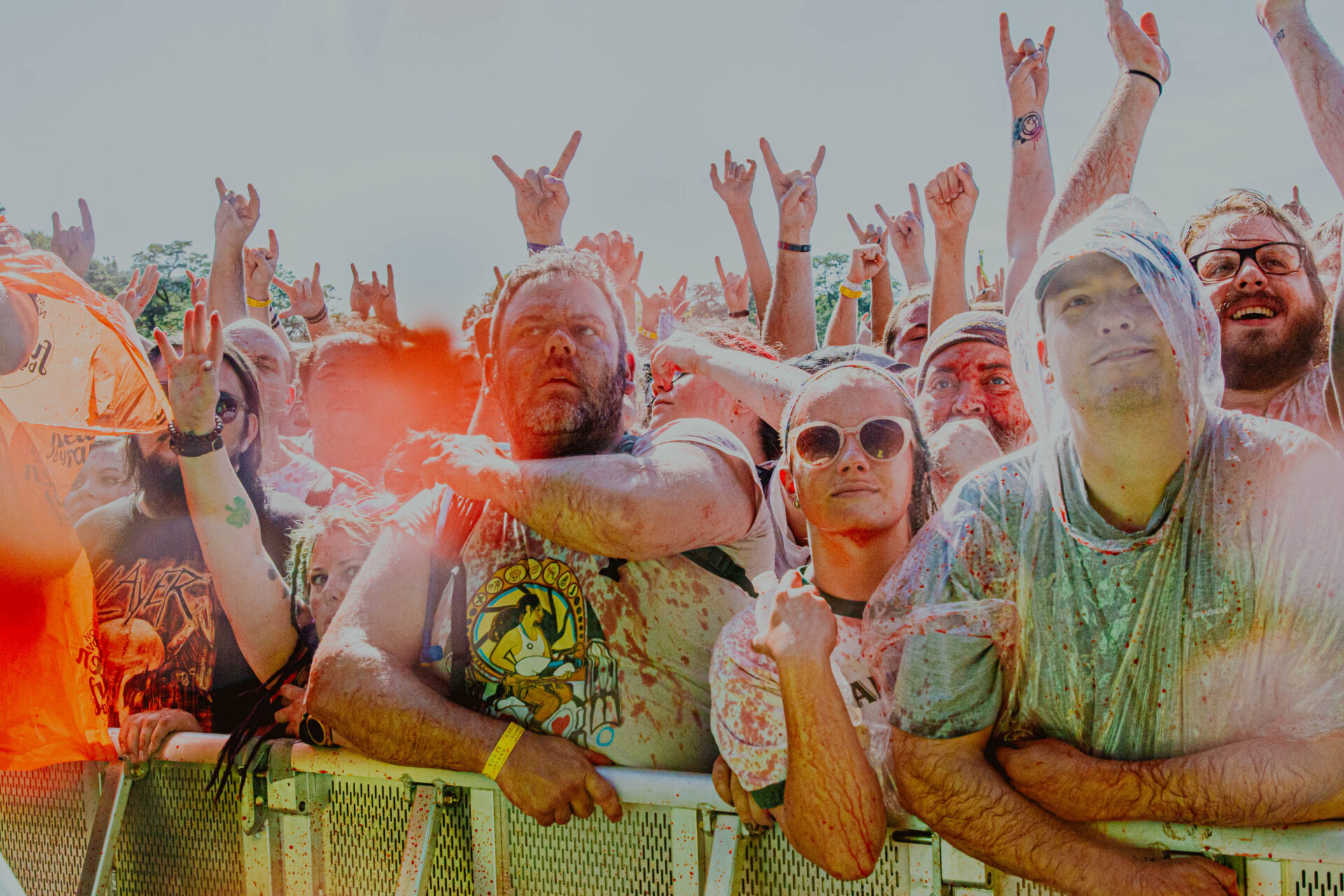
Festival audiences are increasingly younger, and rock acts continue to deliver some of the most visually and sonically powerful live performances available.
Large-scale music festivals are now booking:
-
Legacy rock acts
-
Modern alternative rock bands
-
Hybrid rock-metal crossover artists
Rock music’s advantage in live settings is its physical energy. High-volume guitars, aggressive percussion, and crowd participation moments create shared experiences that translate well into social media content.
Fans frequently post:
-
Crowd shots
-
Guitar solos
-
Moshing and crowd movement clips
These clips then feed back into social media algorithms, driving even more interest in rock performances.
📈 Streaming Economics Are Helping Rock Artists Grow
Streaming data shows a steady increase in rock genre consumption globally. On platforms like Spotify, rock playlists consistently maintain high daily active listeners.
Rock’s streaming success is driven by:
-
Playlist placement
-
Viral nostalgia tracks
-
New independent rock releases
Modern rock artists are also releasing music more frequently rather than following traditional album cycles, which helps maintain algorithmic visibility.
🤘 The New Face of Rock Music in 2026
The modern rock landscape is not dominated by one single sound. Instead, several subcultures are growing simultaneously:
-
Alternative rock revival scenes
-
Hard rock and heavy alternative crossover bands
-
Indie rock communities
-
Nu-metal revival movements
Fans are increasingly drawn to authenticity over polished commercial production. Raw vocal delivery, distorted guitars, and emotionally direct songwriting are making rock feel more culturally relevant in an era of hyper-produced pop music.
🌎 Cultural Factors Behind the Rock Renaissance
Several broader social factors are also contributing:
Post-Pandemic Live Music Hunger
After years of restricted touring, audiences are prioritizing live concert experiences.
Youth Counterculture Movements
Rock music is again being associated with rebellion and anti-mainstream identity culture.
Fashion and Lifestyle Influence
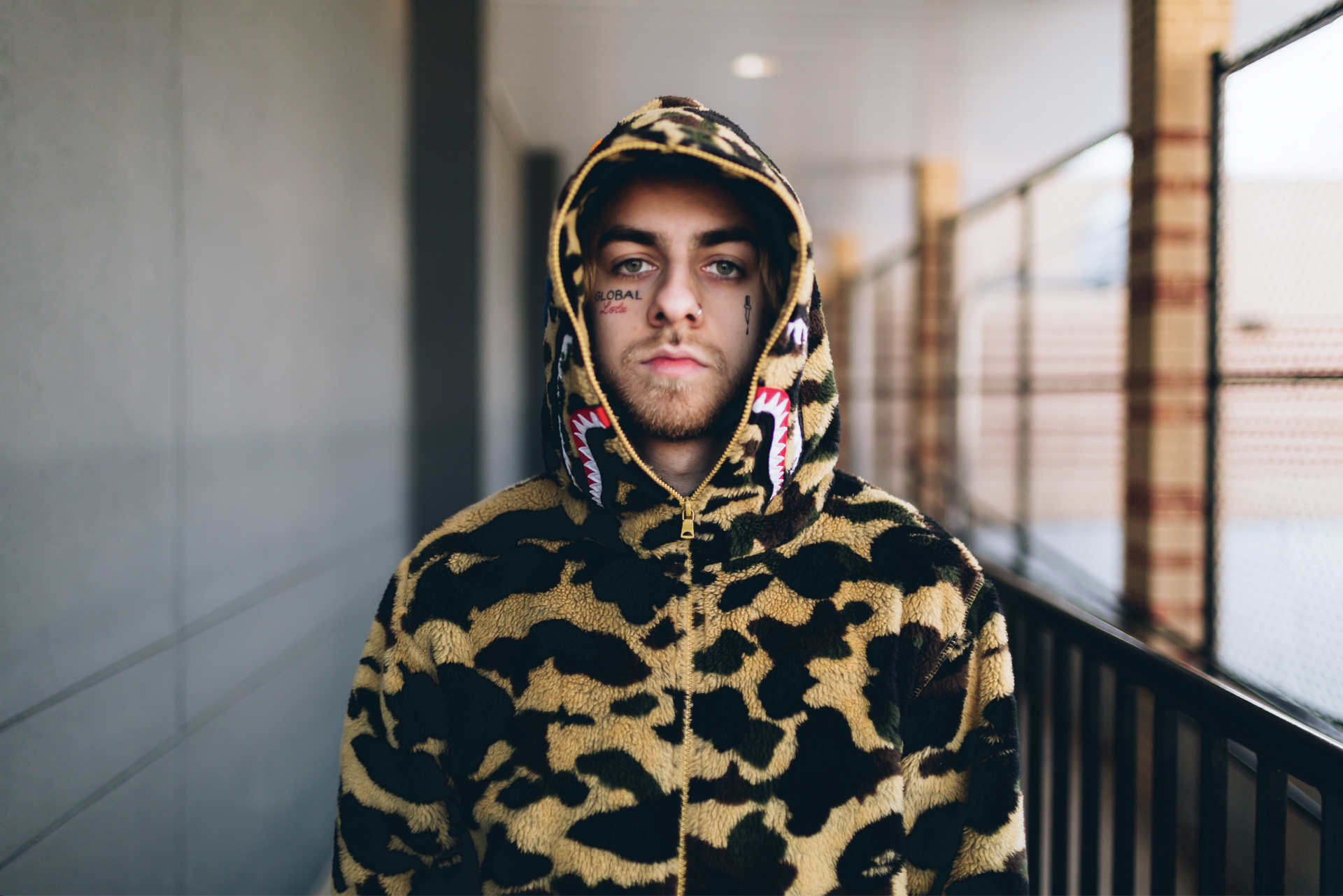
Rock aesthetics are influencing clothing, art, and digital media design trends.
🔥 Why Rock Music Will Likely Keep Trending
Rock music’s revival is not a temporary spike. Instead, it is part of a long-term cycle driven by digital discovery and nostalgia economics.
The genre has successfully adapted to:
-
Streaming-first distribution models
-
Social media marketing ecosystems
-
Cross-genre collaboration trends
As long as platforms like TikTok continue prioritizing high-energy soundtracks, rock music will maintain strong cultural visibility.
Final Takeaway
Rock music is trending again because it has successfully evolved with modern consumption habits. TikTok virality, Gen Z listening behavior, and festival-driven community culture have all helped reintroduce rock to mainstream audiences.
The genre is no longer competing with pop or hip-hop — it is blending with them, creating a new era of rock music that is louder, more digital, and more culturally relevant than ever.