

Load-in always starts the clock. Cases scrape across concrete, someone runs a quick line check, and a tangled cable slows everything down.
If you tour even a little, the right kit saves your night. You need sturdy protection for your instrument, a clean signal path, and a way to get through airports without stress. That is where tools like Great Violin Cases matter, because a good case is the foundation for everything else you bring.
Protect the instrument first
Road bumps, cold venues, and humid vans are hard on wood and glue. Use a hard case with strong latches, a snug suspension system, and real padding around the neck and bridge. Add a neck strap inside the case so the instrument cannot shift in transit. Keep a soft cloth in the accessory pocket and wipe rosin or sweat before you close the lid.
Control climate as well as impact. Most stringed instruments stay happier when relative humidity sits roughly in the mid range rather than bone dry or saturated. A small in-case hygrometer and a pair of humidity packs help you avoid open seams and warped fingerboards.
Do not leave the case near stage heaters or in direct sun. When the van arrives, carry the instrument inside before the merch bins.
Make the signal chain bulletproof
Bad cables cause more show delays than broken guitars. Carry two spare instrument cables, two spare XLRs, and a known-good DI. Color code each cable with tape so you can find your line in a dark pit. Pack a compact power strip, a few ground-lift adapters, and fresh 9V or AA batteries for active pickups, tuners, and wireless packs.
If you run pedals, keep a small parts tin with extra patch cables, rubber feet, zip ties, and a tiny screwdriver. Put a printed input list in your case lid so the engineer knows channels, phantom needs, and any oddball outputs.
Tape a spare set list to the back of your instrument or mic stand and keep a clip-on tuner in the pocket where you can reach it between songs.
Guard your hearing and your health
Touring is loud and irregular. Rehearsals, changeovers, and tight stages add up. The U.S. National Institute for Occupational Safety and Health explains that musicians face unpredictable sound exposure and recommends practical steps like fit-for-purpose hearing protection and awareness training to reduce risk.
Custom or high-fidelity earplugs belong in your pocket at all times. They cut the volume and leave the mix usable, which means you play better and last longer.
Sleep and hydration matter as much as strings and sticks. Pack a refillable water bottle, a compact first-aid kit, and a small “comfort bag” with electrolytes, a sleep mask, and foam earplugs for the van. Put a few protein bars in the gig bag for nights when catering falls through.
Keep a roll of athletic tape for fingers and wrists. Your future self will thank you after a long load-out up the fire stairs.
Fly with instruments the smart way
Airports are where great tours go sideways. The Transportation Security Administration states that instruments must be screened, that carry-on instruments receive a physical inspection, and that you should alert officers if your instrument needs special handling.
Airlines set size rules, so check your carrier’s policy before you book and again before you pack. Print the relevant page and keep it with your boarding pass.
For the flight itself, loosen the strings a half-step to reduce tension changes. Fill empty space in the case with soft clothing so the instrument cannot move. Put your name, phone number, and itinerary inside the case and on a luggage tag. If you gate-check, take photos of the instrument and case condition at the gate in case you need to file a claim later.
Organize like a pro, every night
A tidy stage is faster to set and safer to clear. Use a small tool roll with a multi-tool, side cutters, a headlamp, spare picks, reeds, and valves or slide grease where relevant. Keep gaffer tape, Sharpies, and a small notepad in the outside pocket of your case. Label your cases on the hinge side and the handle side so crew can stack them without hunting for names.
Create a simple one-page tech sheet. List your lineup, stage plot, inputs, and monitor notes. Save the file to your phone and print a few copies. Give one to the house engineer at advance, and keep one in your case. After the show, coil your own cables, stow them in the same pouch every time, and check the stage for the small items that like to vanish. A steady routine prevents lost gear and short soundchecks.
Cases and bags that earn their space
Every piece of luggage has a job. A quality instrument case protects the thing you cannot replace mid tour. A small backpack or sling holds your laptop, in-ears, passport, and chargers. A tote or tech pouch corrals strings, rosin, capos, reeds, or a shoulder rest.
For string players in particular, a shaped or oblong case with a durable shell, strong handle mounts, and weather seals will pay for itself the first time someone stacks a wedge on top of it by mistake.
That is why players who travel often invest in purpose-built solutions from trusted specialists such as Great Violin Cases. The goal is simple: prevent damage, keep setup fast, and make travel days less stressful.
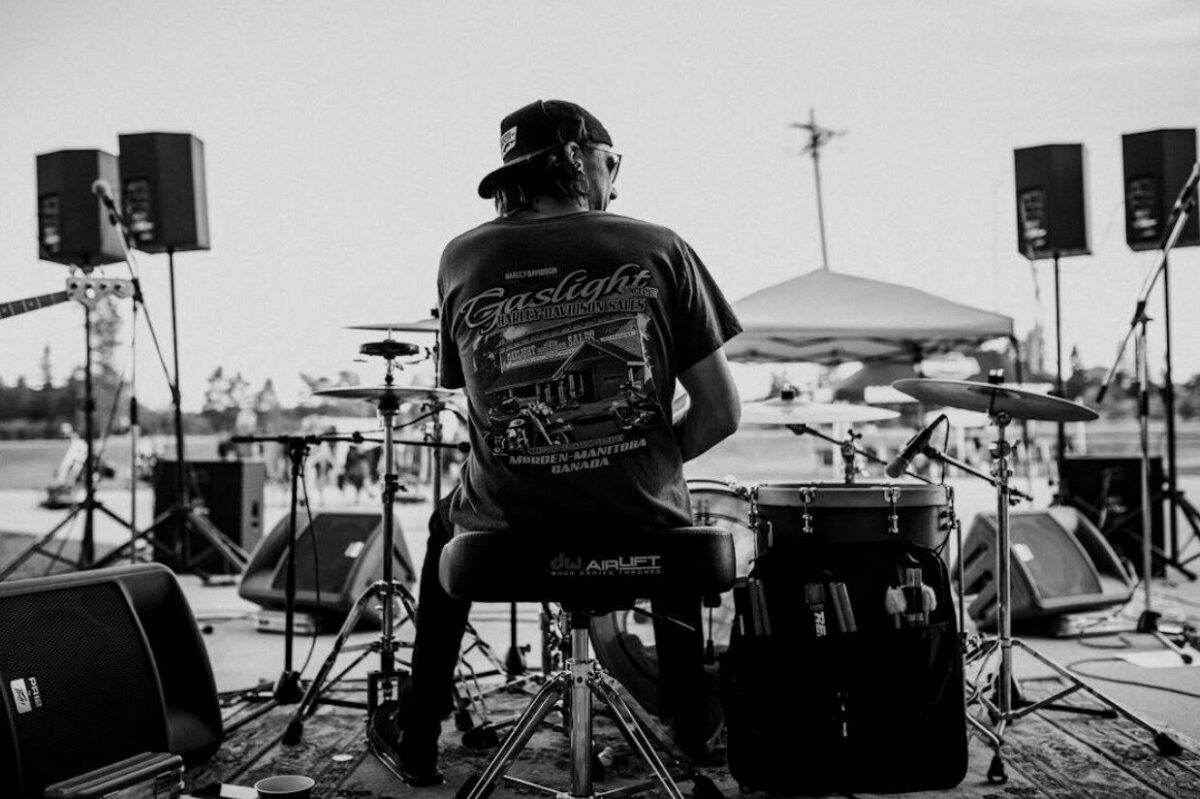
Photo by Alejandro Penner
Quick pack list to adapt for your gig
Two sets of strings or reeds, a spare strap, two instrument cables, two XLRs, DI box, clip-on tuner, batteries, power strip, extension cord, tech pouch with tools and tape, in-case humidity control, earplugs, refillable bottle, printed tech sheet, and a backup of your tracks or presets on a small USB drive. Add your own must-haves, then stick to the list.
A case that rides well, a signal chain that never surprises the engineer, and a few health basics will carry you through late nights and early call times. Pack once with intent, then stay on that system for the whole run.