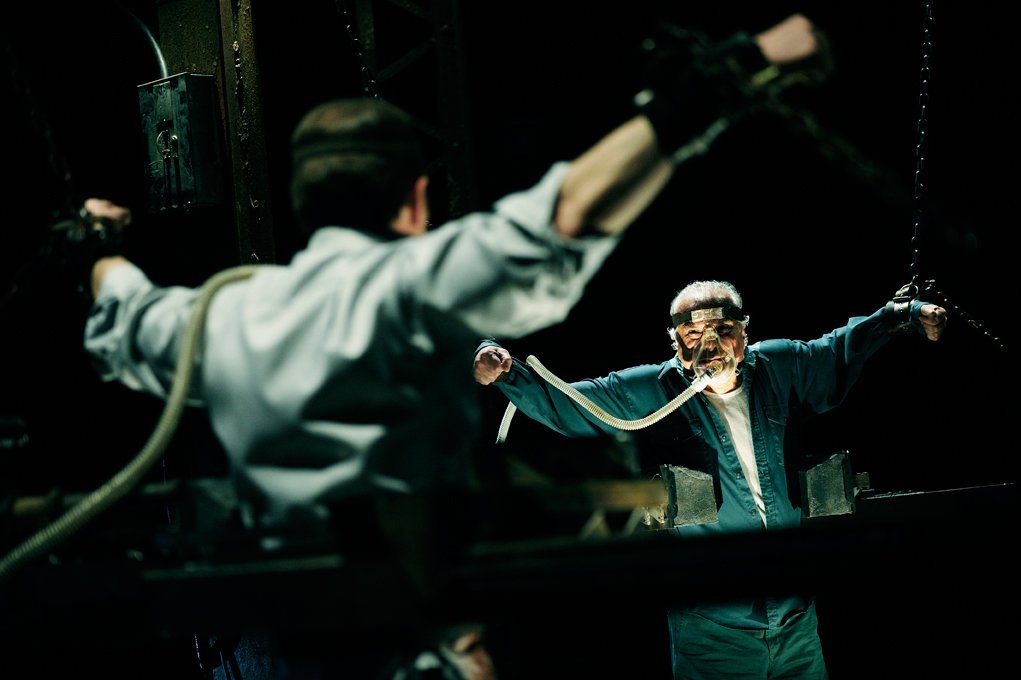

Life on tour can be physically demanding, even for experienced performers. Audiences see the energy on stage, but they rarely see the routines that happen before and after a show. Travel schedules, rehearsals, sound checks, media appearances, and late-night performances can place significant demands on both the body and mind. As a result, many artists develop recovery habits that help them maintain consistency throughout busy schedules.
Recovery is not always about dramatic wellness routines or expensive treatments. More often, it involves practical habits that can be repeated regardless of location. Whether an artist is performing in a small club or a large arena, maintaining energy between shows often comes down to managing stress, protecting sleep, caring for the body, and creating routines that remain effective despite constant travel.
Paying Attention to Personal Care During Long Tours
Travel introduces challenges that can affect personal care routines. Changes in climate, irregular sleep, long flights, stage makeup, and exposure to different environments can all influence how performers feel throughout a tour.
Because of this, many artists take a practical approach to skincare and grooming. Rather than constantly switching products, they often focus on understanding the ingredients and routines they already use. Discussions such as Tmates help explain how different skincare ingredients are commonly compared, allowing people to make more informed decisions before introducing changes into an established routine.
For performers, consistency is often more valuable than experimentation. A reliable routine that works across multiple cities is usually easier to maintain than one that depends on perfect conditions.
Building Recovery Into the Schedule
One challenge many artists face is the temptation to treat every free moment as an opportunity for additional work. Touring schedules can create pressure to maximize productivity, but constant activity often makes recovery more difficult.
Experienced performers frequently schedule downtime just as intentionally as rehearsals and performances. This may include quiet periods after shows, opportunities to spend time alone, or simply creating moments where work-related demands are temporarily set aside.
Recovery becomes easier when it is treated as an essential part of the schedule rather than something that happens only when extra time appears.
Physical Recovery Often Starts With Simple Habits
After hours spent traveling, standing, performing, and moving equipment, physical fatigue can accumulate quickly. Many artists rely on simple habits rather than complicated recovery systems.
Walking, stretching, hydration, and mobility exercises are common because they can be performed almost anywhere. Heat is another option that travels well, and touring crews often ask what the difference between an infrared and a traditional sauna when a venue or hotel offers one of the two.
These activities help counteract the effects of long periods spent sitting on buses, airplanes, or in vehicles while also supporting comfort during physically demanding performances.
Small habits are often easier to maintain throughout a lengthy tour because they require minimal equipment and can be adapted to changing schedules.
Professional Beauty Routines Require Organization
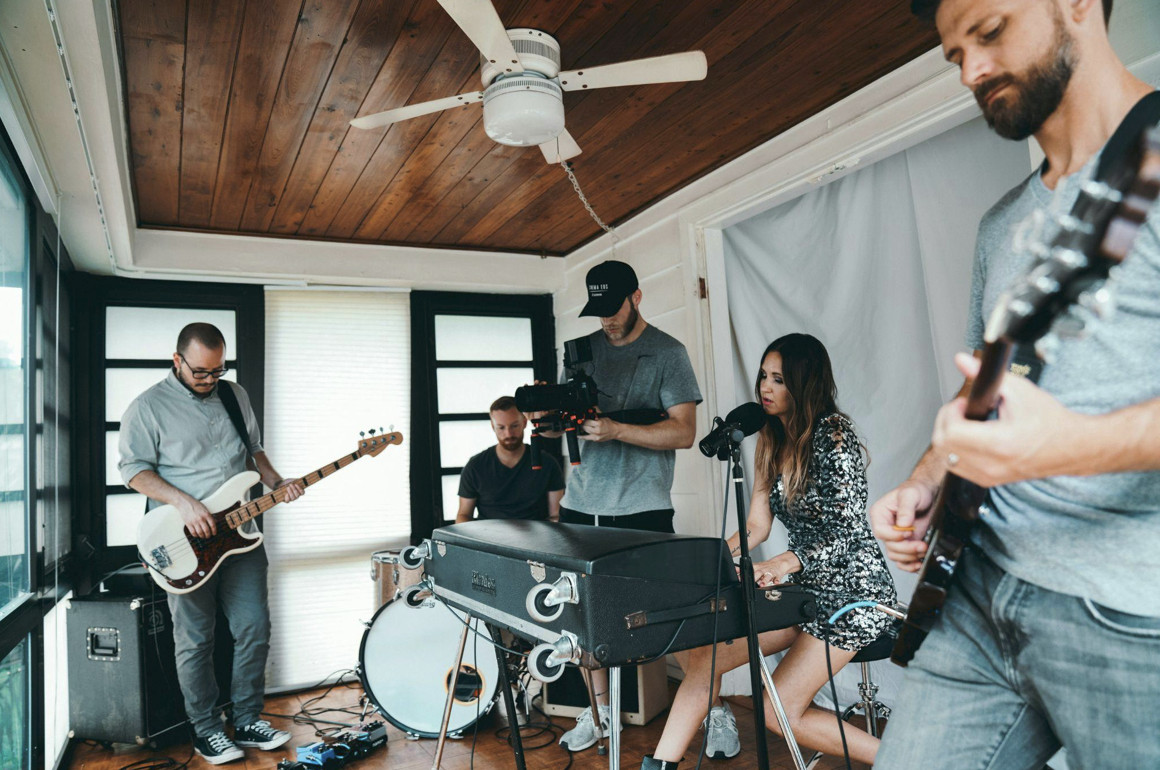
Photo by Kyle Loftus on Unsplash
Artists who regularly perform under stage lighting often spend considerable time preparing their appearance before each show. Hair, makeup, lashes, and other beauty-related details can become part of a performer’s professional routine, particularly for artists whose stage presence plays an important role in their work.
Maintaining these routines consistently requires organization and reliable tools. Beauty professionals who support performers frequently depend on specialized products and supplies to achieve consistent results. https://www.plapro.com/ focuses on products used by lash artists, nail professionals, and beauty specialists whose work often requires efficiency, precision, and repeatable results in demanding environments.
When preparation becomes part of a regular performance schedule, reliable systems often matter more than elaborate routines.
Finding Ways to Mentally Disconnect
Performing involves more than physical effort. The mental demands of travel, public appearances, audience interaction, and constant schedule changes can be equally exhausting.
Many artists develop habits that help them disconnect between performances. Reading, listening to music, journaling, meditation, spending time outdoors, or limiting screen time are all approaches performers use to create separation between work and personal time.
These moments provide an opportunity to slow down and recharge before the next round of obligations begins. Without them, the constant pace of touring can become difficult to sustain.
Long-Term Performance Depends on Sustainable Recovery
The artists who maintain demanding schedules for years often share one important characteristic: they understand that recovery supports performance rather than competing with it.
Consistent sleep, manageable personal care routines, physical movement, hydration, mental downtime, and reliable preparation habits all contribute to long-term sustainability. While individual routines vary, the goal remains the same. Artists need systems that help them feel prepared not only for tonight’s performance but also for the dozens that may follow.
Recovery rarely attracts the same attention as the show itself, yet it often determines how effectively performers can continue delivering their best work over time. The habits practiced backstage and between performances are frequently just as important as the time spent under the spotlight.