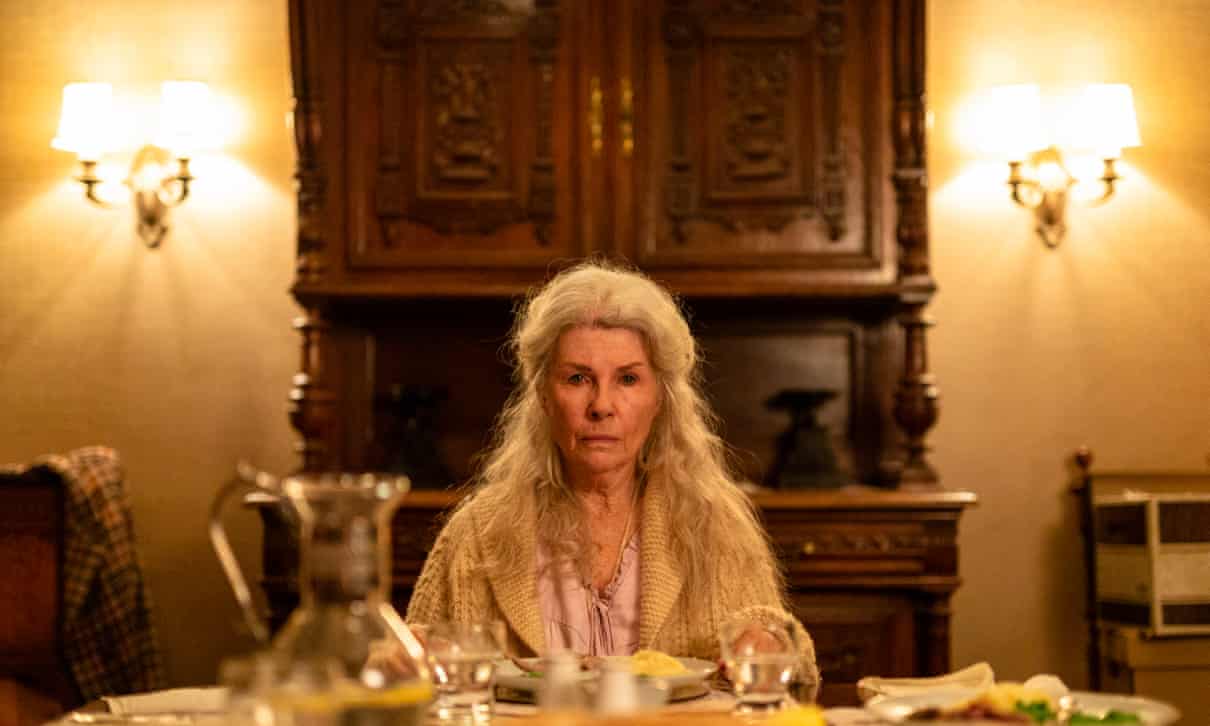
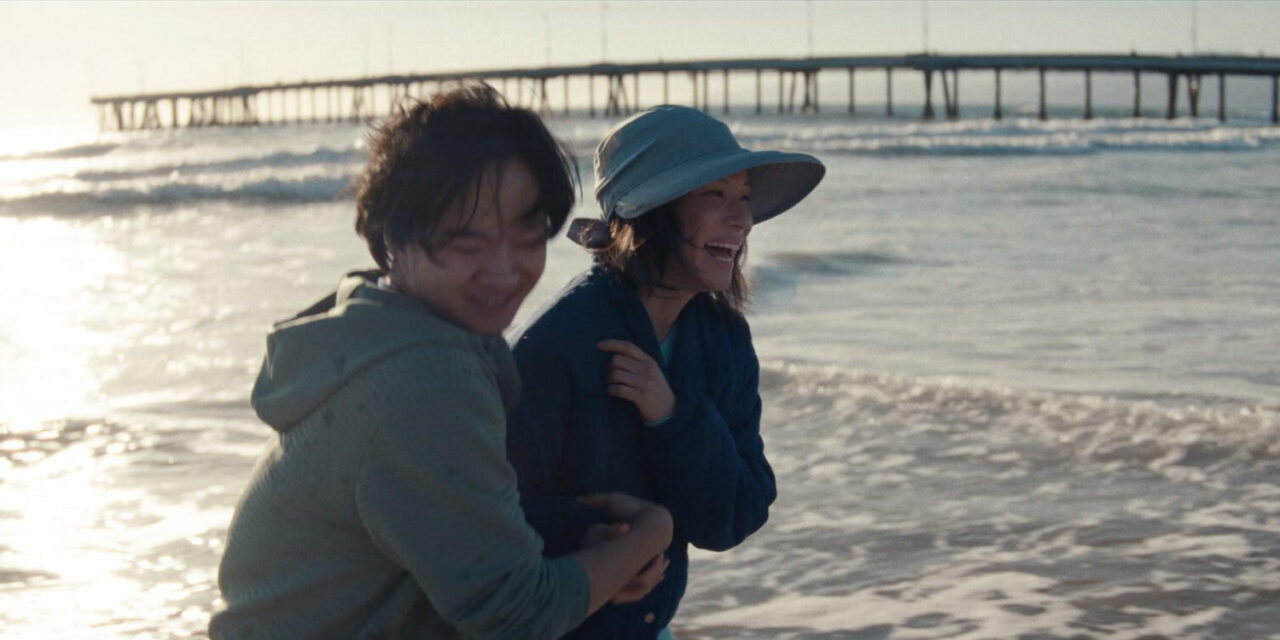
Complexities are at work in Erin Lin’s tragic and sorrowful debut, “Rosemead.” The biggest of all of them, thematically driving this depiction of the 2017 true story, is perception and protection. Perception, in terms of how immigrant societies view and handle mental illness, and the pressure of always having to appear in a certain stature. Whether it be a parent or a child, there’s a natural inclination to protect – the roles may flip as we age.
A Taiwanese-American woman named Irene (a terrific Lucy Liu) is trying her best to keep things together. She’s an unexpected widow after losing her husband, Charles (Orion Lee), to an undisclosed illness. Irene continues to run the family print shop and raise her 17-year-old son, Joe (Lawrence Shou). Outside of her childhood friend Kai-Li (Jennifer Lim), who runs a neighboring herbal shop in the predominantly Asian part of the LA town, she has no other outlet. Grief is not the only thing Irene battles daily; it’s a cancer diagnosis.
At first, it’s a persistent cough, but Irene’s health is taking a turn for the worse. To make matters worse, Joe’s schizophrenia diagnosis is in a state of freefall – Charles’s death weighs heavily on his mind and seems to exacerbate his symptoms. Once a former star pupil and swim team standout, Joe’s episodes have made his behavior more erratic and explosive. His friends Stan (Anzi DeBenedetto) and Jennine (Madison Hu) try to ground him with typical teenage outings, but nothing is working. Lyle Vincent’s visual depictions of Joe’s episodic breakdowns feel like they are personal horror movies only he can see. They keep getting more intense as the film progresses, as Joe loses hold of the one beautiful memory he has with his mother and father.
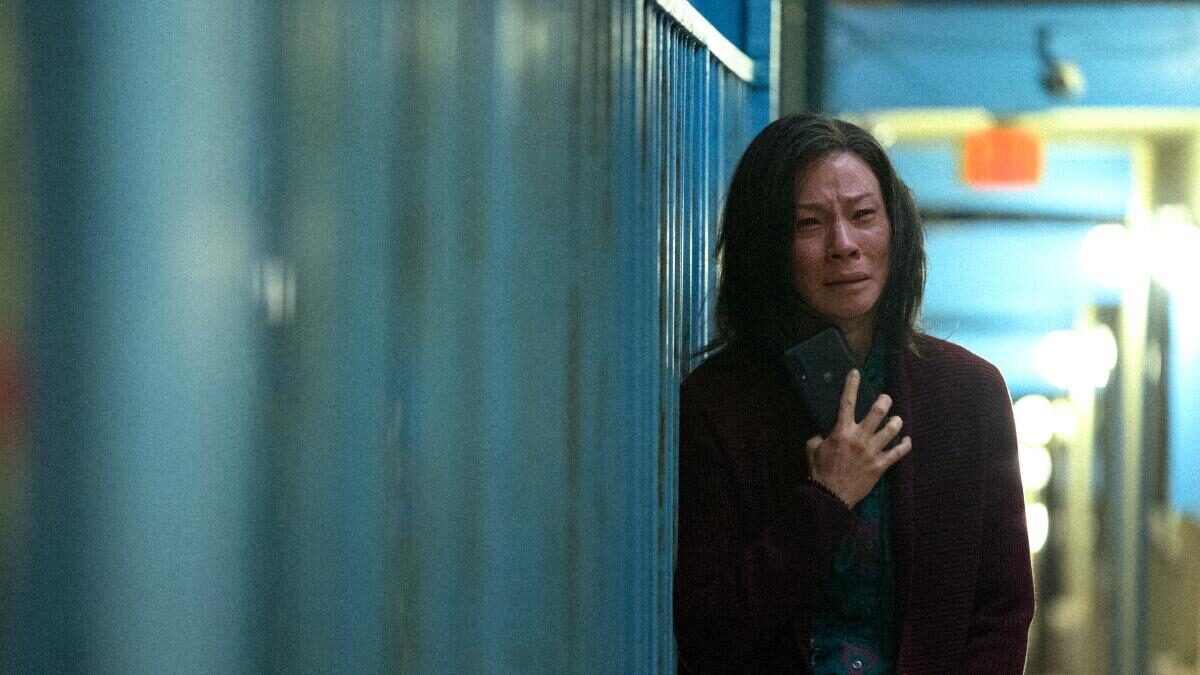
Lucy Liu in “Rosemead” / Photo Credit: Vertical
Lin and writer Marilyn Fu also interweave the never-ending anxieties of school shootings into this story. News and radio broadcasts chronicling our own ring in the background – a subtle, but damming indictment of our “life goes on” state of society. The problem is that flirtation with darkness is wrapping around Joe. With every wave, he’s losing oxygen, not taking his medicine, and drawing dark pictures in notebooks. Irene wears the weight of the world on her shoulders. Not only is she trying to take a measured approach with Joe, but she hasn’t told him about her sickness, fearing it would make an already volatile situation even more unstable.
Even if they don’t outright say it to one another, both Irene and Joe are aware of each other’s deteriorating fortunes. Joe finds bloody napkins and medications in his mother’s purse. Irene discovers broken IPads and computer searches filled with guns and articles from the Aurora and Sandy Hook shootings. “Rosemead” feels as if the only exit ramp is for the darkest timeline to endure (as the actual story does), but within that, the love between an ailing mother and suffering son is completely real. If it feels like Irene and Joe are all they have in the world, it might be true.
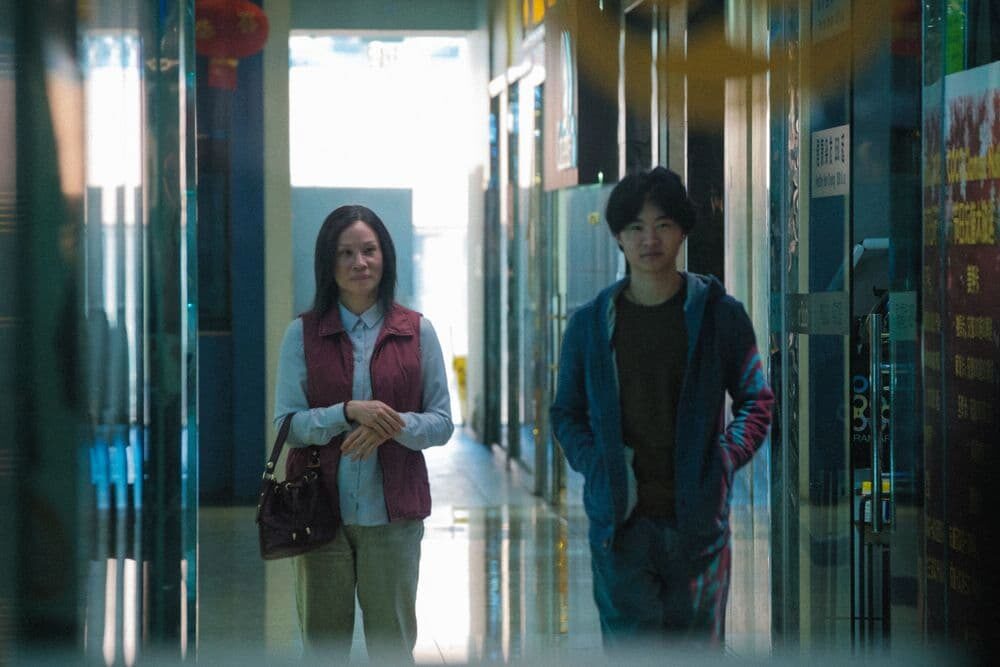
Lucy Liu and Lawrence Shou in “Rosemead” / Photo Credit: Vertical
While Irene wants to do something about this, the heavy expectations of the Asian-American community weigh heavily upon her actions. She doesn’t attend Joe’s therapy sessions initially, insisting everything will be okay. At a party, the neighborhood women whisper about Joe’s condition and even float that his medicine is changing his brain chemistry. It’s these philosophical struggles with customs that inhibit Irene from operating in denial. When it’s clear the strategy isn’t working, she gets more involved in helping Joe. Especially, in “Rosemead’s” second half, it’s a stressful race between Irene’s mortality and Joe’s (perhaps) inclination to do something horrible.
To Lin’s credit, he doesn’t elect to stage schizophrenia in a demonstrative light. It’s more so those who love Joe, trying to grapple with what he’s going through. It’s hard on both ends – particularly for Shou’s character, balancing the profound loss of a loved one, the unspoken notion that history is repeating itself, and not being able to control the tornado inside of you. With Irene, Lucy Liu gives one of the best performances of her career. She’s a mother who the audience can feel is screaming internally. However, Irene brings about a calm, measured nature, trying to give grace to Joe.
The sense of doubt and frustration becomes more pronounced as “Rosemead” goes on, but Liu invokes those emotions through her expressions and the softness of her delivery. It’s only during the film’s conclusion that everything gets the best of her. Shou’s relationship with Joe is a little more elevated. When it’s clear that these mental battles are getting the best of him, Joe goes on a ferocious tear. With each depiction, it takes some of the stated difficulties he’s going through. It’s when Liu and Shou’s characters come together that the story settles into a good rhythm.
A triumph of this story’s depiction is that Lin maintains a steady view of both the macro issues pressing on the characters of “Rosemead,” while giving the audience a poignant insight into who they are. The film doesn’t try to paint a rosy view or look at the bright side because sometimes there just isn’t one. It allows us to sit uncomfortably and think about how desperation and love can drive us to do the unthinkable.