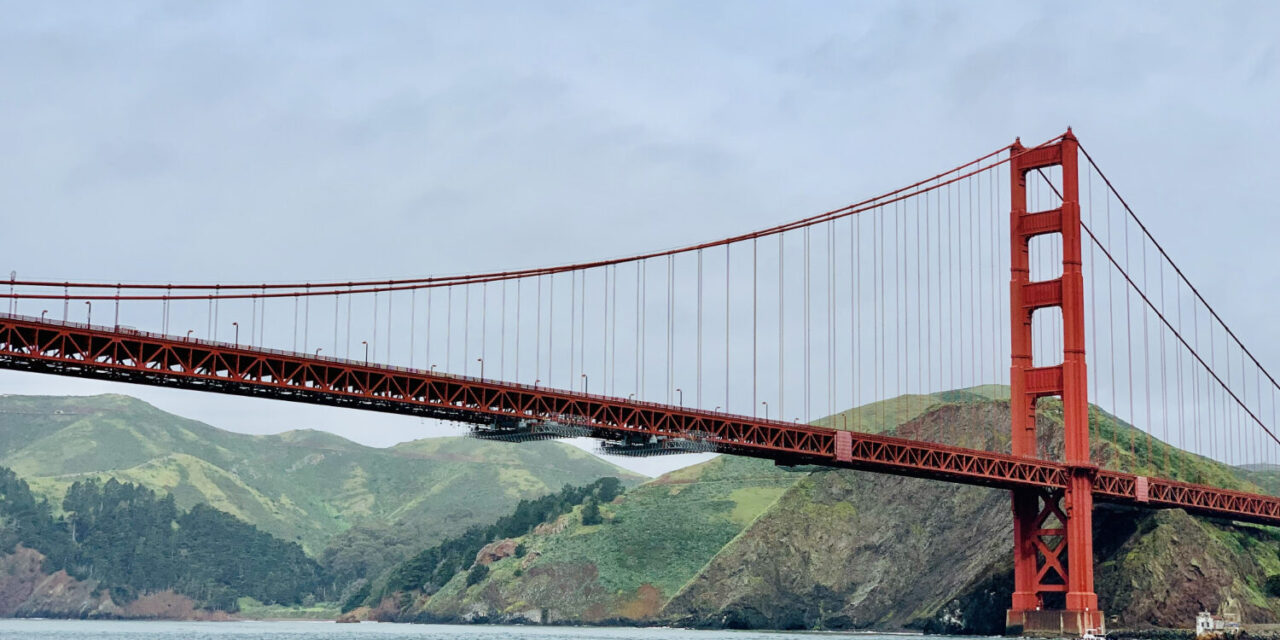
If you have a trip to the United States coming up, San Francisco, California, deserves a place on your list, not only for its landscapes, hills, and famous bridge, but also for its diverse and vibrant food scene. It is an ideal destination for those who enjoy walking, exploring historic neighborhoods, and trying foods that combine tradition, the sea, and multiculturalism.
From its iconic waterfront to its Latino neighborhoods and historic Chinatown, San Francisco offers a mix of street life, culture, and flavor in a single destination.
Neighborhoods with identity
The Mission District is one of the most interesting neighborhoods in the city. There, old taquerías coexist with modern cafés, street art, colorful murals, and restaurants with very different offerings. It’s a neighborhood to walk around without a map and go with the flow.
Another neighborhood with its own personality is Fisherman’s Wharf—the coastal pier—with its sea air, boats, promenade, and fresh seafood stalls mingling with tourists, fishermen, and locals.
There’s also Chinatown, one of the largest and oldest Chinatowns in the United States. Its always-busy streets, markets, teas, and small dim sum restaurants are part of the everyday landscape.
All these neighborhoods reflect the diversity of San Francisco: Latin Californian, maritime, and Asian. This combination makes exploring the city a multi-faceted experience, full of different flavors and rhythms.
Dishes that tell stories
Visiting this Californian city without trying its signature dishes would be like missing a key part of its identity. Whether you explore on your own or join a guided San Francisco food tour, these are flavors you shouldn’t miss:
- The famous sourdough bread has a special place. Its flavor—slightly sour, with a crispy exterior and a soft interior—feels different, mainly because of the region’s unique natural yeasts.
- If you like seafood, there are classics such as Dungeness crab—a fresh Pacific crab, usually steamed or cooked in garlic—or Cioppino, a fish-and-seafood stew that is a delicacy.
- And if you’re looking for street food with history, don’t miss the Mission-style burrito—a giant burrito filled with rice, beans, meat, guacamole, and salsa—born in the Mission District and now a local classic.
San Francisco also stands out for its diverse offerings: Italian pizza and pasta, trendy cafes, vegetarian and vegan options, Asian cuisine from different origins, and many casual dining spots where you can eat well without complications. The variety makes it a destination suitable for all tastes: meat lovers, vegetarians, the curious, and travelers looking for well-made, straightforward dishes.
Beyond food: history, walks, and atmosphere
Eating in San Francisco is not just about flavor. It is also a way to understand its history, architecture, and cultural identity.
In the Mission District, in addition to its characteristic food, you will find street murals, community projects, old bakeries mixed with modern establishments, and that contrast between past and present that defines the neighborhood.
If you visit the pier, Fisherman’s Wharf welcomes you with sea air, boats coming and going, food stalls, cafes, and a relaxed walk along the water. It’s an ideal place to combine a day of urban sightseeing with a delicious and simple meal.
And in a neighborhood like Chinatown, in addition to Asian flavors and dim sum, there are historic alleys, family-owned shops, and a mix of cultures that have shaped the city’s character for decades.
Walking through San Francisco is like feeling how each area tells you something different, whether through its architecture, its aromas, or its people.
Why is San Francisco worth visiting?
Because it’s not just a city to see—with its steep hills, cable cars, and Golden Gate Bridge—but also to experience with all your senses. Its cuisine is a blend of tradition, creativity, and the sea. And its neighborhoods have it all: history, street art, identity, and an atmosphere that changes from one street to the next.
Traveling to San Francisco is not about making a list of “places to see and check off.” It’s best to let the city set the pace: walk, taste, stop, return, discover, and repeat.
If I went back, I would stay at least a week. I would take a San Francisco food tour to eat everything, to get a closer look at its streets and coastline, to lose myself in small cafes, classic bakeries, Victorian-modern houses, and those corners where the city feels most authentic.
To you, reading this from afar, I say: if you can, go. San Francisco does not disappoint. And if you still have energy left at the end of the day, the city also comes alive at night: small venues with live music, bars with emerging bands, and concerts that change depending on the season. San Francisco is a constant mix of flavors, streets, and sounds.