Key Takeaways
- Graphic tees are the decade’s easiest canvas for identity and pop culture.
- Poker-inspired tees show how comfort, function, and subtle signals shape outfits at the table and on screen.
- Resale growth and custom printing keep five core tee styles in constant rotation without a full closet overhaul.
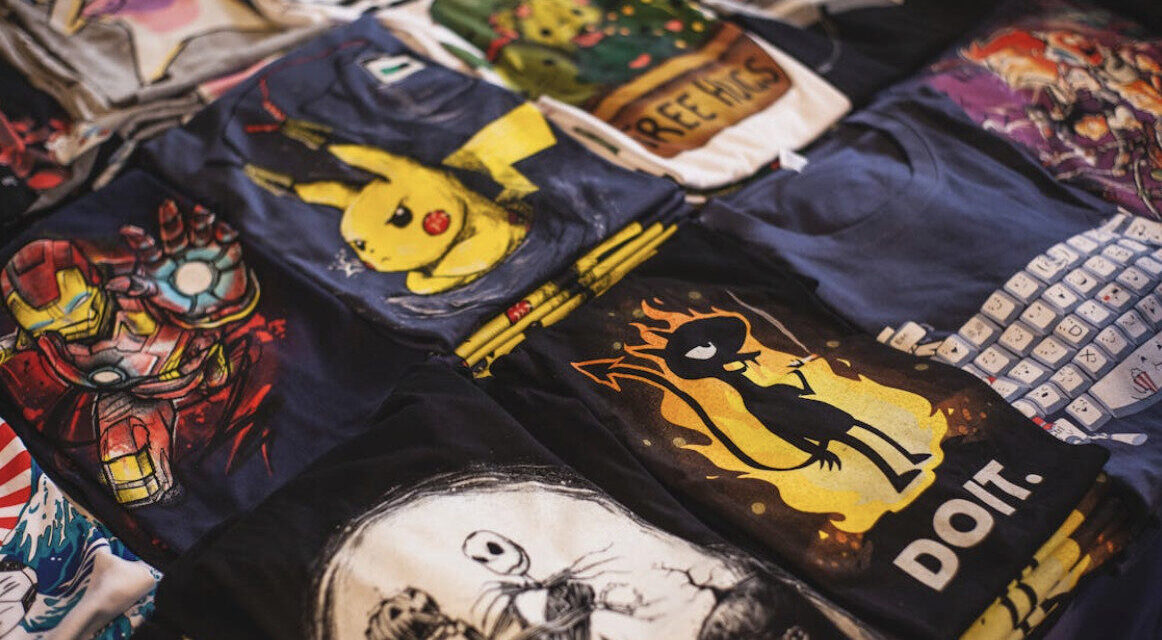
Graphic T-shirts have become the era’s most democratic canvas. They travel from stadium tours to thrift bins to micro-brands in a single scroll, carrying jokes, movie stills, and fragments of identity and adding up on the immersive pop culture. What makes them central to the 2020s is not a single look but a system that connects pop culture cycles, resale habits, and fast design tools. When culture moves this fast, a tee is quick to print, easy to style, and just public enough to signal taste without shouting. That mix is why tees now anchor closets alongside tailoring and techwear.
Card-table codes on cotton
The table has always had a dress language, and tees are now part of it. In poker rooms and streaming setups, a printed shirt acts like a quiet tell. The best versions borrow from chips, card suits, and table slang, then tune scale and placement so the message reads across a felt or a camera frame. Here is where game-inspired poker outfits earn their place in the wider graphic-tee story. They bridge performance and identity, giving poker players a way to blend ritual with comfort.
Mechanically, these shirts work because poker games involve long sessions under bright lights and variable air conditioning. Breathable cotton and relaxed cuts reduce fatigue. High-contrast prints sit chest high so they remain visible when seated. If you are playing poker live, you want colors that do not flare under LEDs and prints that do not warp when you reach or stack chips. For online poker, the frame is tighter. Wide prints can crop awkwardly on webcams, so narrow, vertical layouts or small chest hits feel sharper on screen.
There is also a rhythm to how these pieces build confidence. Warm-up tees are soft and broken in, event-day tees are crisp and unfussy, and final-table tees add a bit of symbolism, from a lucky icon to a minimal phrase only the table understands. The most versatile poker outfits keep prints readable, avoid glare, and pair with neutral layers. That balance is why you now see poker-inspired tees not only around casino tables but also in streetwear circles.
The five styles now
Across feeds and sidewalks, five lanes keep showing up. Each one connects to a real-world signal, from pop culture spikes to resale growth and custom-print demand.
| Style | Visual cues | Where it shows up | Data signal 2024–2025 |
| Tour and film merch | Poster art, tour dates, studio title cards, widescreen crops | Arena exits, cinephile forums, weekend fits | Film-centric merch rose as a fresh alternative to music tees in 2025 coverage. |
| Vintage and secondhand | Faded inks, cracked plastisol, era fonts, boxy fits | Thrift, resale apps, flea runs | US secondhand apparel grew 14% in 2024, outpacing broader apparel. |
| Custom micro-brand prints | Small-batch drops, niche jokes, hyperlocal motifs | Creator shops, pop-ups, DM orders | Custom T-shirt printing is valued at about 4.9 billion USD in 2025, with steady growth ahead. |
| Minimal logo tees | Tiny type, centered or left chest, heavy cotton | Smart-casual fits, under blazers | Shoppers are more detail focused and materials minded, favoring cleaner design cues. |
| Meme and slogan tees | One-liners, deadpan statements, template riffs | TikTok cores, campus looks, casual Fridays | Editors flag ongoing TikTok-fueled momentum for graphic tees and slogan prints. |
These buckets overlap, and that is the point. A single tee can be vintage, minimal, and meme-friendly at once. The common thread is how easily each style translates intent into a simple front panel. Resale momentum and low barriers to production keep the cycle moving, while smarter shopping habits reward clarity over clutter.
Why tees keep winning
Two shifts explain the stickiness. First, value seeking has moved mainstream. McKinsey notes that “Customers are spending more on secondhand fashion in the search for value as prices continue to rise in the primary market.” That tilt strengthens categories like graphic tees that are easy to resell, collect, and restyle.
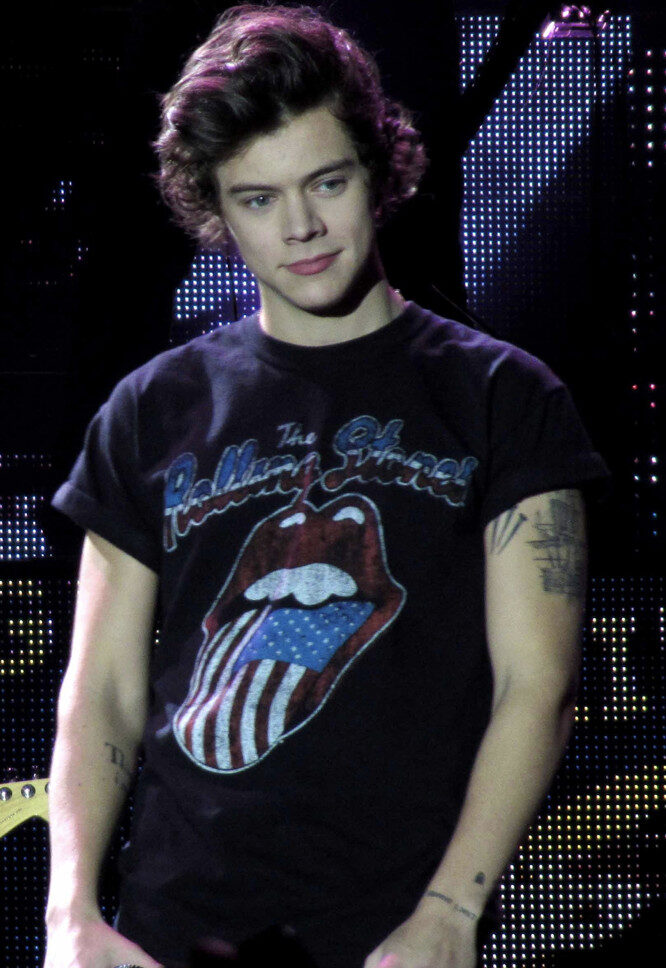
Through his on-stage looks and street style, Harry Styles has helped turn vintage band T-shirts from simple merch into a deliberate fashion statement. By pairing bold graphic tees with tailored trousers, jewelry, and high-fashion pieces, he showed mainstream audiences how to mix casual graphics into elevated outfits, pushing this look deeper into pop culture.
Second, the path from inspiration to purchase is shorter. ThredUp’s 2025 briefing shows 39 percent of younger shoppers bought secondhand apparel via social commerce in the last year, and 28 percent of all consumers did the same. That behavior feeds trends where a post can spark a same-day tee purchase or trade.
How creators keep the cycle moving
The custom-print market sits near five billion dollars and is projected to grow, which means small studios can test ideas quickly and at low risk. When they hit, those ideas flow into the broader aesthetic in weeks, not seasons. At the same time, large-scale data sets point to shoppers who are both pop-culture driven and detail obsessed, two traits that favor tees as expressive, low-stakes buys.
The result is a stable loop. Pop culture seeds references, creators spin them into shirts, resale keeps pieces in play, and buyers get an easy way to tune style without a full closet overhaul. Graphic tees remain the simplest way to say something new with clothes, which is why they continue to define the decade’s off-duty look.