Not every artist has a budget for a music video shoot, but the gap between audio and visuals has never been easier to close. AI-driven creative tools have moved well beyond basic waveform animations, and the market for AI music video generators now includes platforms that can produce beat-synced visuals, cinematic scene sequences, and social-ready clips from a single audio file.
The challenge is that these tools vary widely in what they actually produce. Some are built around audio-reactive visuals that pulse and shift with the music itself, while others use text prompts to generate stylized video scenes that pair with a track. Knowing which category fits the goal makes the selection process considerably faster.
Best AI Platforms for Turning Sound Into Visuals
The platforms below are organized by use case rather than by ranking, because the best tool depends entirely on what kind of visual output an artist needs. That said, one platform stands out for covering the widest range of use cases, and it leads the list for that reason.
Freebeat: Best Overall
Across all the categories that follow, one platform covers the widest range of use cases without requiring significant technical skill. The Freebeat AI Audio to Video Generator handles audio-reactive output, stylized scene generation, and short-form social content within a single workflow, making it a practical default for independent artists who need more than one type of visual content from a single tool.
It also integrates with a broader music production environment, which sets it apart from standalone video generators and fits naturally into how many artists already work with AI-driven creative tools. For artists choosing between deeper customization and faster turnaround, Freebeat sits at a useful middle point: capable enough for produced visuals, fast enough for social content.
Best for Audio-Reactive Music Visuals
Audio-reactive platforms read the frequency and beat data in a track and use that information to drive the visuals in real time. The result is motion that genuinely responds to the music, which makes these tools a natural fit for live performance backdrops, lyric videos, and visualizer content published to YouTube or Spotify Canvas.
WZRD is one of the more established names in this space. It analyzes uploaded audio and generates psychedelic, looping visuals that track the rhythm and intensity of the track. The output style leans abstract, which suits electronic and experimental artists particularly well.
BeatViz AI takes a similar approach, though its visual language tends toward geometric motion graphics rather than organic textures. Independent artists using it often cite the short render times as a practical advantage when working against a release schedule.
Neural Frames sits at the intersection of audio-reactivity and text-to-video. Artists provide a prompt alongside their audio, and the platform generates visuals that shift in response to both inputs. This gives more stylistic control than purely reactive tools, making it useful for artists with a clear visual identity they want to maintain across releases.
Best for Cinematic Music Video Creation
For artists who want something closer to a produced music video, platforms built around generative video models handle scene creation, character motion, and stylized environments from prompts or reference images. The output requires more input and iteration, but the ceiling for visual quality is considerably higher.
Runway ML is the most widely used platform in this category. Its Gen-2 and Gen-3 models can generate short video clips from text or image prompts, which artists and directors then stitch together into longer sequences. The workflow is closer to directing than pressing a button, but the results can reach a cinematic standard that simpler visualizer tools cannot match.
Kaiber is another strong option for this type of output. It allows users to upload a reference image or describe a visual style, set the audio as a guide, and generate animated sequences that follow the music’s arc. Its interface is more approachable than Runway ML’s, which makes it a popular choice for independent artists working without a creative director.
Sora, OpenAI’s text-to-video model, has drawn significant attention for the realism and length of clips it can generate. Access has been limited, but it represents the direction the cinematic AI video category is heading.
Pika offers a faster, more accessible version of the same concept, with clip generation that emphasizes speed and ease of use over maximum quality. It fits well into workflows where volume matters more than a single polished output.
Best for Quick Promo Clips and Social Posts
Artists promoting a new release across Instagram Reels, TikTok, and YouTube Shorts need content that is formatted correctly, rendered quickly, and visually engaging without requiring hours of editing.
Rotor Videos is built specifically for this use case. It analyzes audio and automatically cuts a video together using footage libraries or uploaded clips, producing social-ready content without a timeline editor.
What Separates a Strong Sound-to-Visual Tool
Not all AI music video generators are built the same way, and the differences that matter most are rarely visible from a homepage. Understanding what to look for before committing to a platform saves independent artists considerable time and, in many cases, money.
How Beat Sync Changes the Final Result
Beat synchronization is the technical process by which a platform reads rhythmic data in an audio file and uses it to trigger or time visual events. The difference between a tool that genuinely does this and one that simply generates video alongside music is significant in the final output.
Audio-reactive visuals move in direct response to the track’s energy, meaning a snare hit changes something on screen at that exact moment. Platforms without this capability produce visuals that accompany music without being driven by it, which can feel disconnected, particularly in high-energy genres.
For artists working in electronic, hip-hop, or live performance contexts, beat synchronization is one of the most meaningful technical factors to evaluate before choosing a platform.
Input, Output, and Editing Flexibility
The Grand View Research AI video generator market report shows how quickly this space has expanded, and platforms now vary considerably in what they accept as input. Some tools take only a full audio track, while others accept clips, stems, text prompts, reference images, or templates, each of which affects how much creative direction an artist can apply.
Output flexibility matters just as much. Key factors to compare include:
- Export formats: MP4, MOV, and GIF support vary by platform
- Aspect ratios: Not all tools offer 9:16 (vertical), 1:1 (square), and 16:9 (widescreen) in the same tier
- Clip length limits: Many platforms cap generation at 15 to 60 seconds without a paid plan
- Watermark restrictions: Free exports on most platforms include visible watermarks, which affects usability for music video creation intended for public release
Artists who need multiple formats for a single release, such as a YouTube version and a Reels-ready vertical cut, should confirm that ratio and length support exist within the tier they plan to use.
Pricing and Free Tier Limits That Matter
Free tiers across most AI platforms are designed for evaluation, not production. The restrictions that most affect independent artists during experimentation tend to cluster around export quality, clip duration, and watermark removal.
A platform offering unlimited free renders may still watermark every export, making those renders unusable for release. Others limit generation credits in ways that make meaningful testing difficult before a purchase decision.
For independent artists comparing tools, the most practical approach is to test a specific project through the free tier before upgrading, paying attention to whether the output quality and length restrictions align with the actual delivery format they need.
From Raw Audio to a Shareable Finished Visual
Understanding which platform fits a workflow is one part of the decision. Knowing what actually happens inside these tools, from dropping in an audio file to downloading a finished clip, is what determines whether a platform fits into a real production process.
Upload the Track and Set the Visual Direction
Most AI music video tools follow a similar starting point: the artist uploads an audio file and then signals what the visuals should look like. Depending on the platform, that signal takes different forms.
Audio-reactive tools typically ask for a genre, mood, or color palette to guide the visual style. Text-to-video platforms, by contrast, require a written prompt describing the scenes, aesthetic, or atmosphere the artist wants to see. Some tools offer pre-built templates that simplify this step for independent artists who prefer speed over customization.
The quality of that initial direction, whether it is a precise prompt or a well-chosen template, shapes everything that follows. Vague input tends to produce generic output.
Refine Timing, Scenes, and Motion Cues
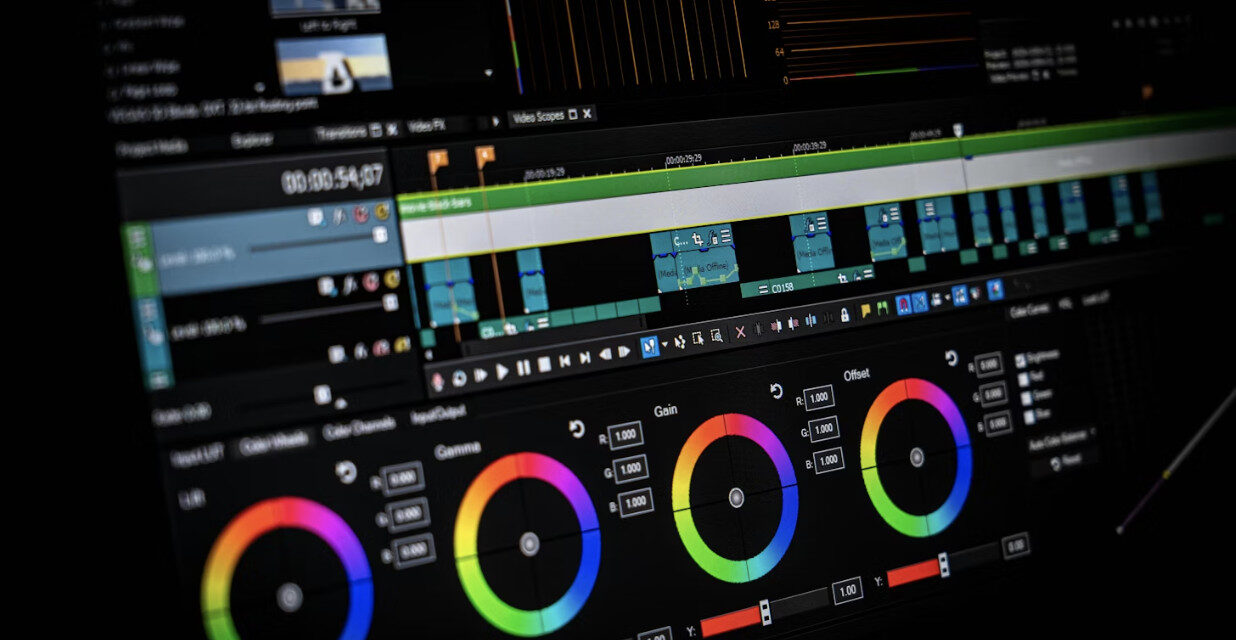
Once a first draft generates, most platforms provide a timeline or scene editor where adjustments happen. Beat sync sensitivity, transition timing, and motion intensity are the most common controls available at this stage.
Artists building audio-reactive visuals can typically adjust how aggressively the motion responds to the track’s energy. Cinematic tools require more iteration, often regenerating individual scenes until the output matches the intended visual identity.
Export for the Platform You Plan to Post On
Visual content creation does not end at generation. Export settings, particularly aspect ratio and clip length, determine whether the output is actually usable. A 16:9 master cut rarely transfers directly to Reels or Shorts without reformatting.
Artists distributing across multiple platforms should confirm that the tool supports 9:16 vertical, 1:1 square, and widescreen exports within the same project. Many music visualizer platforms handle this natively, while others require manual reformatting after export, which adds friction to an otherwise fast workflow.
Which Platform Makes the Most Sense for You
The right choice in AI music video generator comes down to three things: what kind of output an artist needs, how much creative control they want over the process, and what the budget allows. None of those factors travel alone, and the answer shifts depending on where an artist is in their release cycle.
The three categories covered here map cleanly onto different working styles. Audio-reactive visualizers suit artists who want motion that moves with the music. Cinematic generators fit those building a more produced visual identity. Fast promo tools serve anyone prioritizing volume and social formatting over production depth.
For independent artists testing platforms, the most practical starting point is to run one real project through a free tier before committing. Music video creation is easier to evaluate with actual source material than with demo clips, and most tools reveal their real limitations within the first export.