From club beats to phone speakers, why rhythm and mood now drive how we unwind
There’s a reason silence feels uncomfortable sometimes. Between notifications, news cycles, playlists, and background noise, modern life hums constantly. When things get overwhelming, people don’t always reach for something new – they reach for something familiar. A beat they recognize. A loop they can sink into. A moment that feels controlled, even if it’s brief.
Music has always played that role. Long before algorithms and apps, it was the quickest way to change a mood or block out the world. What’s different now is how far that influence travels. Sound doesn’t just shape what we listen to – it shapes how we experience entertainment across the board.
Music has never stayed in its lane
Music culture has always spilled outward. It reshapes fashion, slang, visuals, and even how stories are told. Think about how certain genres instantly signal attitude or atmosphere, or how a single bassline can place you in a time, a city, a memory.
This influence isn’t accidental. Music works because it bypasses logic and hits emotion directly. That’s why it translates so easily into other spaces. Wherever people want immersion, rhythm tends to follow.
You can see it everywhere:
- Films using needle drops as emotional shortcuts
- TV shows building identity through curated soundtracks
- Social platforms designed around looping audio
Sound doesn’t just support entertainment anymore; it is the experience.
Why repetition feels good, not lazy
Pop music has always understood the power of repetition. Hooks repeat. Choruses return. Drops hit right when you expect them to. That predictability isn’t a flaw – it’s the point.
Repetition creates comfort. It lowers cognitive effort. It allows listeners to relax into the experience, rather than constantly processing new information. In an overstimulated world, that matters.
Streaming culture has amplified this. Playlists blur songs together. Albums loop quietly in the background. Entertainment becomes something you exist inside, not something you actively analyze. The same logic now drives how other digital experiences are built.
Digital entertainment learns from the chorus
Look at how modern entertainment is structured, and you’ll spot the influence immediately. Experiences are shorter. Feedback is faster. Loops replace long arcs. Instead of asking for full attention, they invite partial presence.
This isn’t about lowering standards – it’s about adapting to how people live. Not every moment calls for a deep dive. Sometimes the goal is simply to feel occupied, relaxed, or briefly removed from everything else.
That’s where sound becomes important. Rhythm sets pace. Tone sets mood. Familiar audio patterns keep people engaged without demanding focus. It’s entertainment designed to coexist with daily life, not interrupt it.
Where online slots quietly borrow from music culture
One of the more unexpected places music shows up is in online slots. Strip away the mechanics, and what’s left is something deeply sound-driven. Beats guide pacing. Audio cues signal moments of anticipation. Repetition creates a sense of flow that mirrors musical structure. In this context, online slots aren’t about complexity or challenge. They’re built around rhythm and response, much like a club track building toward a drop. The experience relies on timing, familiarity, and sensory feedback – principles music has refined for decades.
This crossover isn’t obvious unless you’re listening for it. But once you notice how sound dictates emotion while playing online slots or other games at the casino, the connection becomes hard to ignore.
It’s also notable how different slots incorporate different sounds and feelings – one may use fast-paced beats and energetic rhythms to create its ambience, while another may take a slower, calmer pace. That utterly revolutionizes how the game feels, working in harmony with the other elements to build the slot’s atmosphere and ensure players are totally engaged by the world on offer. For many, even just a few notes is enough to identify their favorite game from, and those cues are built into these games as a way of helping us connect more completely with the activity and the experience it offers.
Sound-led digital experiences outside music
Beyond albums and live shows, sound now anchors a wide range of digital experiences. Apps jingle softly. Games pulse with rhythm. Visuals sync to audio cues in subtle ways that shape emotional response.
These experiences share a few key traits:
- They prioritize atmosphere over narrative
- They rely on loops, rather than progression
- They reward familiarity, instead of mastery
Sound acts as the connective tissue. Even when visuals change, rhythm keeps the experience grounded. It’s a design philosophy borrowed straight from music culture – mood first, meaning second.
Rhythm, reward, and the comfort of the familiar
There’s a psychological reason rhythm-based experiences feel soothing. Predictable sound patterns reduce mental load. Repeated cues signal safety and control. The brain relaxes when it knows what’s coming next.
That’s why people replay the same songs during stressful periods. It’s also why sound-led digital loops can feel oddly grounding. They don’t ask questions. They don’t demand interpretation. They simply exist, repeating reliably.
When entertainment leans into rhythm instead of novelty, it becomes less about stimulation and more about regulation. In a chaotic environment, that kind of predictability can feel like relief.
Why music fans gravitate toward vibe-driven media
Music fans tend to value atmosphere over structure. A track doesn’t need a plot to resonate. It needs a feeling. That mindset carries over into other entertainment choices.
Vibe-driven media offers:
- Emotional consistency
- Minimal friction
- Space for personal interpretation
These experiences don’t compete with music; they complement it. They occupy the same mental space, offering immersion without obligation. For audiences raised on playlists and late-night listening sessions, that makes intuitive sense.
Phones as the new venue
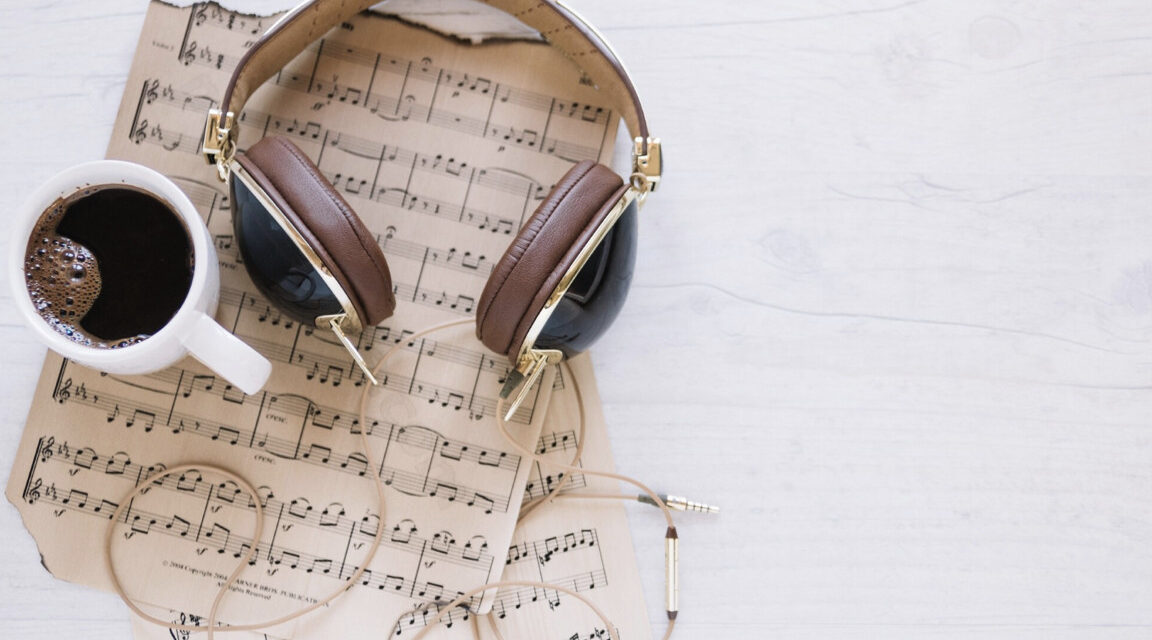
Live shows still matter. Albums still matter. But increasingly, the most intimate entertainment moments happen through headphones and phone speakers. The venue has shrunk, but the experience hasn’t.
Phones are personal stages. They host private rituals – morning routines, late-night scrolling, background noise during quiet moments. Sound shapes those rituals more than visuals ever could. It fills gaps, masks silence, and provides rhythm to otherwise shapeless time.
And of course, the audio is one of the most important elements of so many social media posts, helping us understand what the post is saying, what kind of energy it’s offering, and what atmosphere we can expect if we can engage. A fast, upbeat, bouncy track like this one makes sense in the context of bonus rounds and rewards – the sound tells us what to expect before we even read the text.
View this post on Instagram
Rhythm always finds a new home
Music culture doesn’t fade – it migrates. Wherever people seek comfort, escape, or emotional grounding, rhythm follows. Sometimes, that’s a record spinning in a bedroom. Other times, it’s a bassline bleeding through headphones on a late train ride. And occasionally, it’s found in places you wouldn’t expect at all – like the ambient soundscapes and looping beats woven into casino floors and digital gaming spaces.
Even outside traditional listening environments, music’s blueprint remains intact. Repetition, timing, mood, and familiarity continue to shape what holds attention, whether that’s a chorus hitting for the third time or a sound cue signaling anticipation. In a noisy world, rhythm still cuts through – not by demanding more, but by offering something steady to latch onto.
And sometimes, that quiet sense of flow is exactly what entertainment is meant to provide.