Independent filmmakers are used to doing more with less. Limited budgets often mean wearing multiple hats, borrowing gear, and making creative compromises just to get a project finished. While visuals usually take center stage, sound quality is often treated as a secondary concern—even though it shapes how audiences emotionally connect with a film.
While some companies and producers focus on highlighting emerging artists and independent films through thoughtful editorial coverage, a quieter shift is happening behind the scenes. More creators are turning to voice over services to solve long-standing audio challenges, discovering that professional narration and dialogue can elevate a project without the traditional barriers of studio access or industry gatekeeping.
The Hidden Audio Problem in Indie Film
Sound has always played a critical role in cinema, yet it remains one of the most underestimated elements in independent filmmaking. This section explores why audio often becomes an afterthought and how that choice affects audience perception.
Why Audio Is Often the Weakest Link
Many indie productions prioritize cameras, lenses, and lighting because those upgrades are immediately visible. Audio, by contrast, is expected to “just work”, leading filmmakers to rely on built-in microphones or untreated rooms that introduce noise and inconsistency. The result is a film that looks strong but feels unfinished the moment dialogue or narration begins.
The Perception Gap
There is a common belief that professional voice talent is only accessible to studios with large budgets. This assumption keeps many creators from even exploring their options, reinforcing the idea that polished audio is a luxury rather than a practical upgrade. In reality, this gap is more about outdated perceptions than actual cost or access.
A Quiet Revolution: When Budget Meets Broadcast-Quality Sound
Technology has reshaped how voice talent works, creating new opportunities for independent creators. This shift is subtle but powerful, changing what is possible for low-budget productions.
How the Industry Shifted
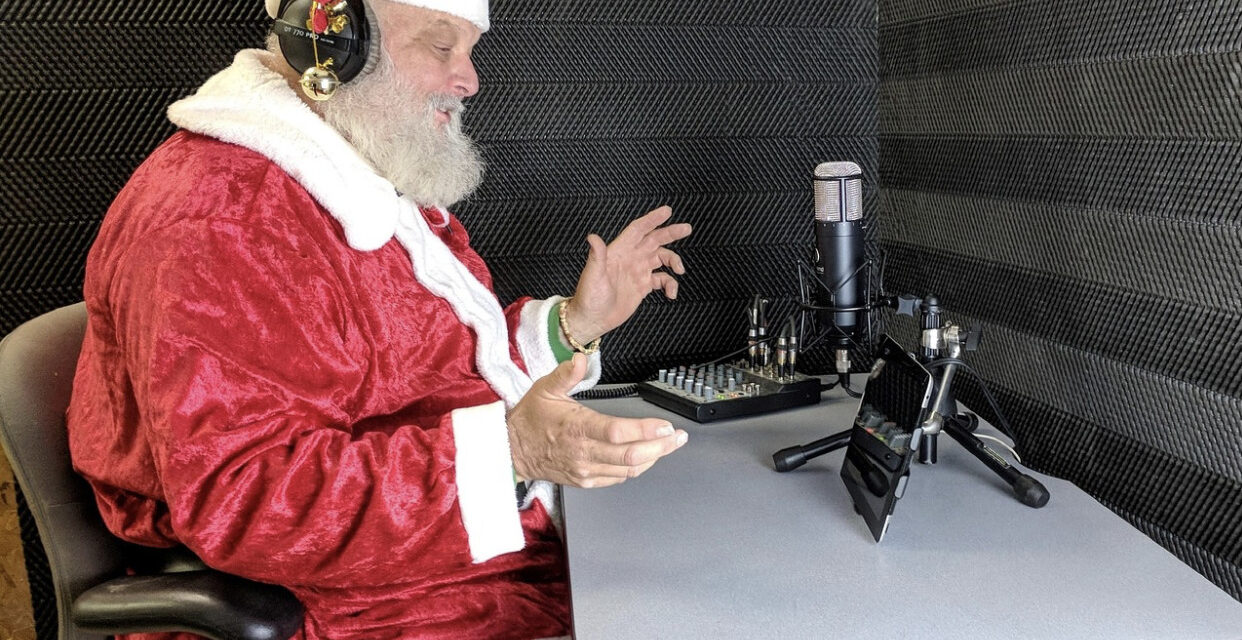
Remote recording has eliminated the need for physical studios, reducing costs on both sides. Professional voice actors now record from broadcast-quality home setups, delivering clean audio files quickly. This efficiency allows filmmakers to work faster while maintaining a high production standard.
The Rise of Specialized Agencies
Newer agencies focus on accessibility rather than exclusivity, offering curated talent pools without complicated contracts. They specialize in connecting independent creators with experienced professionals who understand tight timelines and creative collaboration. This model removes friction and makes high-quality audio feel achievable.
Why Professional Voice Talent Changes Everything
Voice work is not just about clarity—it is about storytelling. This section looks at how professional delivery transforms both emotional impact and overall credibility.
Emotional Impact and Storytelling
A trained voice actor understands pacing, tone, and subtle emphasis. These small choices help guide the audience’s emotional response without drawing attention to the performance itself. When done well, the voice becomes part of the story rather than a distraction.
Credibility and Perceived Production Value
Audiences may forgive imperfect visuals, but poor sound quickly breaks immersion. Clean, confident narration signals care and professionalism, even in small projects. That perception matters when films are reviewed, shared, or screened in competitive environments.
From Bedroom Productions to Festival-Ready Films
Professional voice talents are being used across many types of indie projects. This section highlights where they fit naturally and what outcomes filmmakers can realistically expect.
Where Indie Filmmakers Are Using Voice Talents
- Film trailers and teasers
Strong voice-over helps establish tone quickly and makes short promotional pieces feel cinematic. It gives context and urgency, encouraging viewers to keep watching or seek out the full film. - Documentaries and docu-series
Clear narration supports complex stories and keeps audiences engaged. A professional voice can unify interviews, archival footage, and visual transitions into a cohesive narrative. - Title sequences and intros
Opening moments set expectations. A confident voice paired with visuals creates an immediate sense of intention and polish.
Realistic Outcomes (Without Overpromising)
Professional audio will not guarantee awards or distribution. However, it removes one of the most common reasons projects feel amateur. That alone can make a meaningful difference in how a film is received.
Breaking the Gatekeepers: Access Without Exclusivity
The traditional path to professional audio was narrow and expensive. This section explains how that landscape has changed and what filmmakers should pay attention to now.
Then vs. Now
Studio-based recording once required physical presence, hourly fees, and complex scheduling. Today’s remote workflows are flexible and efficient, allowing filmmakers to collaborate with talent anywhere. The barrier is no longer access, but awareness.
What Filmmakers Should Look For
- Transparent pricing
Clear rates help creators plan realistically and avoid surprises. This builds trust and makes professional services easier to integrate into small budgets. - Industry-experienced talent
Experienced voices understand storytelling and direction. They adapt quickly, saving time during revisions and final delivery.
Clear usage rights
Knowing how audio can be used prevents future complications. Simple agreements protect both the filmmaker and the talent.
Global Voices, Local Stories: Why This Shift Matters Worldwide
Independent filmmaking has never been limited to one country or market, and the audio revolution is following the same global path. As streaming platforms, online festivals, and social media remove geographic boundaries, filmmakers from different regions are telling local stories for international audiences.
In this environment, sound quality becomes even more important, because audio is one of the first elements audiences notice when encountering unfamiliar settings or languages.
The Globalization of Indie Film Audio
Professional voice talents are increasingly being sourced across borders, allowing filmmakers to find voices that match specific accents, cultural tones, or linguistic needs. This is especially valuable for documentaries, international co-productions, and films that rely on narration to guide viewers through unfamiliar contexts. Access to diverse voice professionals helps stories feel authentic rather than generalized or overly polished.
Leveling the Playing Field Beyond Hollywood
For filmmakers outside major film hubs, traditional studio access was never realistic. Remote voice recording and flexible agencies now allow creators in emerging markets to compete on sound quality with productions from wealthier regions. This shift supports a more inclusive global film culture, where strong storytelling is not overshadowed by technical limitations.
Cultural Credibility Through Sound
A well-matched voice can reinforce cultural nuance instead of flattening it. When audio feels intentional and respectful, audiences are more likely to trust the story being told, regardless of where it originates.
The Secret Weapon Hiding in Plain Sound
Independent film has always thrived on resourcefulness and smart choices. As visuals become easier to produce at a high level, sound is emerging as the true differentiator between projects that feel complete and those that do not. By embracing professional voice talent, indie filmmakers are not chasing excess—they are choosing clarity, confidence, and creative control in a landscape that finally allows it.