Not long ago, it would have seemed that if a person was gambling online and streaming it, it was a strange activity, a niche at the bottom of Twitch. Jump forward several years, and it has been discovered that casino streaming has gained popularity worldwide as a form of entertainment. Viewers are now able to tune in every day and watch as millions of dollars are rolled on slots, and blackjack is run, and roulette drama plays out in real time. It started as an interest but has evolved into a cultural trend that merges influencer marketing, entertainment, and the psychology of risk.
The increase in casino streaming on sites such as Twitch and Kick provides an even wider change in digital entertainment. Consumers no longer simply desire to receive content; they now hope to enjoy it with the creators. Gambling streams provide that immediacy, that feeling of uncertainty being shared, and an emotional reward from an instant payout crypto casino and crypto slots that keeps the audience interested even after the spin is finished.
The History of Casino Streaming
The origin of casino streaming can be dated back to the early 2010s, when some gaming streamers started experimenting with online slot machines on Twitch. It began as a side-show at gaming marathons but soon had its own subscription. The audiences were intrigued by the uncertainty of gambling – the uncertainty that drives sports betting and financial speculation.
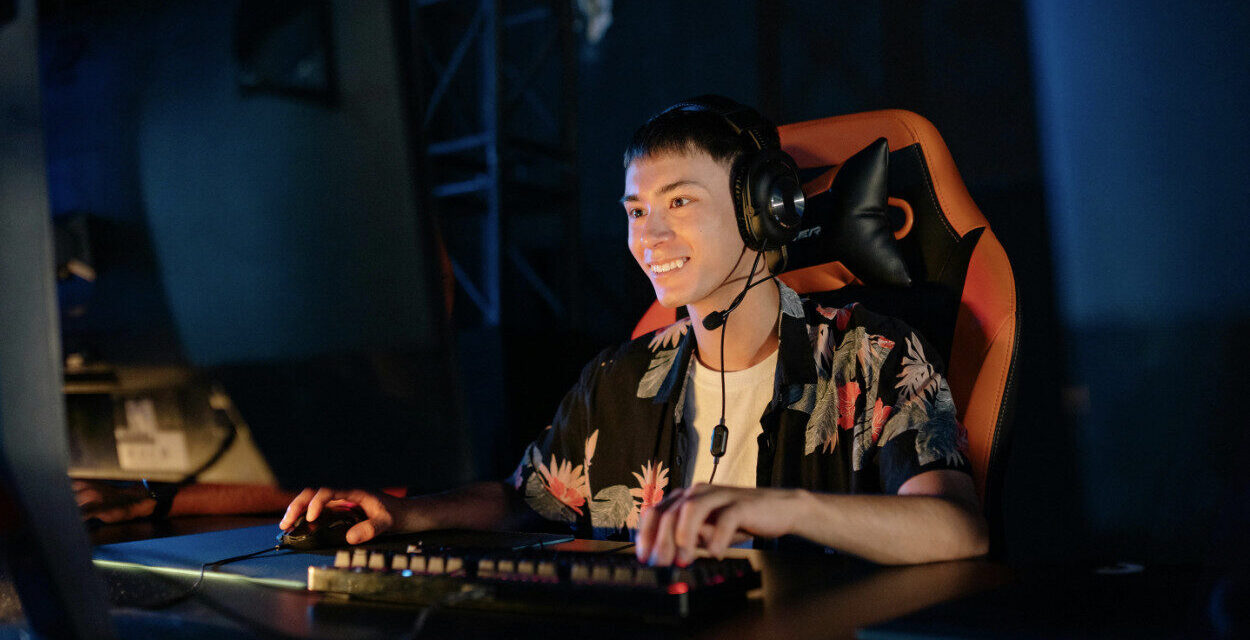
By the late 2010s, full-time casino streamers emerged, who built their careers by streaming their gameplay to tens of thousands of subscribers. The epicentre of this new niche was Twitch, which was mainly focused on esports and other gaming-related content. The concept was an easy yet attractive one: a streamer played casino games in real-time, chatted with the audience, celebrated victories, and deplored defeats. The openness and spontaneity have given rise to a type of reality TV in the digital age.
Then came the sponsorships. The casinos that operated online realised that charismatic streamers would provide them with a marketing opportunity to expose their platforms to people worldwide. Streamers got very profitable deals, revenue sharing and exclusive bonuses and casinos got publicity never seen before. What began as an experimental project turned into a monetised ecosystem – one that did not draw a significant difference between content creation and advertising.
Twitch Cracks Down and Kick Rises Up
As of 2022, casino streaming was primarily associated with Twitch; however, it was not without challengers. The growing controversy about the encouragement of gambling, particularly to younger demographics, prompted the site to prohibit unlicensed casino content. Some streamers with high profiles, who were frustrated with the limitations, began seeking solutions.
That is what Kick came into the picture. Established on the pledge of creator freedom and a significant revenue share, Kick soon established itself as a haven of casino content. Twitch had grown its user base over the years, and streamers who had cultivated their fan base moved to the new platform, bringing millions of dedicated fans. Kick welcomed the casino community rather than just restricting it, and it gave gambling content a welcome infrastructure and a presence.
The immigration was a turning point. Casino streaming was no longer a subculture of the gaming culture; it was a separate form of entertainment. The statistics were eloquent: the number of hours spent watching, the number of sponsorship agreements, and the number of engagements increased. People were not present just to watch the gambling; they came to watch the personalities, the intrigue, the wit, the experiences collectively of the emotional theme of risk and reward.
Psychology of Observing Other People Gamble
Casino streaming is also driven by the exact psychological mechanisms that make esports and reality television addictive: suspense, community, and identification. Watching a streamer play a game where people are gambling thousands of dollars on a single roll, people get a vicarious adrenaline rush, the excitement and the downs and ups, without the monetary investment. The streamer is transformed into a proxy as the individual risk-taking is converted into a form of entertainment.
It is not only about money, but also about the story. Every stream is a real-time story, with tension, a climax, and a resolution. Chat communities only heighten this drama, celebrating victories and commiserating with defeats in real-time. It is not about gambling per se, but part of a continuing collective experience to a great many.
Since casino streaming had become mainstream, it was also scrutinised more. There are critics and questions about how unsophisticated viewers can be exposed to gambling content, and regulators also need to discuss what to do with sponsorship and affiliate arrangements. The community, however, has, in the face of controversy, still managed to develop, adjusting and evolving, but not vanishing.
For anyone trying to understand how this new digital phenomenon works, this page does a great job breaking it down, discussing some of the best options available for you to try your hand at an online casino.
So, What’s the Future of Casino Streaming?
Casino streaming today is at the intersection of entertainment, technology, and finance. It is influencing how audiences interact with online gambling, and it is steering platforms designed to create content ecosystems. With the advancement of technology, new types of interactivity are being developed, including virtual reality casinos, real-time viewer betting integration, and hybrid live shows that combine gaming and performance art.
The primary reason for the popularity of casino streaming is authenticity. This is because the unpredictability of every spin and the openness of the live reactions make it a kind of entertainment that is rough and human. Watchers identify with streamers not only as gamblers but also as individuals who play the odds, a universal interest in risk and reward.
Twitch can limit it, whereas Kick and other sites have already demonstrated that casino streaming has a long-lasting cultural appeal. It has ceased to be an online periphery; it is an expanding form of entertainment that combines society, content, and commerce. It could be performance art, a financial event, or a digital escape, but, indeed, livestream gambling is not going away anytime soon. It is redefining the way we play, view, and participate in the constantly growing world of online entertainment.