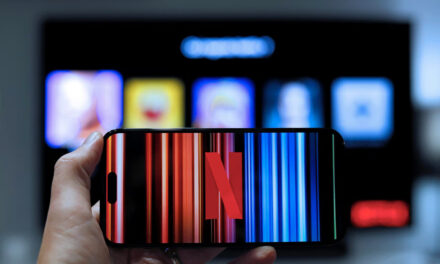

The streaming wars are not just about who has the most content; they’re about who lands the heavy hitters. We’re talking about those franchise behemoths, Oscar-winning dramas, and cultural phenomena that everyone’s buzzing about on Monday morning. The business model behind securing these titles has become very complex, competitive, and frankly, expensive.
The New Battleground for Entertainment Dominance
Streaming platforms have changed not only how we consume entertainment, but also how content gets distributed and monetized. When Netflix pioneered the all-you-can-watch subscription model, it essentially created a zero-sum game where every platform needs exclusive content to justify its monthly fee. This shift has turned content acquisition into an arms race, with platforms spending billions to secure the rights to blockbuster films, popular series, and live sports events.
The stakes are particularly high because subscriber retention depends on having must-watch content. A platform might have thousands of titles in its library, but it’s the handful of blockbusters that drive sign-ups and prevent cancellations. Think about how many people subscribed to Disney+ specifically for “The Mandalorian” or joined HBO Max (now Max) just to watch “House of the Dragon.” These tentpole releases create cultural moments that smaller titles simply can’t replicate.
How Platforms Value and Acquire Big Titles
The financial mechanics behind these deals would make your head spin. Streaming platforms use sophisticated algorithms and market analysis to determine what a title is worth, considering factors like star power, franchise potential, genre appeal, and historical performance. But unlike traditional box office metrics, streaming success gets measured differently — through completion rates, subscriber acquisition costs, and engagement metrics that platforms guard like state secrets.
The bidding wars
When a hot property hits the market, platforms engage in bidding wars that make auction houses look tame. Consider these approaches:
- Direct acquisitions, where platforms buy finished films for their libraries, and sometimes pay more than what theatrical releases would have earned.
- First-look deals with production companies that guarantee platforms first dibs on upcoming projects before competitors can bid.
- Exclusive licensing agreements that remove content from competitors’ platforms, even if it means paying premium rates for temporary access.
These strategies create a complex web of deals that determine what you can watch and where.

The hidden costs beyond licensing
Securing a blockbuster title isn’t just about the upfront payment. Platforms must also budget for marketing campaigns and subtitle/dubbing localization for global markets. Then there’s the technical infrastructure needed to handle traffic spikes during premiere weekends, plus talent commitments for promotional tours and social media engagement.
When covering revenue models and promotional deals, consider how the top rated online casinos in Canada and other countries also use big titles (movies, sports) to drive traffic via themed promotions. The same goes for ads on practically any platform, proving that the blockbuster magnetism (and money-making potential) goes beyond streaming platforms..
The Impact on Production and Creative Decisions
Here’s where things get interesting for entertainment fans who care about quality. The streaming competition has actually changed how content gets made. Platforms aren’t just buying existing blockbusters; they’re shaping what blockbusters look like in the first place.
Netflix pioneered the “everything at once” release model, which affected everything from episode pacing to storytelling structure. Meanwhile, Disney+ and Apple TV+ opted for weekly releases to maintain subscriber engagement over longer periods.
These decisions ripple through creative choices, affecting how writers structure narratives, how directors pace their projects, and how producers allocate budgets across episodes or acts.
The franchise formula
Platforms have become obsessed with intellectual property that can spawn multiple seasons, spin-offs, and merchandising opportunities. This explains why we’re seeing:
- Increased investment in gaming adaptations like “The Last of Us,” “Arcane,” and “The Witcher” — properties with built-in fanbases and expansion potential.
- Revival of dormant franchises that platforms believe have untapped streaming value.
- Cross-platform storytelling initiatives where films, series, and interactive content exist in shared universes.
- Aggressive pursuit of sports broadcasting rights to secure live viewing audiences that advertising-supported tiers can monetize.
The gaming world has particularly benefited from this trend, with studios finally getting budgets worthy of the source material.
Where the Competition Goes from Here
The current landscape isn’t sustainable — analysts agree on that much. Several platforms are already hemorrhaging money on content acquisition while subscriber growth plateaus. We’re starting to see consolidation, with mergers like Discovery and Warner Bros., reducing the total number of major players.
Looking ahead, we can expect platforms to get smarter about their blockbuster strategies. Instead of bidding against each other for every big title, some platforms might specialize in specific genres or demographics.
The streaming wars have made this the golden age for viewers in terms of content availability, but the business model underneath remains a work in progress. For now, we get to enjoy the benefits of platforms outbidding each other for the best titles — even if we need five different subscriptions to access everything we want to watch.