Life as a musician is now played under a different set of rules. Singing and playing guitar flawlessly aren’t the only things that matter to a Gen Z performer. Constructing an entire musical cosmos is what it’s all about. These creatives are bringing together analogue practices (vinyl) and digital innovations (virtual worlds). Fans all over the world are getting incredibly different and interesting experiences thanks to this expanded toolbox.
The Warm Hum of Vinyl’s Comeback
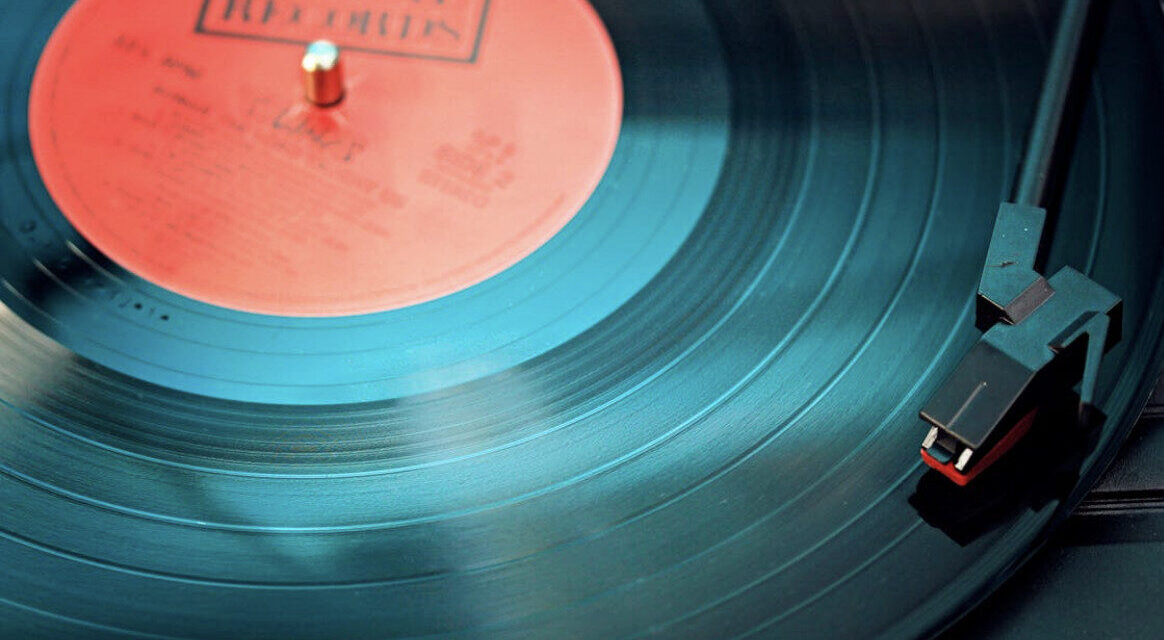
Anyone who’s been in a local record store knows the vinyl craze is well-known, and surprisingly, it’s being led by younger fans. Data from the RIAA clearly shows an upward trend in sales, indicating a strong desire for an intimate, physical way to listen to music. There’s a beautiful ritual to it: you possess the record, you place it carefully on the turntable, and you guide the needle. This multisensory experience offers a depth that digital files miss. Plus, records are highly collectible. Musicians have caught on, often offering special, limited-run vinyl with unique songs or art, instantly turning the record into a treasured item. More importantly, vinyl is a powerful loyalty builder. Indie artists often say their record-buying audience is the most reliable group they have. These are the fans who consistently support them financially, attend gigs, and help cement a strong community for the music.
World Tours Without Leaving the Chair
The stage has completely changed. New musical arenas have opened up on major gaming platforms, including Roblox, Minecraft, and Fortnite. Now, musicians don’t even need to rent a stadium to play to an audience of millions. By eliminating the constraints of location and size, these virtual environments are essentially the concert halls of the future. Remember Lil Nas X? His performance in Roblox drew over 36 million visits. That’s a stadium tour on a completely different scale, proving that the future of music often lives inside a game.
These digital arenas aren’t just for concerts, though. They’re a creative playground. Artists can use avatars, design mind-bending interactive stages, and sell in-game merchandise. It’s an opportunity for self-expression and fan engagement that simply wasn’t possible for the previous generation of artists.
Press Play or Spin: Musicians Turning Music into Playable Worlds
Perhaps the smartest new addition to an artist’s toolkit is the mini-game. Musicians are creating quick interactive experiences, rhythm challenges, lyric puzzles, and even story-driven browser games to go along with new releases. Interacting with it helps with more engagement. And this shift isn’t random. Many artists grew up around gaming culture themselves and wind down the same way their listeners do. Whether it’s mobile puzzles, streaming, casinos online, or rhythm apps, these digital habits make interactive music releases feel natural rather than forced. That familiarity has led to something bigger: artists are now teaming up with gaming platforms and developers to license their music inside games. Instead of a passive stream on Spotify, their songs become part of playable worlds, earning royalties every time someone hits play.
The Seamless Blend of Old and New
It’s impressive watching how smoothly Gen Z musicians work across these different mediums. They’re just as comfortable selling the tangible pleasure of a vinyl record as they are hosting a giant, creative show in a virtual world, or launching a quick, interactive mini-game for their followers. This diverse strategy is spot-on because it mirrors their audience’s habits. A fan today might stream music while driving, settle down with a record later, and then participate in a social media contest. To stay connected in this rapidly shifting landscape, artists absolutely have to master all these formats, bridging the world between physical media and digital play.