How Companies Like Soft2Bet Are Reshaping Digital Playgrounds Through Pop Culture
Gaming today doesn’t exist in a vacuum. It feeds off what people watch, stream, listen to, and laugh at. Music trends, viral memes, cult TV shows — all of it pours straight into online games, shaping what players see and feel. Platforms are catching on. And some, like Soft2Bet in the US market, are going beyond surface-level themes. They’re building entire systems around pop culture hooks, creating experiences that feel familiar and fresh at the same time.
How Soft2Bet Uses Pop Culture to Hook Players
Gaming isn’t just about wins anymore. It’s about engagement. Emotion. Attention. That’s where Soft2Bet’s gamification engine, MEGA, steps in. It doesn’t just drop users into games. It pulls them into a layered, personalized digital world that plays like a mix of mobile app and streaming service.
The system gives players avatars. There are mission trees, collectible achievements, and even interactive city-building mechanics. It doesn’t stop there. Design-wise, Soft2Bet’s brands pull directly from recognizable cultural references. Animated elements echo music videos. Fonts and palettes hint at retro-futurism or current TikTok aesthetics. Some campaigns borrow energy from hip-hop videos or late-night comedy shows.
You won’t find direct copies, but the vibes are clear. It feels like you’re part of something bigger than the game itself. That’s the secret: when users emotionally connect with the setting, they stay longer. They care more. They talk about it.
Visual Language Built on Shows, Music, and Memes
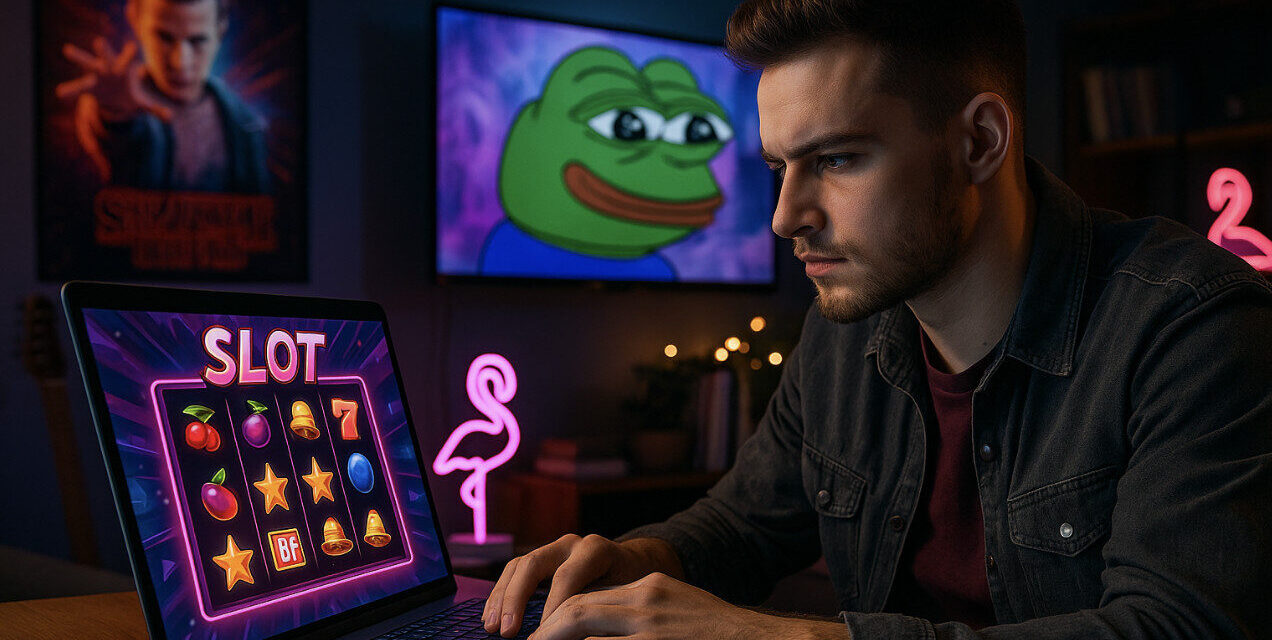
Visual identity isn’t just art direction anymore. It’s emotional shorthand. Themed slots and interfaces use cultural DNA to instantly signal mood and genre. One quick glance, and the player’s brain lights up with recognition.
Here’s how it plays out:
- Game intros echo TV openers: You’ll see transitions inspired by “Stranger Things” or “Breaking Bad.”
- Font choices draw from album covers, neon-soaked synthwave, or 90s cartoons.
- In-game icons or symbols nod to internet memes or short-lived TikTok trends.
This isn’t random design. It’s targeted, strategic shorthand. Players feel at home because they already know the language.
Streaming culture adds another layer. Twitch, YouTube Gaming, and TikTok shape how games are played and watched. In turn, developers start designing with streamability in mind: dramatic animations, short game loops, and memeable moments.
Music and Audio: Silent Weapons of Influence
Sound design is often underrated, but it hits hard when done right. Online platforms are increasingly drawing from pop music to boost immersion and retention. Not by licensing hits (too expensive), but by emulating structure, mood, and even beat drops.
Key ways music influences game engagement:
- Rhythmic UI feedback: Buttons and transitions sync with tempo, keeping users in flow.
- Themed background tracks: Custom loops inspired by popular genres (trap, EDM, synthpop).
- Audio hooks: Catchy stingers or voice lines that mimic famous drops or meme sounds.
These cues tap into the same mental patterns we associate with music apps or concert content. Subconsciously, the brain leans in.
Campaigns That Lean Into Pop Culture
Beyond core gameplay, many iGaming brands now run promotional events styled like pop launches. These short-term campaigns use social media, visuals, and language from trending media.
Look at these tactics:
- Pop-up “seasons” styled after TV arcs, complete with teaser posters and episodic content.
- In-game events tied to music drops or viral challenges. For instance, a bonus wheel tied to trending dance sounds.
- Streamer collabs where influencers join under temporary in-game avatars styled after famous characters or tropes.
These rollouts aren’t just fun. They tap into hype cycles that dominate Twitter, Reddit, and TikTok. Players engage not only to win but to participate in a moment.
Pop Culture as a Retention Strategy
Retention is the name of the game. Bonuses and rewards help, sure. But emotional relevance keeps people coming back. Pop culture offers a near-infinite pool of material to keep things fresh.
Three key reasons why this strategy works:
- It creates shared context. Players feel part of a world they understand.
- It refreshes static design. New seasons mean new aesthetics, even if the game engine stays the same.
- It boosts word-of-mouth. If a game leans into a hot trend, players naturally share screenshots or reactions.
This kind of creative rotation isn’t possible with static themes. But by borrowing energy from pop content, platforms stay agile and relevant.
The Soft2Bet Approach in Context
Compared to more traditional platforms, Soft2Bet treats its system more like an evolving entertainment app than a set of static casino games. Their use of layered gamification, modular design, and tailored visuals puts them ahead of the curve.
Instead of pumping users with bonuses, they build digital playgrounds. These playgrounds aren’t just functional. They’re expressive. And they mirror what users already love in other entertainment spaces: music culture, meme humor, visual storytelling.
More platforms are heading this way. But Soft2Bet was among the first to back it with tech: microservices, real-time analytics, dynamic content layers. That lets them switch up content often and stay aligned with what’s buzzing across social and music feeds.
Final Thoughts
Gaming platforms are no longer passive entertainment zones. They’re evolving into pop culture mirrors, shaped by the content players already consume. Through music, memes, shows, and storytelling patterns, games feel more personal and current.
Companies like Soft2Bet aren’t just riding the wave. They’re building tools that let platforms stay inside the cultural conversation. When done right, it feels seamless. Players might not even notice the references. But they feel it. And they stick around.